Smart Contracts 2026: Fortifying US Crypto Investments Against Evolving Threats

Smart Contracts 2026: Fortifying US Crypto Investments Against Evolving Threats
The world of cryptocurrency is a whirlwind of innovation, opportunity, and, inevitably, risk. As we hurtle towards 2026, the landscape of digital assets, particularly those underpinned by smart contracts, is poised for significant transformation. For US crypto investors, understanding these shifts and proactively implementing strategies to secure crypto investments is not merely advisable – it’s imperative. This comprehensive guide delves into the anticipated evolution of smart contracts, the new vulnerabilities that may emerge, and the robust measures necessary to safeguard your digital wealth in the coming years.
Smart contracts, self-executing agreements with the terms directly written into code, have revolutionized various industries, from finance to supply chain management. Their promise of transparency, immutability, and automation has attracted billions in investment. However, this very power also presents unique challenges. As the technology matures and adoption grows, so too do the sophistication and frequency of attacks. In 2026, the stakes will be higher than ever, demanding a proactive and informed approach to security.
The Evolving Landscape of Smart Contracts by 2026
By 2026, smart contracts will have moved beyond their foundational applications, integrating more deeply into mainstream financial systems and daily life. We can expect several key developments:
Cross-Chain Interoperability
The isolation of different blockchain networks has been a significant hurdle. By 2026, advanced cross-chain protocols and bridges will enable seamless interaction between various blockchains. While this unlocks immense potential for liquidity and functionality, it also introduces new attack vectors. A vulnerability in one bridge could potentially compromise assets across multiple chains, making cross-chain security paramount for anyone looking to secure crypto investments.
Enhanced Oracle Networks
Smart contracts often rely on external data feeds (oracles) to trigger actions. By 2026, oracle networks will be more decentralized, robust, and capable of providing a wider range of real-world data. However, the integrity of these data feeds remains a critical point of failure. Manipulated or compromised oracle data could lead to significant financial losses, underscoring the need for careful selection and verification of oracle providers.
Layer 2 Scaling Solutions Maturity
To address scalability issues, Layer 2 solutions like rollups (optimistic and zero-knowledge) will be highly mature and widely adopted. While these solutions offer faster and cheaper transactions, they introduce their own set of security considerations, particularly regarding bridging assets between Layer 1 and Layer 2, and the security of their dispute resolution mechanisms.
Increased Regulatory Scrutiny in the US
The US regulatory environment for cryptocurrencies and smart contracts will likely be more defined and stringent by 2026. This could involve new compliance requirements, licensing frameworks, and enforcement actions. While regulation aims to protect investors, it also adds complexity and potential legal risks for projects and users. Staying informed about these regulatory shifts is crucial for US investors seeking to secure crypto investments legally and effectively.
Emerging Vulnerabilities and Threats
As smart contracts evolve, so too do the methods employed by malicious actors. Here are some of the key vulnerabilities and threats US crypto investors should anticipate by 2026:
Sophisticated Exploit Vectors
Beyond traditional reentrancy and integer overflow attacks, new exploit vectors will emerge. These could include:
- Front-running and Sandwich Attacks: With increased transaction volume and MEV (Maximal Extractable Value) optimization, these attacks, where malicious actors manipulate transaction order to profit at the expense of others, will become more prevalent and sophisticated.
- Logic Bombs and Time-Delayed Exploits: Smart contracts designed with hidden vulnerabilities that activate under specific future conditions could pose long-term threats.
- AI-Powered Attacks: Adversarial AI could be used to identify subtle vulnerabilities in complex smart contract code or to create highly convincing phishing attempts.
Supply Chain Attacks on Development Tools
The tools and libraries used to develop smart contracts are themselves potential targets. Compromised compilers, development frameworks, or third-party libraries could inject malicious code into seemingly secure contracts, affecting a wide range of projects simultaneously.
Decentralized Autonomous Organization (DAO) Governance Exploits
As DAOs gain more power and control over significant treasuries, their governance mechanisms become prime targets. Vote manipulation, flash loan attacks to sway proposals, or even social engineering tactics to influence voting outcomes could lead to unauthorized fund transfers or detrimental protocol changes. Protecting DAO governance is a critical aspect of how to secure crypto investments within decentralized ecosystems.
Quantum Computing Threats (Longer-Term but Emerging)
While perhaps not a dominant threat by 2026, the theoretical capabilities of quantum computers to break current cryptographic standards (like those used in public-key cryptography) will begin to cast a shadow. Research into post-quantum cryptography will be ongoing, but investors should be aware of this long-term risk to blockchain security.
Regulatory Arbitrage and Compliance Gaps
The patchwork nature of global crypto regulation might create opportunities for malicious actors to exploit compliance gaps between jurisdictions, potentially impacting US investors who interact with international platforms or protocols.
Strategies to Secure Crypto Investments in 2026
Given these evolving threats, US crypto investors must adopt a multi-layered and proactive security strategy. Here’s how to secure crypto investments effectively in 2026:
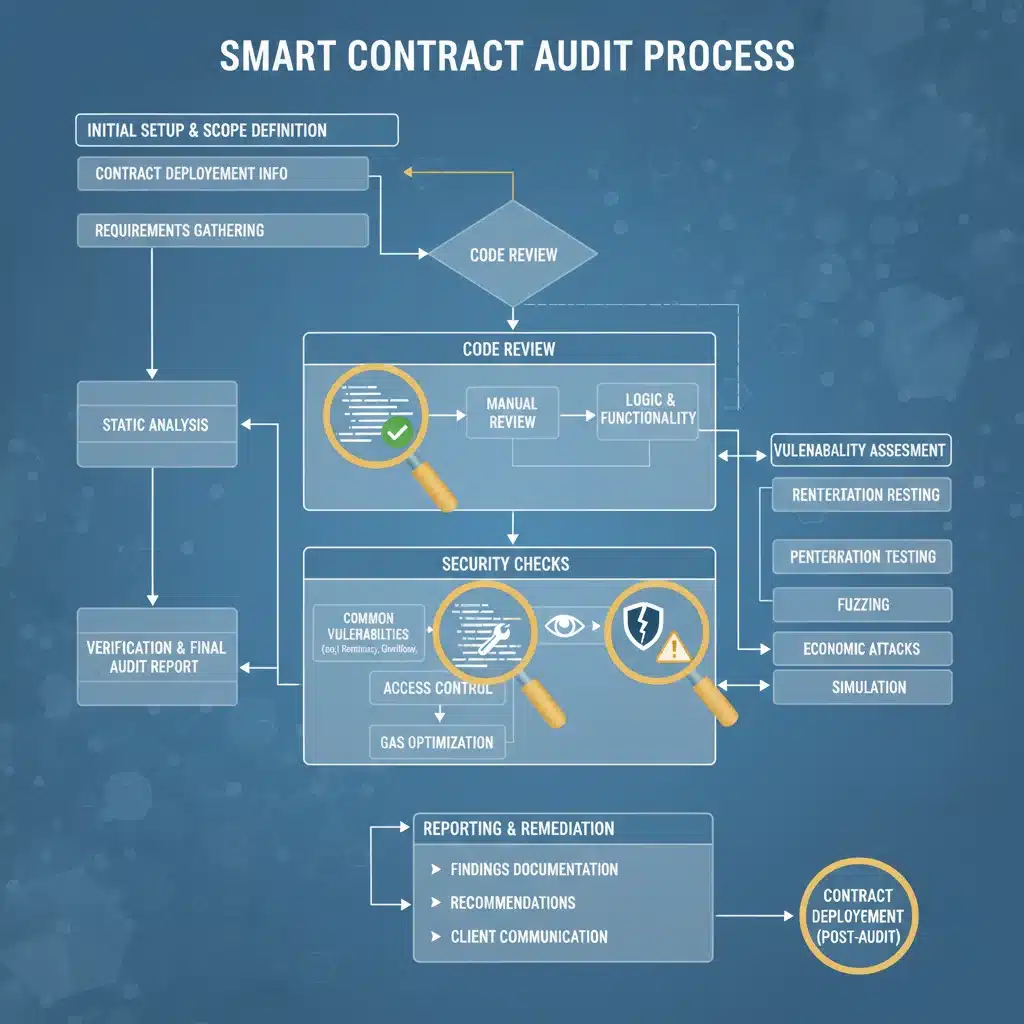
1. Prioritize Thorough Smart Contract Audits
Before interacting with any smart contract, especially those involving significant capital, always verify if it has undergone independent, reputable security audits. By 2026, these audits will need to be more rigorous, covering not just code vulnerabilities but also economic attack vectors and potential oracle manipulation. Look for projects that publish their audit reports transparently and have implemented recommendations.
2. Embrace Decentralized Security Measures
Relying solely on centralized exchanges or single points of failure is increasingly risky. Explore and utilize decentralized security measures:
- Multi-Signature Wallets (Multisig): For managing significant funds, multisig wallets require multiple private keys to authorize a transaction, significantly reducing the risk of a single point of compromise.
- Hardware Wallets: Continue to be the gold standard for cold storage. Ensure your hardware wallet firmware is always updated and purchased directly from the manufacturer.
- Decentralized Identity (DID) Solutions: As DID technology matures, it can offer more secure and privacy-preserving ways to interact with dApps, reducing reliance on centralized identity providers.
3. Understand and Mitigate Oracle Risks
When using DeFi protocols that depend on external data, research their oracle infrastructure. Favor protocols that utilize decentralized oracle networks with robust aggregation mechanisms, multiple data sources, and a strong track record of security. Be wary of protocols relying on single or easily manipulated data feeds.
4. Active Participation in DAO Governance and Community Vigilance
For investments in DAO-governed projects, active participation is a form of security. Stay informed about governance proposals, vote on critical decisions, and engage with the community. A vigilant and engaged community can often identify and address potential exploits or malicious proposals before they cause damage. This collective oversight is vital to secure crypto investments within decentralized autonomous organizations.
5. Continuous Education and Threat Intelligence
The crypto space evolves rapidly. Staying educated about new attack vectors, security best practices, and emerging vulnerabilities is paramount. Follow reputable crypto security researchers, participate in relevant communities, and subscribe to threat intelligence feeds. Understanding common scams, such as phishing and rug pulls, remains fundamental.
6. Diversification and Risk Management
Never put all your eggs in one basket. Diversify your crypto portfolio across different assets, blockchain networks, and types of decentralized applications. Implement sound risk management principles, only investing what you can afford to lose, and regularly re-evaluating your exposure to various protocols.
7. Scrutinize Cross-Chain Bridge Security
As cross-chain interoperability becomes more common, the security of bridges will be a critical concern. Before using a bridge, research its security architecture, audit history, and the reputation of its operators. Prefer bridges that are decentralized, have undergone extensive testing, and offer transparent security models. A single point of failure in a bridge can have cascading effects on your ability to secure crypto investments across ecosystems.
8. Leverage Insurance and Protection Protocols
By 2026, decentralized insurance protocols offering coverage against smart contract exploits will be more mature and accessible. While not a substitute for robust security practices, these can provide an additional layer of protection for significant investments. Research reputable decentralized insurance providers and understand their coverage terms.
9. Adherence to US Regulatory Guidelines
For US crypto investors, understanding and adhering to evolving regulatory guidelines is not just about legal compliance but also about protecting assets. Regulated entities often have higher security standards and consumer protections. Be cautious of projects or platforms that operate in a regulatory grey area or actively avoid compliance, as they may expose you to unforeseen legal and financial risks.
10. Secure Your Digital Footprint
Beyond the smart contracts themselves, your personal digital security remains crucial. Use strong, unique passwords, enable two-factor authentication (2FA) on all accounts, be wary of unsolicited communications, and practice good operational security. A compromised email or social media account can be a gateway to your crypto assets.
The Role of AI and Machine Learning in Smart Contract Security
By 2026, Artificial Intelligence (AI) and Machine Learning (ML) will play an increasingly significant role in bolstering smart contract security. These technologies can:
- Automated Vulnerability Detection: AI-powered tools can analyze vast amounts of smart contract code, identifying patterns indicative of known vulnerabilities and even predicting new attack vectors with greater speed and accuracy than human auditors alone.
- Real-time Threat Monitoring: ML algorithms can monitor blockchain transactions and smart contract interactions in real-time, detecting anomalous behavior that might signal an ongoing exploit or a flash loan attack.
- Predictive Security Analytics: By analyzing historical exploit data and market conditions, AI can help predict which types of smart contracts or protocols might be more susceptible to future attacks, allowing for proactive defensive measures.
- Enhanced Identity Verification: AI can contribute to more robust and fraud-resistant decentralized identity solutions, making it harder for malicious actors to impersonate legitimate users or gain unauthorized access.
However, it’s important to remember that AI is a tool, not a panacea. It will augment, rather than replace, human expertise in auditing and security. The development and deployment of AI in security also bring new challenges, such as the potential for adversarial AI to bypass these defenses.

Case Studies and Lessons Learned (Anticipated by 2026)
While we can’t predict specific future exploits, history provides valuable lessons. By 2026, new high-profile smart contract hacks will undoubtedly occur, each offering critical insights. These incidents will likely highlight:
- The increasing complexity of attack vectors, moving beyond simple code errors to economic manipulation and governance exploits.
- The importance of robust incident response plans for decentralized protocols, including emergency shutdown mechanisms and treasury recovery strategies.
- The ongoing challenge of achieving true decentralization while maintaining security, as some protocols may centralize certain functions for efficiency, creating new points of failure.
- The need for collaborative security efforts across the ecosystem, with white-hat hackers, security researchers, and protocol developers working together to identify and patch vulnerabilities.
US crypto investors must pay close attention to these future case studies, understanding the root causes of compromises and adapting their personal security practices accordingly. Learning from the mistakes and successes of others is a cornerstone of how to secure crypto investments in a dynamic environment.
The Future of Smart Contract Development and Security Standards
In response to evolving threats, the smart contract development landscape will also adapt:
- Formal Verification Adoption: More projects will adopt formal verification methods, which mathematically prove the correctness of smart contract code, significantly reducing the likelihood of certain types of bugs.
- Secure Coding Standards: Industry-wide secure coding standards and best practices will become more formalized and widely adopted, similar to traditional software development.
- Bug Bounty Programs: Robust bug bounty programs will be standard for all major smart contract protocols, incentivizing ethical hackers to find and report vulnerabilities before malicious actors exploit them.
- Composable Security Primitives: The development of standardized, audited, and composable security primitives will allow developers to build more secure smart contracts from the ground up, reducing the risk of introducing new vulnerabilities.
These advancements in development and security standards will collectively contribute to a more resilient ecosystem, making it easier for investors to secure crypto investments by relying on more inherently secure protocols.
Conclusion: A Proactive Stance for US Crypto Investors
The journey to 2026 promises an exciting, yet challenging, future for smart contracts and US crypto investments. While the potential for innovation and financial growth is immense, so too are the risks associated with evolving vulnerabilities and a maturing regulatory landscape. By understanding the anticipated changes, adopting a proactive and multi-faceted security strategy, and committing to continuous education, US crypto investors can significantly enhance their ability to secure crypto investments.
The key lies in vigilance, skepticism, and a commitment to best practices. Never assume a smart contract or protocol is inherently secure; always do your due diligence. Embrace decentralized security tools, stay informed about regulatory developments, and actively participate in the communities of the projects you invest in. By doing so, you can navigate the complexities of the decentralized future with greater confidence and safeguard your digital assets against the threats of tomorrow.