US Consumer Spending: Digital Services Surge 10% by 2026

Market Watch: US Consumer Spending Patterns Show a 10% Shift Towards Digital Services in 2026
The landscape of American consumerism is undergoing a seismic transformation. As technology continues its relentless march forward, so too does the way individuals interact with and spend their hard-earned money. A recent comprehensive analysis projects a significant 10% shift in US consumer spending patterns towards digital services by the year 2026. This isn’t merely a minor fluctuation; it represents a fundamental reorientation of economic activity, with profound implications for businesses, policymakers, and consumers alike. Understanding these digital spending trends is paramount for anyone looking to navigate the future economy successfully.
The Digital Tsunami: What’s Driving the Shift?
Several powerful forces are converging to accelerate this shift towards digital services growth. The COVID-19 pandemic, while a tragic global event, undeniably acted as a catalyst, forcing millions to adopt digital platforms for work, education, entertainment, and essential services. This accelerated adoption cycle has created new habits and expectations that are unlikely to revert to pre-pandemic norms.
Technological Advancements and Infrastructure
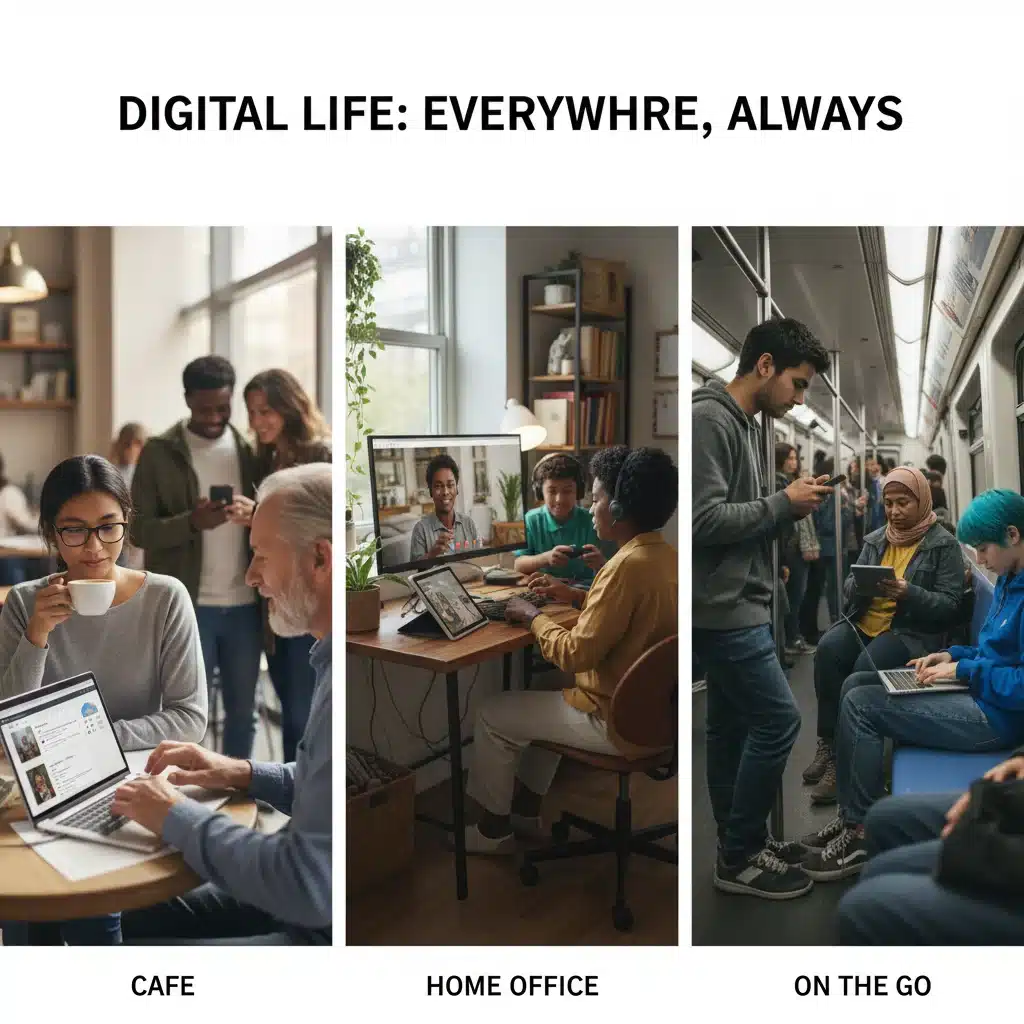
The continuous improvement in internet infrastructure, particularly the rollout of 5G networks, is a primary driver. Faster, more reliable internet access makes digital services more accessible and enjoyable. Furthermore, the proliferation of smart devices—smartphones, tablets, smart home devices, and wearables—means that digital interactions are no longer confined to desktops but are integrated seamlessly into daily life. These advancements fuel the digital spending trends we are observing.
Convenience and Personalization
Digital services offer unparalleled convenience. From ordering groceries with a few taps to streaming personalized entertainment, the ease and efficiency of digital platforms are a major draw. Consumers value their time, and digital services often provide a more streamlined and less time-consuming experience compared to traditional alternatives. Moreover, advanced algorithms allow for highly personalized experiences, recommending products, services, and content tailored to individual preferences, enhancing user satisfaction and driving repeat engagement. This focus on individual needs is central to current consumer behavior digital shifts.
Cost-Effectiveness and Value Proposition
In many cases, digital services can offer a more cost-effective solution than their physical counterparts. Subscription models for software, entertainment, and news often provide access to a vast library of content or functionalities at a fraction of the cost of individual purchases. The economies of scale achieved by digital service providers allow them to offer competitive pricing, further enticing consumers to shift their spending. This value proposition is a key component of the evolving digital spending trends.
Demographic Shifts and Digital Natives
The younger generations, often referred to as digital natives, have grown up with technology as an integral part of their lives. For them, digital interactions are not a novelty but the default. As these generations gain more purchasing power, their inherent preference for digital services will naturally accelerate the overall market shift. Their comfort and proficiency with technology will continue to shape and define future future spending habits.
Key Sectors Experiencing the Digital Surge
While the shift is broad-based, certain sectors are particularly poised for significant growth in digital spending.
Entertainment and Media
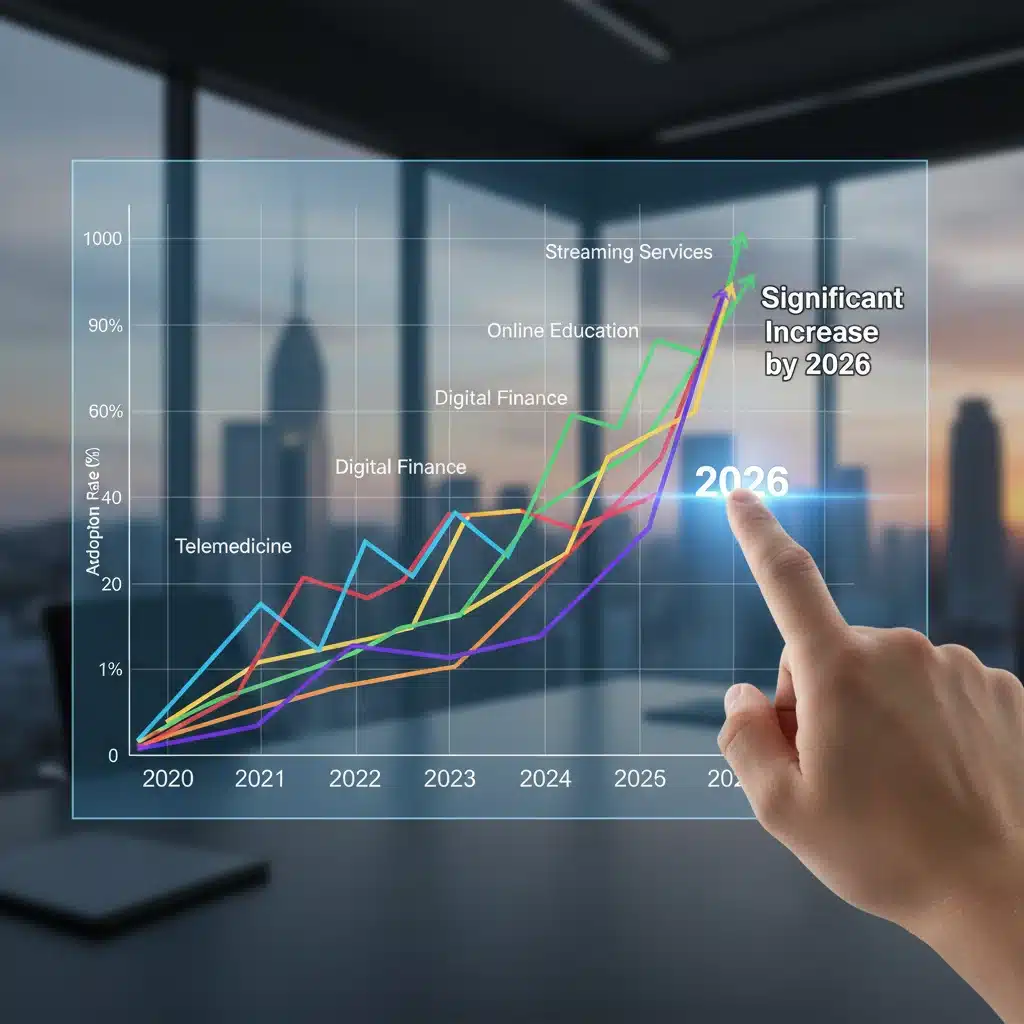
Streaming services for movies, TV shows, music, and gaming continue to dominate the digital entertainment landscape. The convenience, vast libraries, and often lower cost compared to traditional cable or physical media make them incredibly attractive. The rise of esports and interactive gaming platforms further solidifies this sector’s digital dominance. This area is a prime example of strong digital spending trends.
E-commerce and Online Retail
The transition from brick-and-mortar to online shopping is well-documented and continues unabated. Beyond traditional retail, specialized e-commerce platforms, direct-to-consumer brands, and subscription box services are capturing an increasing share of consumer wallets. The ease of comparison shopping, home delivery, and extensive product reviews contribute to its sustained growth. The expansion of e-commerce is a foundational element of current online retail growth.
Education and Professional Development
Online courses, e-learning platforms, and digital certifications have seen explosive growth. The flexibility, accessibility, and often lower cost of online education make it an appealing alternative or supplement to traditional schooling. This trend extends to professional development, with individuals increasingly investing in digital upskilling and reskilling programs to remain competitive in the job market. This highlights a critical aspect of evolving digital spending trends.
Health and Wellness
Telemedicine, online fitness classes, mental health apps, and digital wellness platforms are transforming how individuals manage their health. The convenience of virtual consultations and personalized digital health programs is particularly attractive in a post-pandemic world. This sector represents a significant area of emerging digital health solutions.
Financial Services and Fintech
Digital banking, mobile payment apps, investment platforms, and cryptocurrency services are rapidly gaining traction. Consumers are increasingly comfortable managing their finances through digital channels, appreciating the speed, transparency, and often lower fees offered by fintech solutions. These advancements are reshaping the financial aspects of digital spending trends.
Economic Implications of the Shift
A 10% shift in US consumer spending towards digital services by 2026 carries substantial economic implications that extend far beyond individual transactions.
Impact on Traditional Industries
Traditional brick-and-mortar retail, physical media, and conventional service providers face significant challenges. Businesses that fail to adapt and integrate digital strategies risk obsolescence. This shift necessitates innovation, digital transformation, and a re-evaluation of business models for survival and growth. The pressure on traditional sectors to adapt to these traditional industry challenges is immense.
Job Market Transformation
The digital shift will inevitably lead to a transformation in the job market. While some traditional jobs may decline, new roles in technology development, data analytics, cybersecurity, digital marketing, and user experience design will proliferate. The demand for digital skills will intensify, requiring significant investment in education and workforce retraining programs to ensure a smooth transition. This is a critical aspect of the evolving digital spending trends‘ impact on employment.
Increased Data Generation and Privacy Concerns
Every digital interaction generates data. This explosion of data offers unprecedented opportunities for businesses to understand consumer behavior, personalize services, and innovate. However, it also amplifies concerns around data privacy, security, and ethical use. Regulators and businesses face the challenge of establishing robust frameworks to protect consumer data while harnessing its potential. Addressing these data privacy concerns is crucial for sustainable digital growth.
Global Competitiveness
Nations and businesses that embrace and excel in the digital economy will gain a competitive edge. The US market’s shift towards digital services underscores the importance of fostering a robust technological ecosystem, supporting innovation, and attracting digital talent to maintain its position as a global economic leader. This emphasizes the role of digital spending trends in national economic strategy.
Monetary Policy and Economic Measurement
The increasing intangible nature of digital services presents challenges for traditional economic measurement and monetary policy. Accurately tracking the value creation and consumption in a digital-first economy requires new metrics and approaches. Policymakers must adapt to understand the true impact of these shifts on inflation, GDP, and overall economic health. This redefines how we analyze economic measurement in a digital age.
Navigating the Future: Strategies for Businesses and Consumers
Both businesses and consumers need to proactively adapt to these evolving digital spending trends.
For Businesses: Embrace Digital Transformation
- Invest in Digital Infrastructure: This includes robust e-commerce platforms, secure payment gateways, and efficient digital customer service channels.
- Prioritize User Experience (UX): Intuitive, seamless, and personalized digital experiences are crucial for customer retention and satisfaction.
- Leverage Data Analytics: Utilize consumer data to understand preferences, predict trends, and tailor offerings.
- Develop Omnichannel Strategies: Integrate online and offline experiences to provide a cohesive customer journey.
- Focus on Cybersecurity and Privacy: Build trust by ensuring the security of customer data and transparent privacy policies.
- Innovate and Adapt: Continuously monitor market trends and be prepared to pivot business models to meet changing consumer demands.
For Consumers: Informed Digital Engagement
- Prioritize Digital Literacy: Understand how to safely and effectively use various digital services.
- Manage Digital Footprint: Be aware of the data being shared online and take steps to protect personal information.
- Evaluate Value: Compare digital service offerings to ensure they provide genuine value and meet individual needs.
- Budget for Digital Subscriptions: As more services move to subscription models, factor these into personal financial planning.
- Stay Informed: Keep abreast of new digital services, technologies, and potential risks.
The Role of Government and Regulation
As digital spending trends continue to shape the economy, the role of government and regulatory bodies becomes increasingly vital. Their involvement will be crucial in fostering an environment that supports innovation while protecting consumers and ensuring fair competition.
Ensuring Fair Competition
The rise of dominant digital platforms raises concerns about monopolies and anti-competitive practices. Governments will need to enforce antitrust laws and potentially develop new regulatory frameworks to ensure a level playing field for all businesses, from startups to established giants. This is essential for fostering a dynamic digital marketplace where fair digital competition can thrive.
Consumer Protection and Data Governance
With increased digital transactions comes an amplified need for consumer protection. This includes safeguarding against fraud, ensuring transparent pricing, and providing clear recourse for disputes. Furthermore, robust data governance policies, such as those seen with GDPR in Europe and various state-level initiatives in the US, will become more prevalent to protect individual privacy and control over personal data. These measures directly impact the trustworthiness of digital spending trends.
Investing in Digital Infrastructure and Education
Government investment in broadband infrastructure, especially in underserved rural areas, is critical to ensure equitable access to digital services for all citizens. Additionally, public education initiatives aimed at improving digital literacy and cybersecurity awareness can empower consumers to navigate the digital world more safely and effectively. These investments are foundational to supporting broad digital infrastructure investment.
Taxation in the Digital Economy
The shift towards digital services also presents challenges for traditional tax structures. Many digital services are intangible and can be provided across borders, complicating taxation efforts. Policymakers will need to explore new approaches to taxing the digital economy to ensure fair revenue collection and prevent tax avoidance by multinational corporations. This aspect is crucial for the long-term sustainability of digital spending trends within national economies.
The Future is Digital: Preparing for 2026 and Beyond
The projected 10% shift in US consumer spending towards digital services by 2026 is not an endpoint but a milestone in an ongoing evolution. This trend signifies a fundamental change in how value is created, exchanged, and consumed in the modern economy. Businesses that recognize this shift and proactively adapt their strategies will be best positioned for success. Consumers who embrace digital literacy and make informed choices will benefit from the convenience and opportunities that the digital world offers.
The journey towards a more digitized economy is complex, with both immense opportunities and significant challenges. However, by understanding the drivers behind these digital spending trends, and by fostering collaboration between industry, government, and individuals, the US can successfully navigate this transformation, unlocking new avenues for growth, innovation, and prosperity. The future of consumer spending is undeniably digital, and the time to prepare is now.
Embracing this digital future requires continuous learning, adaptation, and a willingness to innovate. As we move closer to 2026, the businesses that thrive will be those that not only offer compelling digital services but also build trust, prioritize user experience, and responsibly manage data. The consumers who benefit most will be those who are digitally savvy, secure, and discerning in their choices. The economic landscape is changing, and understanding these shifts is the first step towards shaping a successful future.
The implications of this shift extend to every facet of economic life, from the smallest local business to multinational corporations, and from individual households to national economic policies. The transition is not without its hurdles, including the digital divide, cybersecurity threats, and the need for continuous workforce adaptation. However, the benefits of enhanced efficiency, greater access, and personalized experiences offered by digital services are too significant to ignore. The momentum behind these digital spending trends is irreversible, making proactive engagement and strategic planning essential for all stakeholders.