Supply Chain Resilience: US Companies 2026 Mitigation Strategies
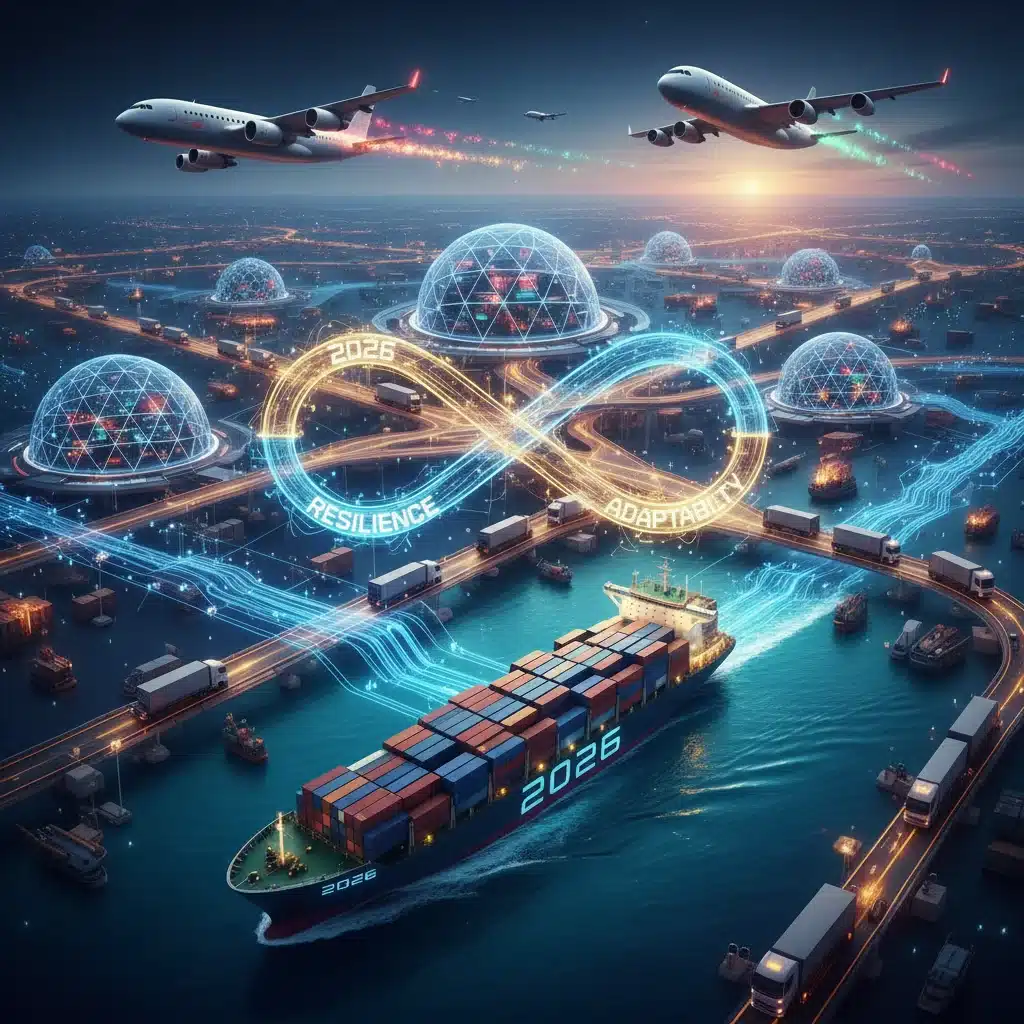
Building Unbreakable Supply Chains: US Companies Achieve 3-Month Disruption Mitigation by 2026
The landscape of global commerce is perpetually shifting, and the last few years have unequivocally demonstrated the fragility of even the most established supply chains. From geopolitical tensions to natural disasters and unforeseen global events, disruptions have become an unfortunate constant. For US companies, the imperative to build robust supply chain resilience is no longer a strategic advantage but a fundamental requirement for survival and growth. As we look towards 2026, a clear trend emerges: a concerted effort by American businesses to not only anticipate but also to rapidly mitigate supply chain disruptions, aiming for recovery within an ambitious three-month window.
This article delves into the transformative strategies, technological advancements, and philosophical shifts underpinning this drive for enhanced supply chain resilience. We will explore how US companies are re-engineering their operations, embracing innovative solutions, and fostering a culture of adaptability to ensure business continuity and competitive advantage in an increasingly unpredictable world.
The Urgent Need for Enhanced Supply Chain Resilience
The concept of supply chain resilience has moved from a niche academic topic to a boardroom priority. Past disruptions exposed critical vulnerabilities: over-reliance on single suppliers, lack of visibility across multi-tiered networks, and inadequate contingency planning. The financial ramifications were staggering, leading to lost revenue, damaged reputations, and eroded customer trust. Recognising these profound impacts, US companies have embarked on an aggressive journey to fortify their supply chains.
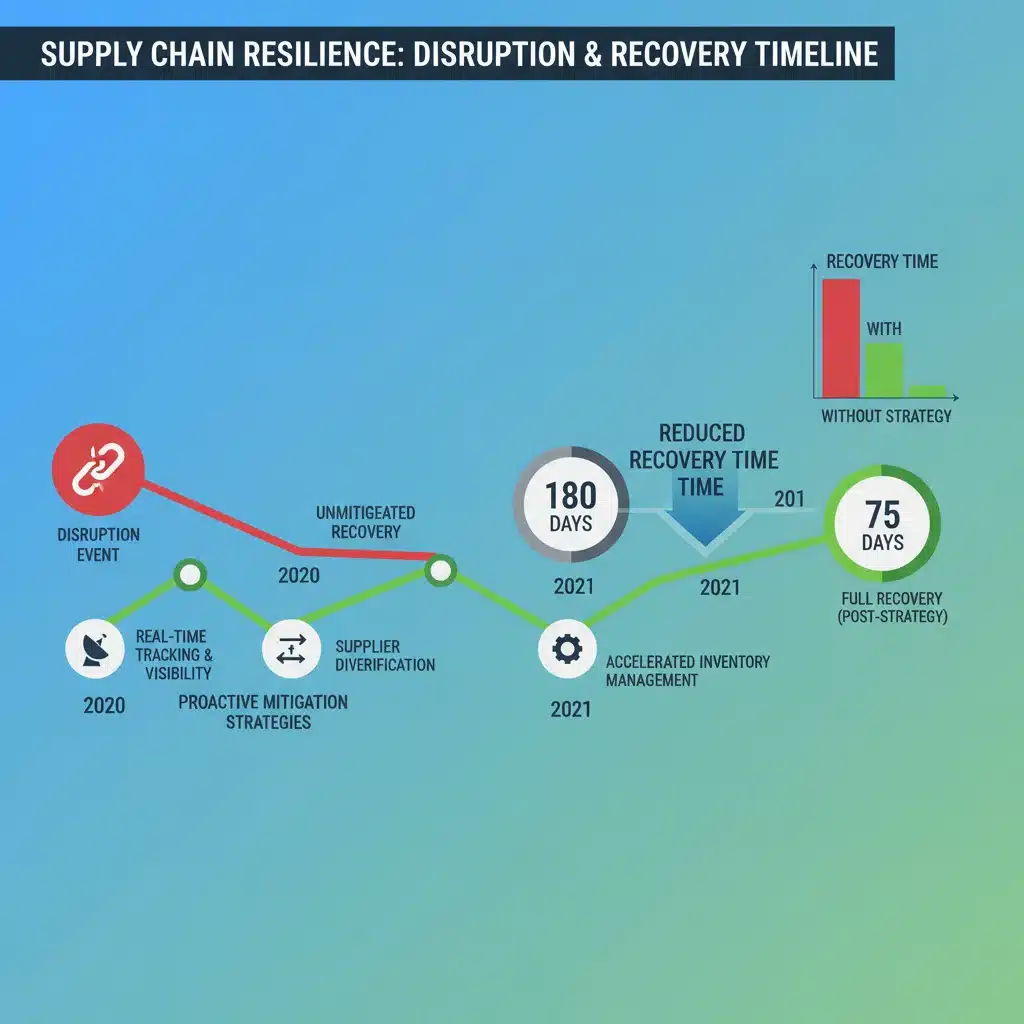
The goal of mitigating disruptions within three months by 2026 is a testament to this renewed focus. It signifies a move from reactive firefighting to proactive, strategic planning. This aggressive target demands not just incremental improvements but a holistic rethinking of how supply chains are designed, managed, and protected. Achieving this level of operational resilience requires a multi-faceted approach, integrating advanced technology, strategic partnerships, and robust risk management frameworks.
Key Pillars of Supply Chain Resilience in 2026
1. Diversification and Redundancy: Beyond Single Sourcing
One of the most significant lessons learned from recent global events is the peril of single-sourcing. US companies are now actively pursuing diversification strategies across their supplier base, geographical locations, and logistics routes. This involves:
- Multi-Sourcing: Engaging multiple suppliers for critical components and raw materials, even if it means slightly higher costs in the short term. This strategy ensures that if one supplier is compromised, alternatives are readily available.
- Geographic Spreading: Distributing manufacturing and sourcing operations across different regions and countries to reduce exposure to localized disruptions, whether they be natural disasters, political instability, or labor disputes.
- Buffer Stock and Inventory Optimization: While lean inventory practices have long been lauded for efficiency, the pendulum is swinging back towards maintaining strategic buffer stocks for critical items. This isn’t about hoarding; it’s about intelligent inventory management that balances cost efficiency with the ability to withstand short-term supply shocks.
- Alternative Logistics Routes: Identifying and pre-qualifying alternative shipping lanes, ports, and transportation providers to pivot quickly when primary routes are disrupted.
These diversification efforts are foundational to building true supply chain resilience, ensuring that a single point of failure does not cripple an entire operation.
2. Enhanced Visibility and Predictive Analytics: The Digital Backbone
You cannot manage what you cannot see. A lack of end-to-end visibility has been a persistent Achilles’ heel for many supply chains. By 2026, US companies are leveraging advanced technologies to gain unprecedented insight into their entire network:
- Real-time Tracking and IoT: Implementing Internet of Things (IoT) sensors on goods, vehicles, and containers provides real-time data on location, condition, and potential delays. This immediate feedback loop is crucial for proactive intervention.
- AI and Machine Learning for Demand Forecasting: AI-powered algorithms are revolutionizing demand forecasting by analyzing vast datasets, including historical sales, weather patterns, social media trends, and geopolitical events. This leads to more accurate predictions, reducing both overstocking and stockouts.
- Predictive Risk Analytics: Machine learning models are being trained to identify potential disruptions before they occur. By analyzing patterns in past events and current global indicators, these systems can flag risks such as port congestion, supplier financial instability, or impending severe weather, allowing companies to act preemptively.
- Digital Twin Technology: Creating virtual replicas of physical supply chains allows companies to simulate various disruption scenarios, test contingency plans, and optimize responses in a risk-free environment. This significantly enhances preparedness and refines supply chain resilience.
The integration of these digital tools forms the intelligent backbone of modern supply chain resilience, transforming raw data into actionable insights.
3. Collaborative Ecosystems and Strategic Partnerships
No single company can achieve complete supply chain resilience in isolation. The trend for 2026 is toward deeper collaboration and the formation of resilient ecosystems:
- Supplier Relationship Management (SRM): Moving beyond transactional relationships, companies are investing in robust SRM programs. This includes sharing forecasts, collaborating on product development, and jointly developing contingency plans. Auditing suppliers for their own resilience capabilities is also becoming standard practice.
- Logistics Provider Integration: Tighter integration with third-party logistics (3PL) and fourth-party logistics (4PL) providers, including shared data platforms and joint operational planning, ensures flexibility and responsiveness in transportation and warehousing.
- Industry Alliances and Information Sharing: Companies within the same industry are recognizing the mutual benefits of sharing non-competitive information regarding potential risks and best practices for supply chain resilience. This collective intelligence strengthens the entire sector.
- Government and Regulatory Engagement: Proactive engagement with government agencies and regulatory bodies can help shape policies that support supply chain stability and provide critical support during crises.
These collaborative efforts foster a shared responsibility for supply chain resilience, distributing risk and enhancing collective problem-solving capabilities.
4. Agile Manufacturing and Localized Production
The pursuit of cost efficiency often led to highly centralized manufacturing, but this model proves vulnerable to disruptions. US companies are now exploring more agile and localized production strategies:
- Modular Design and Flexible Production: Designing products with modular components allows for greater flexibility in sourcing and manufacturing. Production lines are becoming more adaptable, capable of switching between different products or adjusting output rapidly.
- Reshoring and Nearshoring: While not a complete reversal of globalization, there’s a growing trend towards bringing some manufacturing operations closer to home (reshoring) or to neighboring countries (nearshoring). This reduces lead times, transportation costs, and exposure to distant geopolitical risks, directly contributing to supply chain resilience.
- Micro-factories and Distributed Manufacturing: The concept of smaller, highly automated manufacturing facilities located closer to end markets is gaining traction. This distributed model reduces reliance on single large factories and minimizes the impact of localized disruptions.
- 3D Printing and Additive Manufacturing: These technologies offer the ability to produce parts on demand, reducing the need for extensive inventory and providing a rapid solution for critical component shortages.
By making manufacturing processes more agile and geographically diverse, companies are building intrinsic supply chain resilience from the ground up.

Overcoming Challenges in Achieving 3-Month Mitigation
While the ambition to mitigate disruptions within three months by 2026 is clear, achieving it presents several challenges:
- Cost Implications: Implementing these strategies often involves significant upfront investment in technology, infrastructure, and potentially higher sourcing costs for diversification. Justifying these costs requires a clear understanding of the long-term ROI of supply chain resilience.
- Data Integration and Standardization: Integrating disparate data systems across multiple internal departments and external partners is complex. Establishing common data standards is crucial for effective visibility and analytics.
- Talent Gap: There’s a growing need for professionals skilled in data analytics, supply chain technology, and risk management. Investing in upskilling existing employees and attracting new talent is vital.
- Change Management: Shifting from traditional, cost-focused supply chain models to resilience-driven ones requires significant organizational change management, overcoming resistance to new processes and technologies.
Addressing these challenges proactively is as important as implementing the strategies themselves, ensuring that the path to enhanced supply chain resilience is smooth and sustainable.
The Role of Technology in Accelerating Mitigation
Technology is not just an enabler; it’s the accelerator for achieving rapid disruption mitigation. Beyond visibility and predictive analytics, other technological advancements are playing a pivotal role:
- Blockchain for Transparency and Trust: Blockchain technology offers an immutable and transparent ledger for tracking goods and transactions across the supply chain. This enhances trust, reduces fraud, and provides verifiable information, which is critical during a disruption to confirm the authenticity and origin of alternative supplies.
- Robotics and Automation: In warehouses and manufacturing facilities, robotics and automation enhance efficiency and reduce reliance on manual labor, which can be a point of vulnerability during pandemics or labor shortages. Automated systems can operate 24/7, speeding up processing and distribution.
- Cloud-Based Platforms: Cloud solutions provide scalable, accessible, and secure platforms for managing supply chain data and applications. This allows for real-time collaboration and access to critical information from anywhere, facilitating rapid decision-making during a crisis.
- AI-Powered Decision Support Systems: These systems go beyond predictive analytics, offering prescriptive recommendations for action during a disruption. They can analyze various scenarios and suggest the optimal course of action to minimize impact and accelerate recovery, directly contributing to the 3-month mitigation target for supply chain resilience.
The synergistic application of these technologies creates an intelligent, responsive supply chain capable of absorbing shocks and bouncing back quickly.
Measuring and Continuously Improving Supply Chain Resilience
Achieving supply chain resilience is not a one-time project but an ongoing journey. US companies are establishing robust frameworks for measuring and continuously improving their resilience capabilities:
- Key Performance Indicators (KPIs): Beyond traditional KPIs like cost and delivery time, new metrics are being adopted, such as ‘time to recover,’ ‘resilience index,’ ‘supplier risk score,’ and ‘supply chain agility rating.’ These KPIs provide a quantitative measure of resilience.
- Regular Stress Testing and Scenario Planning: Companies are routinely conducting simulations of various disruption scenarios (e.g., major port closure, key supplier bankruptcy, cyber-attack) to test their plans, identify weaknesses, and refine their responses.
- Post-Disruption Analysis: After every real-world disruption, thorough post-mortem analyses are conducted to understand what worked, what didn’t, and how processes can be improved. This continuous learning loop is vital for evolving supply chain resilience.
- Benchmarking: Comparing resilience capabilities against industry best practices and competitors helps identify areas for improvement and ensures that companies remain at the forefront of supply chain management.
This commitment to continuous evaluation and improvement is what will sustain the enhanced supply chain resilience achieved by 2026 and beyond.
The Future of Supply Chain Resilience: Beyond 2026
The drive for 3-month disruption mitigation by 2026 is an ambitious yet achievable goal for many US companies. However, the evolution of supply chain resilience will not stop there. Looking further into the future, we can anticipate:
- Hyper-Personalized Supply Chains: Leveraging AI and advanced analytics to create highly customized and adaptive supply chains that can dynamically reconfigure based on real-time demand and supply conditions.
- Autonomous Logistics: Increased adoption of autonomous vehicles, drones, and robotics in logistics, further reducing human-dependent vulnerabilities and increasing speed.
- Circular Supply Chains: A greater emphasis on sustainability and circular economy principles, where products and materials are reused, recycled, and repurposed, reducing reliance on virgin materials and creating more closed-loop, resilient systems.
- Integrated Risk Management Platforms: A shift towards comprehensive, enterprise-wide risk management platforms that integrate supply chain risks with financial, operational, and reputational risks, providing a holistic view of organizational vulnerabilities.
These future trends underscore the ongoing commitment to building supply chains that are not only resilient but also sustainable, ethical, and capable of thriving in an ever-changing global environment.
Conclusion: A Resilient Future for US Businesses
The journey towards achieving 3-month disruption mitigation by 2026 represents a pivotal moment for US companies. It signifies a profound shift in mindset, moving from viewing supply chains merely as cost centers to recognizing them as strategic assets and sources of competitive advantage. By embracing diversification, leveraging cutting-edge technology, fostering deep collaborations, and adopting agile manufacturing practices, American businesses are systematically fortifying their operations.
The enhanced supply chain resilience being built today will not only protect companies from future shocks but also unlock new opportunities for innovation, efficiency, and market leadership. As 2026 approaches, the vision of robust, adaptable, and rapidly recovering supply chains is not just a hope but a tangible reality, setting a new global standard for operational excellence and business continuity.