Supply Chain Resilience 2026: US Businesses Adapting to Global Shifts

The global economic landscape is in perpetual motion, presenting both unprecedented challenges and remarkable opportunities for businesses worldwide. For US enterprises, the imperative to cultivate robust supply chain resilience has never been more critical. As we rapidly approach 2026, the lessons learned from recent disruptions – from pandemics to geopolitical tensions and natural disasters – are being actively integrated into strategic frameworks. This article delves deep into how US businesses are not just reacting, but proactively adapting their supply chains to withstand future shocks, ensuring continuity, and fostering sustainable growth in a volatile global environment.
The concept of supply chain resilience has evolved from a theoretical ideal to an operational necessity. It encompasses the ability of a supply chain to prepare for unexpected disruptions, respond effectively when they occur, and recover quickly to its original or an even stronger state. For US businesses, this means re-evaluating traditional models, embracing innovative technologies, and fostering a culture of adaptability. The next three months, leading into 2026, are proving to be a pivotal period for implementing these transformative changes.
The Shifting Sands: Understanding Global Dynamics Impacting US Supply Chains
Before diving into adaptation strategies, it’s crucial to understand the multifaceted global shifts that are compelling US businesses to enhance their supply chain resilience. These shifts are not isolated incidents but rather interconnected forces creating a complex web of challenges:
Geopolitical Volatility and Trade Tensions
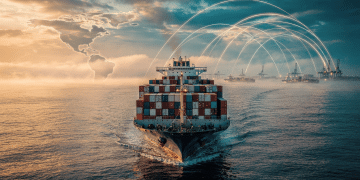
The geopolitical landscape remains a significant source of uncertainty. Trade wars, sanctions, and shifting international alliances can drastically alter sourcing options, increase tariffs, and introduce new regulatory hurdles. US businesses are increasingly diversifying their supplier base away from single-source regions, particularly those prone to political instability, to mitigate these risks. This often involves nearshoring or friend-shoring strategies, prioritizing reliability over the lowest possible cost.
Climate Change and Environmental Disasters
The escalating frequency and intensity of extreme weather events pose direct threats to physical infrastructure, transportation networks, and agricultural outputs, all vital components of the supply chain. Hurricanes, floods, droughts, and wildfires can cause significant delays, damage facilities, and disrupt the availability of raw materials. Building supply chain resilience in this context involves not only reactive measures like emergency planning but also proactive steps towards sustainable logistics and climate-adaptive infrastructure.
Technological Disruption and Cybersecurity Threats
While technology offers immense opportunities for optimization, it also introduces new vulnerabilities. Cyberattacks on logistics providers, manufacturers, or critical infrastructure can bring entire supply chains to a standstill. Furthermore, rapid technological advancements can render existing processes obsolete, necessitating continuous investment in modernizing systems to maintain competitiveness and security. The digital backbone of modern supply chains demands robust cybersecurity protocols.
Labor Shortages and Workforce Dynamics
Globally, various sectors are experiencing labor shortages, from manufacturing to transportation and logistics. This impacts production capacity, delivery times, and overall operational efficiency. US businesses are exploring automation, upskilling their existing workforce, and developing more flexible labor strategies to address these challenges and ensure consistent operational capacity, directly contributing to their supply chain resilience.
Consumer Demand Volatility and Personalization
Modern consumers expect faster deliveries, greater product variety, and personalized experiences. This volatile and demanding market environment puts immense pressure on supply chains to be agile, responsive, and highly efficient. The ability to quickly scale up or down production, manage diverse inventory, and offer flexible delivery options is a cornerstone of modern supply chain resilience.
Strategic Pillars for Enhanced Supply Chain Resilience by 2026
In response to these complex global shifts, US businesses are focusing on several key strategic pillars to build enduring supply chain resilience. These aren’t isolated initiatives but rather integrated components of a holistic approach.
1. Diversification and Regionalization of Sourcing
One of the most immediate and impactful strategies is to move away from over-reliance on single geographic regions or suppliers. This involves:
- Multi-Sourcing: Engaging multiple suppliers for critical components, even if it means slightly higher unit costs, to ensure continuity of supply.
- Nearshoring/Friend-shoring: Shifting production or sourcing closer to home (nearshoring) or to politically stable, allied countries (friend-shoring). This reduces lead times, transportation costs, and exposure to geopolitical risks.
- Local Sourcing: For certain materials or components, prioritizing local suppliers can significantly shorten the supply chain, reduce environmental impact, and support local economies, bolstering supply chain resilience against distant disruptions.
2. Advanced Data Analytics and Predictive Intelligence
The ability to anticipate and respond to disruptions is heavily reliant on data. US businesses are investing heavily in:
- Real-time Visibility: Implementing technologies like IoT (Internet of Things) sensors, GPS tracking, and blockchain to gain end-to-end visibility across the entire supply chain, from raw materials to final delivery.
- Predictive Analytics: Utilizing AI and machine learning to analyze vast datasets, identify patterns, and forecast potential disruptions (e.g., weather events, demand spikes, supplier failures) before they materialize. This allows for proactive mitigation strategies.
- Risk Mapping and Scenario Planning: Developing detailed risk maps that identify vulnerabilities at every stage of the supply chain and running various scenario simulations to test response plans and build adaptive capabilities, crucial for supply chain resilience.

3. Digital Transformation and Automation
Technology is not just an enabler but a fundamental driver of modern supply chain resilience. Key areas of focus include:
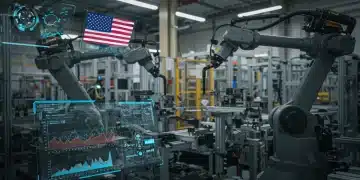
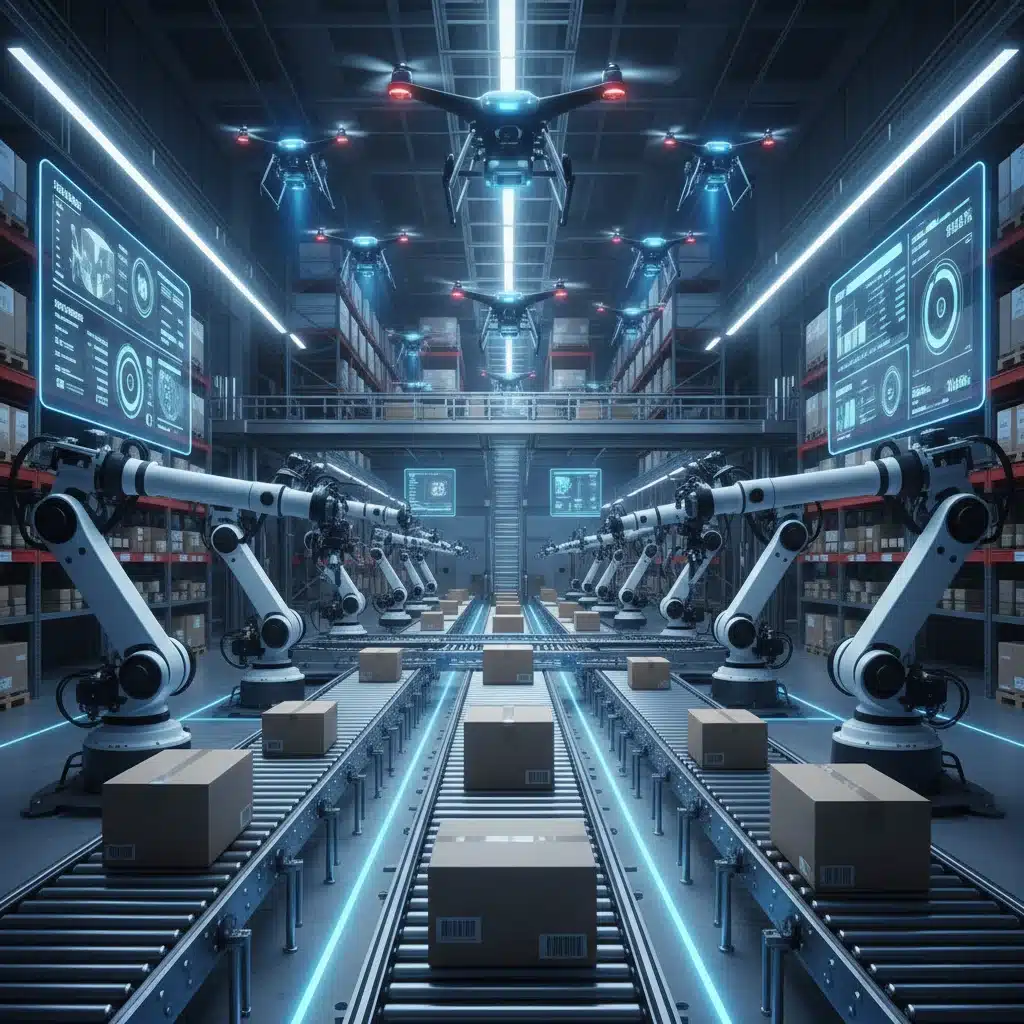
- Automation in Warehousing and Logistics: Robotics, automated guided vehicles (AGVs), and drones are optimizing warehouse operations, reducing labor dependency, increasing efficiency, and speeding up order fulfillment.
- Cloud-Based Supply Chain Management (SCM) Platforms: Migrating to cloud-based SCM systems offers scalability, enhanced collaboration with partners, and access to real-time data from anywhere.
- Blockchain for Transparency and Traceability: Blockchain technology can create immutable records of transactions and product movements, enhancing transparency, reducing fraud, and improving traceability, which is vital for compliance and recalls.
- Digital Twins: Creating virtual models of physical supply chains allows businesses to test changes, predict outcomes, and optimize performance in a risk-free environment.
4. Building Stronger Supplier Relationships and Collaboration
A resilient supply chain is not built in isolation. It relies on a network of strong, collaborative relationships:
- Supplier Relationship Management (SRM) Programs: Moving beyond transactional interactions to foster strategic partnerships with key suppliers, involving shared goals, risk-sharing agreements, and joint innovation.
- Information Sharing: Establishing robust channels for transparent and timely information exchange with suppliers and logistics partners, including demand forecasts, inventory levels, and production schedules.
- Joint Contingency Planning: Collaborating with suppliers to develop pre-agreed contingency plans for various disruption scenarios, ensuring a coordinated and rapid response. This collaborative approach significantly enhances overall supply chain resilience.
5. Embracing Circular Economy Principles and Sustainability
Sustainability is no longer just a corporate social responsibility initiative; it’s an integral part of building long-term supply chain resilience. By 2026, US businesses are increasingly:
- Designing for Durability and Recyclability: Creating products with longer lifespans and components that can be reused, repaired, or recycled, reducing reliance on new raw material extraction and minimizing waste.
- Reverse Logistics: Developing efficient systems for collecting, inspecting, and processing returned or end-of-life products for repair, refurbishment, or recycling, creating closed-loop supply chains.
- Sustainable Sourcing: Prioritizing suppliers who adhere to ethical labor practices and environmentally sound production methods, reducing reputational risks and ensuring access to sustainably produced materials.
- Optimizing Transportation: Investing in greener transportation methods, optimizing routes, and consolidating shipments to reduce carbon footprint and operational costs, contributing to both environmental and economic supply chain resilience.
The Three-Month Sprint: Immediate Actions for US Businesses
The urgency to act is palpable. Many US businesses are currently in a rapid phase of implementing changes that will solidify their supply chain resilience by 2026. Here are some immediate actions being prioritized:
Month 1: Assessment and Prioritization
- Comprehensive Risk Assessment: Conduct a thorough analysis of current supply chain vulnerabilities, mapping out critical suppliers, transportation routes, and potential bottlenecks.
- Technology Audit: Evaluate existing SCM technologies and identify gaps in real-time visibility, data analytics, and automation capabilities.
- Supplier Vetting Update: Re-assess key suppliers for financial stability, geopolitical exposure, and their own resilience strategies.
- Cross-Functional Team Formation: Establish a dedicated team, including representatives from procurement, logistics, IT, and finance, to champion resilience initiatives.
Month 2: Planning and Pilot Implementation
- Develop Diversification Plan: Identify alternative sourcing options, including potential nearshore or friend-shore partners, and begin pilot programs.
- Invest in Visibility Tools: Implement or upgrade real-time tracking and monitoring systems for critical shipments and inventory.
- Cybersecurity Enhancement: Strengthen cybersecurity protocols across the supply chain, particularly with third-party logistics providers and data exchange partners.
- Scenario Planning Workshops: Conduct workshops to develop and refine response plans for various disruption scenarios, involving key internal and external stakeholders.
Month 3: Rollout and Communication
- Expand Diversification Efforts: Begin formalizing contracts with new, diversified suppliers based on pilot successes.
- Integrate Predictive Analytics: Fully integrate AI-powered predictive tools into operational decision-making processes.
- Employee Training: Train staff on new technologies, processes, and emergency response protocols.
- Communicate with Stakeholders: Transparently communicate resilience strategies to investors, customers, and partners, building confidence and trust.
The Future of Supply Chain Resilience: Beyond 2026
The journey to achieve optimal supply chain resilience is continuous, extending far beyond 2026. The strategies being implemented now are foundational, paving the way for even more sophisticated and adaptive supply chains. Looking ahead, we can anticipate further advancements in:
- Hyper-Personalized Supply Chains: Leveraging advanced data and AI to create highly customized supply chains that can cater to individual customer preferences while maintaining efficiency.
- Autonomous Logistics: Increased adoption of autonomous vehicles, drones, and robotics for last-mile delivery and intra-warehouse operations, further reducing labor dependency and increasing speed.
- Decentralized Manufacturing: The rise of localized micro-factories and additive manufacturing (3D printing) could reduce reliance on long-distance shipping for certain products, bringing production closer to the point of consumption.
- Integrated Digital Twins: More comprehensive and dynamic digital twins that can simulate entire global supply chains in real-time, offering unparalleled insights and predictive capabilities.
- Ethical AI and Transparent Algorithms: Ensuring AI systems used in supply chain management are fair, transparent, and ethically sound, building trust and avoiding unintended biases.
Conclusion: A Resilient Future for US Businesses
The transformation of US supply chains in response to global shifts is not merely an operational adjustment; it’s a strategic imperative for survival and growth. By focusing on diversification, leveraging advanced data and digital technologies, fostering strong collaborations, and embedding sustainability, US businesses are actively building robust supply chain resilience. The rapid adaptations being implemented over these crucial months leading into 2026 are setting the stage for a future where disruptions are not just weathered, but leveraged as opportunities for innovation and competitive advantage. The commitment to continuous improvement and foresight will ensure that US enterprises remain agile, competitive, and prepared for whatever challenges the future may hold.