Green Economy USA: $50 Billion Opportunities for Businesses in 2026
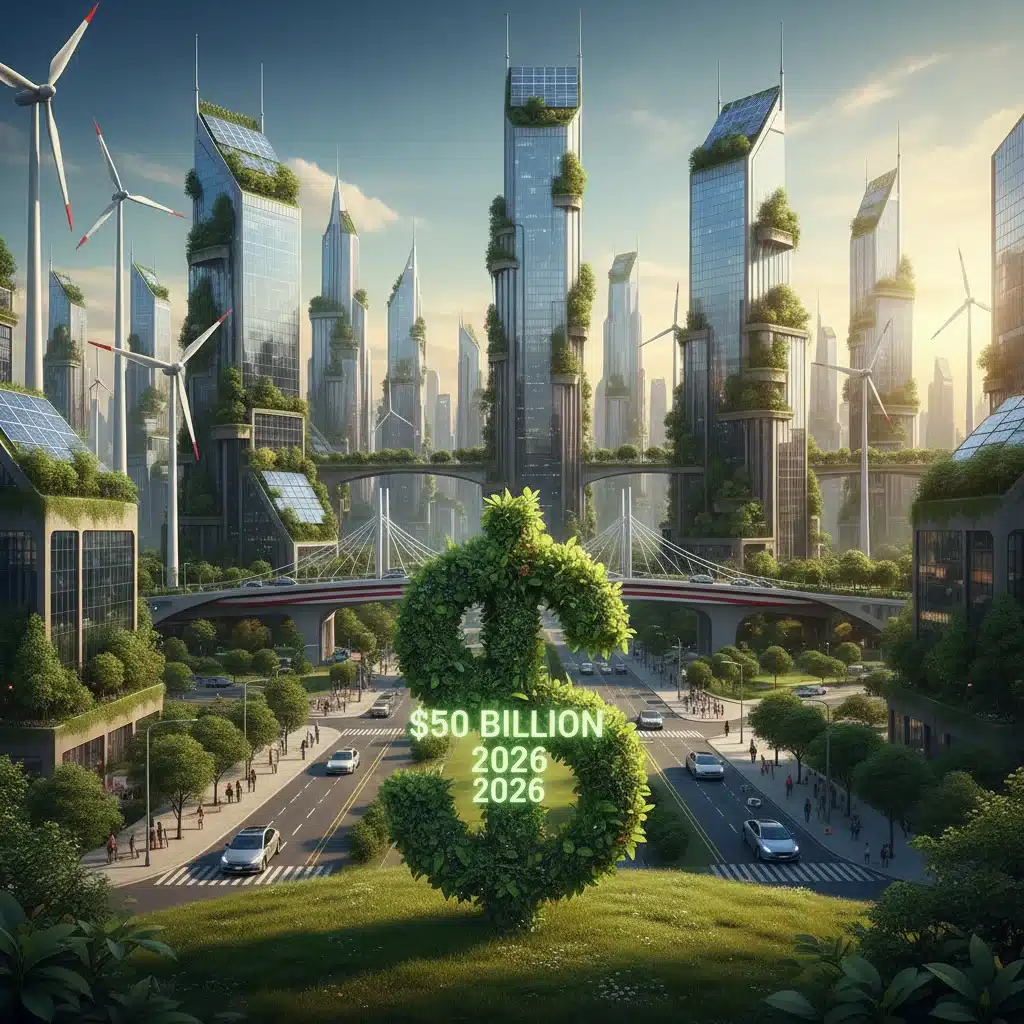
Decoding the Green Economy USA: $50 Billion in New Funding and Unprecedented Opportunities for Businesses in 2026
The global narrative is unequivocally shifting towards sustainability, and nowhere is this more evident than in the United States. The green economy USA is not just a buzzword; it’s a rapidly expanding sector poised for monumental growth. With an anticipated $50 billion in new funding earmarked for 2026, businesses across the nation are on the cusp of an unparalleled wave of opportunities. This isn’t merely about environmental stewardship; it’s about smart economics, future-proofing ventures, and tapping into a market that prioritizes both profit and planet.
The influx of capital signals a robust commitment from both public and private sectors to accelerate the transition to a sustainable future. For entrepreneurs, established enterprises, and investors alike, understanding the nuances of this burgeoning market is paramount. This comprehensive guide will delve into what defines the green economy USA, explore the key sectors ripe for investment, highlight the mechanisms of the new funding, and provide actionable insights for businesses looking to thrive in this transformative landscape.
What Exactly is the Green Economy USA?
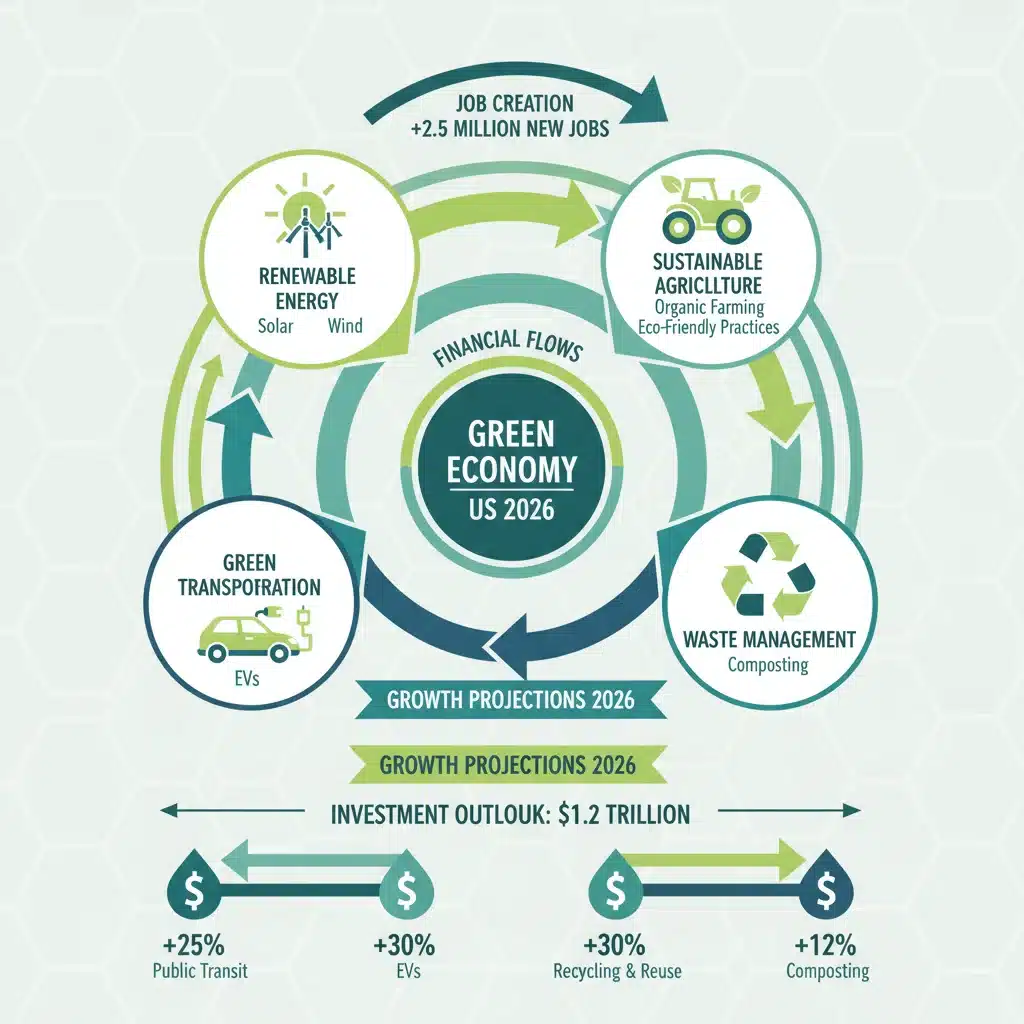
The concept of a green economy USA extends far beyond simply ‘being environmentally friendly.’ It encompasses economic activity that results in improved human well-being and social equity, while significantly reducing environmental risks and ecological scarcities. In essence, it’s an economy that is low carbon, resource efficient, and socially inclusive. It’s about designing products, services, and infrastructure that minimize environmental impact, conserve natural resources, and foster resilient communities.
Key pillars of the green economy USA include:
- Renewable Energy: Shifting from fossil fuels to clean sources like solar, wind, geothermal, and hydropower.
- Energy Efficiency: Reducing energy consumption in homes, businesses, and transportation through innovative technologies and practices.
- Sustainable Transportation: Developing electric vehicles, public transit systems, and cycling infrastructure.
- Waste Management and Circular Economy: Minimizing waste through recycling, reuse, and designing products for longevity and end-of-life recovery.
- Green Building and Infrastructure: Constructing energy-efficient, environmentally responsible buildings and resilient infrastructure.
- Sustainable Agriculture and Land Use: Practices that protect soil health, water quality, and biodiversity while ensuring food security.
- Water Management: Efficient use, conservation, and treatment of water resources.
- Environmental Services: Consulting, remediation, and other services that support environmental protection and sustainability.
The growth of the green economy USA is driven by a confluence of factors: increasing public awareness of climate change, evolving consumer preferences for sustainable products, technological advancements making green solutions more cost-effective, and critically, supportive government policies and significant financial incentives.
The $50 Billion Catalyst: Understanding the New Funding for 2026
The announcement of $50 billion in new funding for the green economy USA in 2026 is a game-changer. This substantial capital injection is expected to come from a combination of federal initiatives, state-level programs, private sector investments, and international partnerships. While the exact breakdown will become clearer as 2026 approaches, the overarching goal is to accelerate the nation’s transition to a net-zero economy, enhance energy independence, and create millions of green jobs.
Sources of Funding:
- Federal Programs: Building upon existing legislation like the Inflation Reduction Act (IRA) and the Bipartisan Infrastructure Law (BIL), new federal allocations will likely target specific areas such as clean energy infrastructure, electric vehicle charging networks, advanced manufacturing for green technologies, and climate resilience projects. These often come in the form of tax credits, grants, loans, and direct investments.
- State and Local Initiatives: Many states and municipalities are independently setting ambitious climate goals and offering their own incentives. The federal funding often acts as a catalyst, encouraging states to match or expand their own green programs.
- Private Sector Investment: Venture capital firms, private equity funds, and corporate investors are increasingly allocating significant capital to sustainable ventures. The $50 billion figure likely includes a substantial portion of private capital attracted by the growing profitability and market demand within the green economy USA. Environmental, Social, and Governance (ESG) investing has become a mainstream financial strategy, driving capital towards sustainable enterprises.
- Green Bonds and Sustainable Finance: The market for green bonds, which finance environmentally friendly projects, is expanding rapidly. Financial institutions are also developing new sustainable finance products to support green initiatives.
This funding isn’t just about throwing money at problems; it’s a strategic investment designed to stimulate innovation, de-risk nascent technologies, and scale proven solutions. For businesses, it represents a golden opportunity to secure capital for research and development, expand operations, and enter new markets within the green economy USA.
Key Sectors Ripe for Investment and Growth
With $50 billion on the table, certain sectors within the green economy USA are poised for explosive growth. Businesses operating in or looking to pivot into these areas will find significant support and demand.
1. Renewable Energy Generation and Storage
The push for decarbonization means a relentless focus on solar, wind, geothermal, and hydropower. This sector isn’t just about building new power plants; it includes:
- Solar Technology: Advanced photovoltaics, concentrated solar power, and innovative solar panel manufacturing.
- Wind Energy: Onshore and offshore wind farm development, turbine manufacturing, and maintenance.
- Energy Storage: Battery technology (lithium-ion, solid-state, flow batteries), grid-scale storage solutions, and home energy storage systems are critical for grid stability and reliability when integrating intermittent renewables.
- Grid Modernization: Smart grid technologies, microgrids, and infrastructure upgrades to handle decentralized energy generation.
Businesses involved in manufacturing, installation, maintenance, and software solutions for these technologies will find immense opportunities.
2. Sustainable Transportation and Electric Vehicles (EVs)
The electrification of transport is a cornerstone of the green economy USA. This sector includes:
- EV Manufacturing: Not just cars, but electric trucks, buses, and specialized industrial vehicles.
- Charging Infrastructure: Development and deployment of public and private charging stations, including fast-charging networks.
- Battery Production and Recycling: Establishing a domestic supply chain for EV batteries, from raw materials to recycling spent batteries.
- Alternative Fuels: Research and development into hydrogen fuel cells, sustainable aviation fuels, and biofuels for hard-to-decarbonize sectors.
- Public Transit Modernization: Investments in electric buses, high-speed rail, and integrated multimodal transport systems.
The entire EV ecosystem, from component suppliers to software developers for charging networks, will experience significant tailwinds.
3. Green Building and Sustainable Infrastructure
Constructing and retrofitting buildings to be energy-efficient and environmentally sound is a massive undertaking:
- Energy-Efficient Materials: Development and manufacturing of advanced insulation, smart windows, and low-carbon concrete.
- Smart Building Technology: IoT solutions for energy management, HVAC optimization, and intelligent lighting systems.
- Water-Saving Technologies: Greywater recycling systems, low-flow fixtures, and smart irrigation.
- Resilient Infrastructure: Projects that withstand climate impacts, such as sea-level rise and extreme weather, including green stormwater infrastructure and coastal protection.
- Circular Economy in Construction: Reusing and recycling construction and demolition waste.
Architects, engineers, construction companies, and material suppliers with a focus on sustainability will find a booming market.
4. Waste Management and Circular Economy Solutions
Moving away from a linear ‘take-make-dispose’ model to a circular one is crucial for the green economy USA:
- Advanced Recycling Technologies: Chemical recycling, plastic-to-fuel technologies, and improved material sorting.
- Waste-to-Energy: Converting non-recyclable waste into energy.
- Composting and Anaerobic Digestion: Processing organic waste to create compost and biogas.
- Product-as-a-Service Models: Businesses that retain ownership of products and lease them to customers, facilitating repair and reuse.
- Sustainable Packaging: Innovations in biodegradable, compostable, and reusable packaging materials.
Companies offering solutions for waste reduction, resource recovery, and innovative product design will be highly sought after.
5. Sustainable Agriculture and Food Systems
Ensuring food security while minimizing environmental impact is a growing concern:
- Precision Agriculture: Technologies that optimize resource use (water, fertilizer) and minimize waste.
- Vertical Farming and Controlled Environment Agriculture (CEA): Urban farming solutions that reduce land and water usage.
- Alternative Proteins: Plant-based meats, cultivated meat, and insect-based proteins.
- Regenerative Agriculture: Practices that improve soil health, biodiversity, and carbon sequestration.
- Sustainable Supply Chains: Technologies and services that enhance transparency and reduce the environmental footprint of food production and distribution.
Agri-tech startups, food manufacturers, and logistics companies focused on sustainability will see significant investment.
Leveraging the Opportunities: Strategies for Businesses
For businesses aiming to capitalize on the green economy USA and the $50 billion funding, a strategic approach is essential. It’s not enough to simply be ‘green’; it’s about integrating sustainability into the core business model.
1. Strategic Planning and Innovation
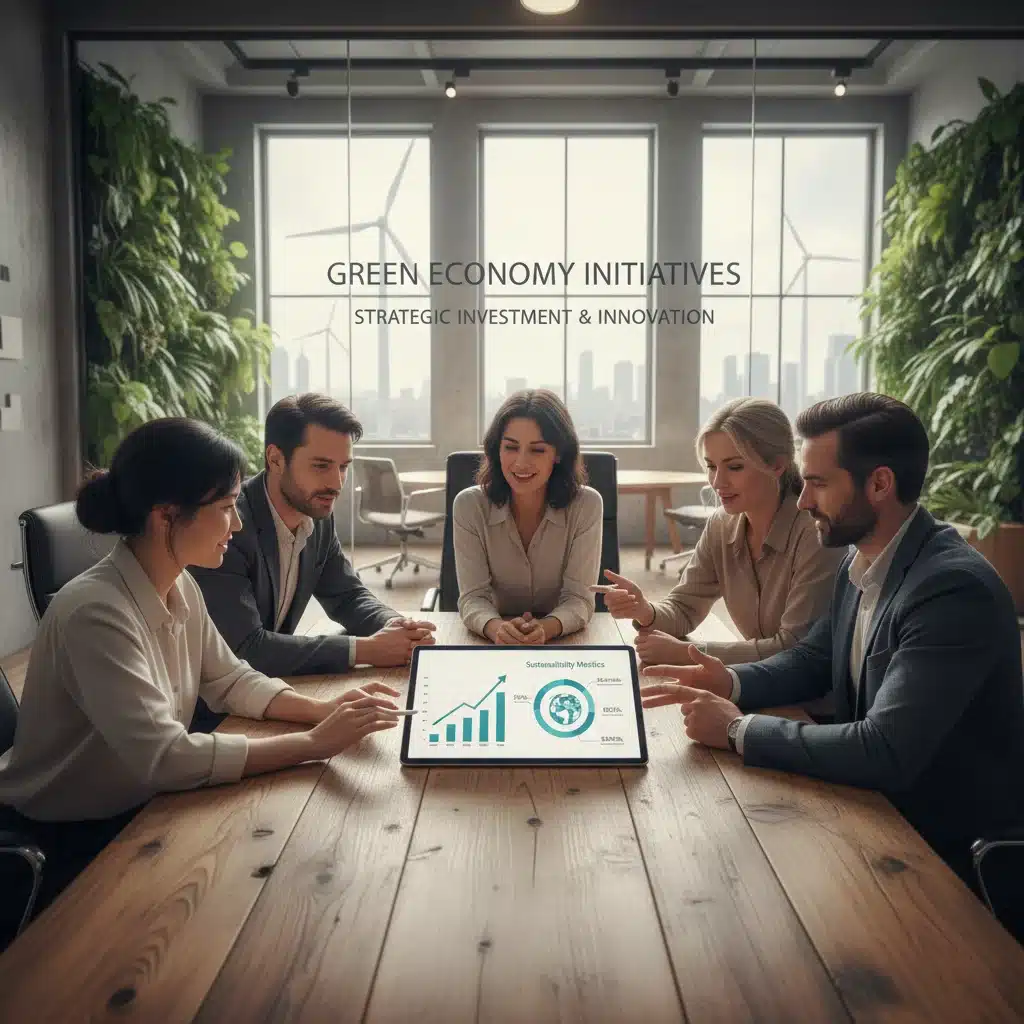
Begin by conducting a thorough assessment of your current operations and identifying areas where green practices can be implemented or enhanced. Look for opportunities to innovate with new sustainable products or services. This could involve:
- R&D Investment: Dedicate resources to developing cutting-edge green technologies or improving existing ones.
- Partnerships: Collaborate with research institutions, startups, or other businesses in the green sector to share expertise and resources.
- Skill Development: Invest in training your workforce in green skills and technologies to stay competitive.
2. Accessing Funding and Incentives
Actively seek out the various funding mechanisms available for the green economy USA. This requires diligent research and often, expert guidance:
- Grant Applications: Identify federal, state, and local grants relevant to your green initiatives.
- Tax Credits and Rebates: Understand and leverage available tax incentives for clean energy, energy efficiency, and sustainable manufacturing.
- Green Loans and Bonds: Explore specialized financial products from banks and investment firms that support sustainable projects.
- Venture Capital and Private Equity: Pitch your sustainable business model to investors specializing in green tech and ESG funds.
A well-prepared business plan outlining environmental impact, financial projections, and alignment with national sustainability goals will significantly increase your chances of securing funding.
3. Building a Sustainable Brand and Supply Chain
Consumers and investors are increasingly prioritizing sustainability. Building a strong green brand image can differentiate your business:
- Transparency: Clearly communicate your environmental efforts and achievements to stakeholders.
- Certifications: Obtain relevant sustainability certifications (e.g., LEED for buildings, B Corp for social and environmental performance).
- Sustainable Sourcing: Work with suppliers who also adhere to sustainable practices, reducing your overall environmental footprint.
- Circular Practices: Design products for durability, repairability, and recyclability, promoting a circular economy approach.
A genuinely sustainable brand resonates with conscious consumers and can command a premium in the market.
4. Policy Advocacy and Engagement
Stay informed about evolving environmental regulations and policies. Engaging with policymakers can help shape a favorable business environment for the green economy USA:
- Industry Associations: Join and actively participate in green industry associations to advocate for supportive policies.
- Pilot Programs: Volunteer your business for pilot programs related to new green technologies or policies.
- Provide Feedback: Offer insights to government bodies on the practical implications of proposed environmental legislation.
Being proactive in policy engagement ensures your business is well-positioned for future regulatory changes and opportunities.
Challenges and Considerations in the Green Economy USA
While the opportunities are vast, businesses entering or expanding within the green economy USA must also be aware of potential challenges:
- Regulatory Complexity: The landscape of environmental regulations can be complex and vary by state. Navigating these requires expertise.
- Supply Chain Disruptions: Building new, sustainable supply chains can face challenges related to raw material availability, logistics, and cost.
- Initial Capital Investment: While funding is available, the upfront costs for transitioning to green technologies can still be significant.
- Technological Uncertainty: Some green technologies are still evolving, carrying inherent risks related to performance, scalability, and long-term viability.
- Greenwashing Scrutiny: Consumers and regulators are increasingly discerning. Businesses must ensure their sustainability claims are genuine and verifiable to avoid accusations of greenwashing.
Addressing these challenges proactively through thorough due diligence, robust risk management, and genuine commitment to sustainability will be crucial for long-term success.
The Long-Term Vision: Beyond 2026
The $50 billion in new funding for 2026 is not an endpoint but a significant milestone in the ongoing development of the green economy USA. The long-term vision extends to a fully decarbonized, resilient, and equitable economy. Businesses that invest now, innovate continuously, and embed sustainability into their core values will be the leaders of tomorrow.
The transition to a green economy represents a fundamental shift in how goods are produced, services are delivered, and value is created. It’s a shift that promises not only environmental benefits but also economic stability, job creation, and enhanced national competitiveness. By embracing the principles of the green economy USA, businesses can contribute to a healthier planet while simultaneously securing their own prosperity.
Conclusion: A Green Horizon for American Business
The green economy USA stands at a pivotal moment, with $50 billion in new funding set to unlock unprecedented opportunities for businesses in 2026. This capital injection, coupled with growing consumer demand and technological advancements, is creating a fertile ground for innovation and sustainable growth across diverse sectors from renewable energy to circular economy solutions.
For forward-thinking enterprises, the message is clear: the time to invest in, adapt to, and lead within the green economy is now. By strategically planning, actively seeking funding, building sustainable brands, and engaging with policy, businesses can not only reap significant financial rewards but also play a crucial role in building a more sustainable and prosperous future for the United States. The green horizon is not just approaching; it’s here, and it’s brimming with potential for those ready to seize it.