US Renewable Energy: 2026 Opportunities & Challenges
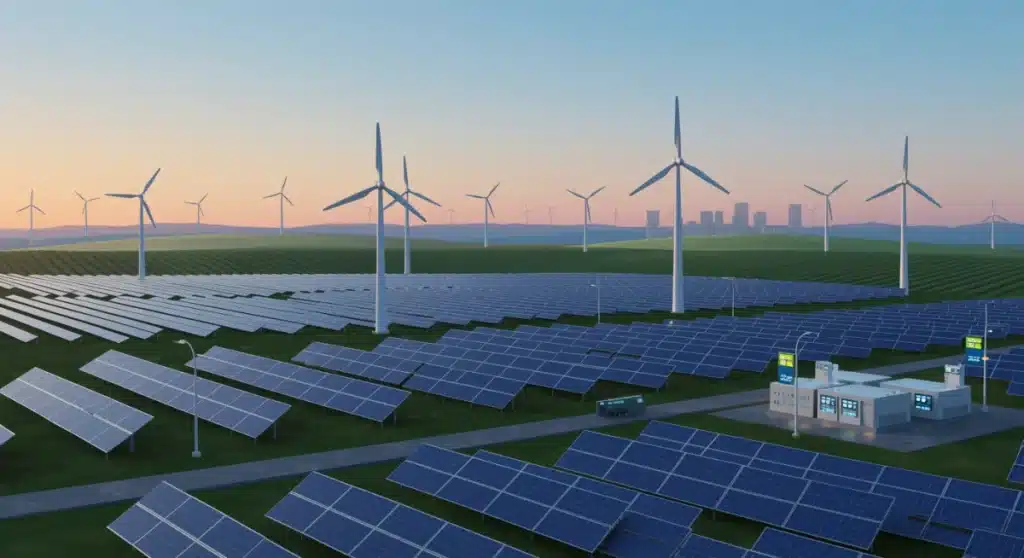
The 2026 energy transition in the US is characterized by significant business opportunities in renewable sectors like solar, wind, and storage, alongside critical challenges in infrastructure, financing, and regulatory frameworks.
The year 2026 marks a pivotal moment for US Renewable Energy Transition, as the nation accelerates its shift towards sustainable power sources. This transformation isn’t just an environmental imperative; it’s a dynamic economic landscape, brimming with both unprecedented business opportunities and complex challenges. Understanding these facets is crucial for investors, innovators, and policymakers alike, as the United States solidifies its commitment to a greener, more resilient energy future.
The Accelerating Pace of Renewable Adoption in the US
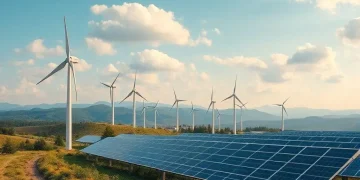
The adoption of renewable energy technologies across the United States is no longer a gradual shift but a rapid acceleration. Driven by technological advancements, decreasing costs, and supportive policy frameworks, solar and wind power continue to expand their footprint, displacing traditional fossil fuels at an impressive rate. This momentum is creating a fertile ground for new businesses and expanding existing ones, signaling a profound reorientation of the nation’s energy infrastructure.
Government incentives, alongside growing corporate sustainability goals, are vital catalysts. The Inflation Reduction Act (IRA) of 2022, for instance, has significantly bolstered investment in domestic renewable energy manufacturing and deployment, providing long-term certainty for developers and investors. This policy stability is critical for attracting the substantial capital required for large-scale projects.
Key Drivers of Renewable Growth
- Cost Competitiveness: Solar and wind are now often the cheapest forms of new electricity generation.
- Technological Innovation: Advances in panel efficiency, turbine design, and smart grid technologies enhance performance.
- Policy Support: Federal and state incentives, tax credits, and mandates continue to fuel development.
- Corporate Demand: Major corporations are increasingly committing to 100% renewable energy targets.
The pace of renewable adoption is reshaping regional economies, particularly in states rich in solar irradiation or wind resources. This localized growth fosters job creation and economic development, extending beyond the direct energy sector to related industries like manufacturing, construction, and specialized services. The increasing scale of projects also drives economies of scale, further reducing costs and making renewables even more attractive.
Emerging Business Opportunities in Solar and Wind Sectors
The expansion of solar and wind energy presents a plethora of business opportunities, ranging from large-scale utility projects to decentralized community initiatives. Investors are finding new avenues in project development, manufacturing, and the provision of specialized services. The sheer scale of the energy transition demands innovation across the entire value chain.
In the solar sector, opportunities abound in advanced photovoltaic (PV) manufacturing, concentrating solar power (CSP) technologies, and integrated solar solutions for commercial and residential buildings. The demand for installers, maintenance technicians, and specialized software for monitoring and optimization is also skyrocketing. Similarly, the wind sector is seeing growth in offshore wind development, advanced turbine components, and data analytics for predictive maintenance.
Areas of Investment and Growth
- Utility-Scale Project Development: Large solar farms and wind parks requiring significant capital and expertise.
- Distributed Generation: Rooftop solar, community solar, and small-scale wind for localized power.
- Component Manufacturing: Production of solar panels, inverters, wind turbine blades, and generators within the US.
- Operations and Maintenance (O&M): Specialized services for keeping renewable assets running efficiently.
Beyond direct energy generation, the indirect opportunities are equally significant. This includes the development of new financial instruments for renewable projects, specialized insurance products, and consulting services for navigating complex regulatory landscapes. The need for skilled labor also opens doors for educational institutions and vocational training programs, creating a robust ecosystem around renewable energy.
The Critical Role of Energy Storage Solutions
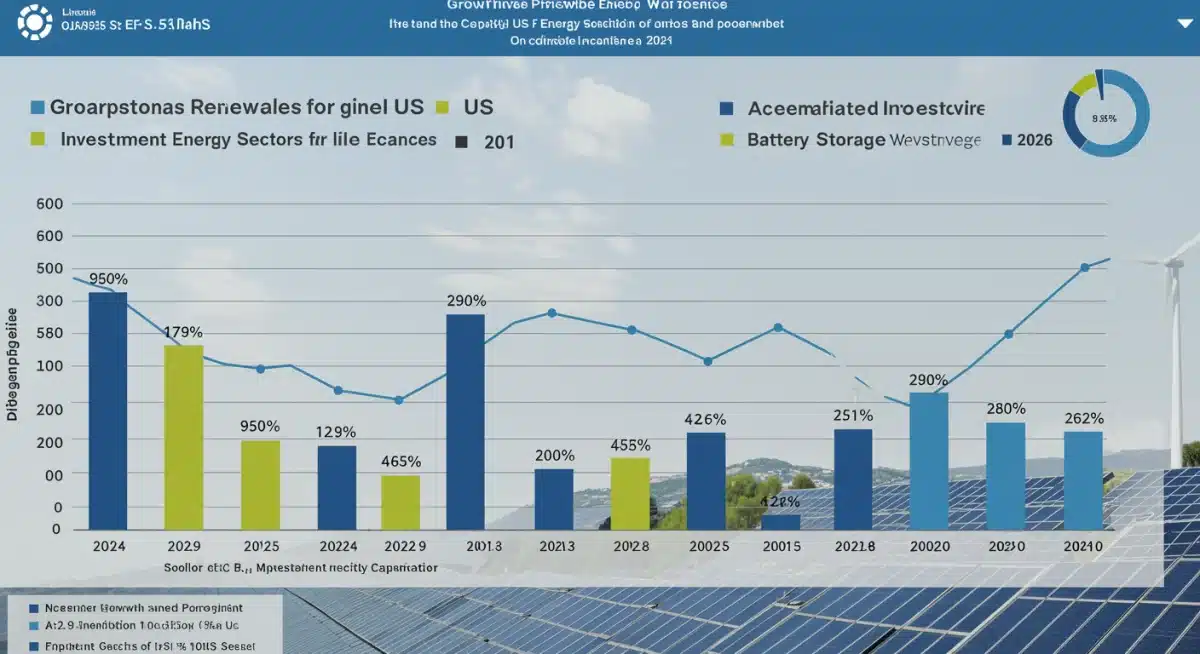
As solar and wind power become more prevalent, the intermittency of these sources necessitates robust energy storage solutions. Battery storage, in particular, is emerging as a cornerstone of the modern grid, providing stability, reliability, and the ability to dispatch renewable energy even when the sun isn’t shining or the wind isn’t blowing. This sector is witnessing explosive growth and innovation.
Lithium-ion batteries currently dominate the market, but research and development into alternative technologies, such as flow batteries, solid-state batteries, and even hydrogen-based storage, are accelerating. These innovations aim to improve energy density, reduce costs, and enhance safety and longevity. The integration of storage with renewable generation projects is becoming standard practice, creating a unified energy system.
Expanding Storage Applications
- Grid-Scale Storage: Large battery installations to balance supply and demand on the main grid.
- Behind-the-Meter Storage: Batteries for homes and businesses to optimize self-consumption and provide backup power.
- Electric Vehicle (EV) Integration: Utilizing EV batteries for grid services (Vehicle-to-Grid, V2G) and smart charging.
- Long-Duration Storage: Technologies designed to store energy for days or weeks, addressing seasonal variability.
The rise of energy storage also creates opportunities in smart grid management systems, artificial intelligence-driven forecasting, and optimization software. These technologies are essential for maximizing the value of stored energy and ensuring efficient grid operation. The development of domestic battery manufacturing capabilities is also a strategic priority, reducing reliance on foreign supply chains and creating local jobs.
Navigating the Challenges: Grid Modernization and Infrastructure
While opportunities abound, the US renewable energy transition faces significant challenges, particularly concerning grid modernization and infrastructure development. The existing electrical grid, largely designed for centralized fossil fuel generation, is not inherently suited for the distributed and intermittent nature of renewables. Upgrading and expanding this infrastructure is a monumental undertaking.
Interconnection queues for new renewable projects are often long and complex, delaying deployment and increasing costs. The need for new transmission lines to carry renewable energy from remote generation sites to demand centers is critical, but faces hurdles such as permitting, land acquisition, and local opposition. Without a modernized grid, the full potential of renewable energy cannot be realized.
Key Infrastructure Hurdles
- Aging Grid: Many components of the US grid are decades old and require significant upgrades.
- Transmission Bottlenecks: Insufficient capacity to move renewable electricity from generation to consumption points.
- Interconnection Delays: Protracted processes for connecting new renewable projects to the grid.
- Cybersecurity Threats: Protecting a more complex and digitized grid from cyberattacks is paramount.
Financing grid modernization also presents a challenge, requiring substantial public and private investment. Regulatory frameworks need to adapt to incentivize these upgrades and streamline the planning and approval processes. Collaborative efforts between utilities, regulators, and renewable energy developers are essential to overcome these infrastructure obstacles and ensure a reliable and resilient energy system for 2026 and beyond.
Supply Chain Vulnerabilities and Domestic Manufacturing
The global nature of renewable energy supply chains, particularly for critical components like solar panels, wind turbine parts, and battery raw materials, presents another significant challenge. Geopolitical tensions, trade disputes, and natural disasters can disrupt these chains, leading to price volatility and project delays. This vulnerability highlights the importance of fostering domestic manufacturing capabilities.
The US government has recognized this issue, implementing policies aimed at reshoring manufacturing and diversifying supply sources. However, building out a robust domestic supply chain for renewable energy components requires substantial investment, skilled labor development, and sustained policy support. This is a long-term endeavor, but one that is crucial for energy security and economic resilience.
Addressing Supply Chain Issues
- Reshoring Manufacturing: Incentivizing domestic production of solar cells, modules, and battery components.
- Diversifying Sourcing: Reducing reliance on single countries for critical materials and components.
- Circular Economy Principles: Promoting recycling and reuse of materials to reduce demand for virgin resources.
- Skilled Workforce Development: Training programs to meet the demands of a growing domestic manufacturing sector.
Beyond manufacturing, the ethical sourcing of raw materials, particularly for batteries, is gaining increasing attention. Ensuring that materials like cobalt and lithium are extracted responsibly and sustainably adds another layer of complexity to the supply chain challenge. Companies are increasingly focused on transparency and traceability to meet consumer and regulatory expectations.
Policy Landscape and Future Outlook for 2026
The policy landscape in 2026 will continue to shape the trajectory of the US renewable energy transition. While federal policies like the IRA provide a strong foundation, state-level initiatives, mandates, and regulatory decisions play a critical role in driving localized growth and addressing specific regional challenges. Consistency and predictability in policy are key for long-term investment and planning.
Looking ahead, there is a clear trend towards greater integration of renewable energy into all aspects of the economy, including transportation and industrial processes. The electrification of vehicles, coupled with the production of green hydrogen using renewable electricity, represents massive future opportunities. However, these advancements will require continued policy support, technological breakthroughs, and significant infrastructure investments.
Key Policy Considerations
- Long-Term Policy Stability: Consistent federal and state support to ensure investor confidence.
- Streamlined Permitting: Expediting approval processes for renewable projects and transmission lines.
- Market Design Evolution: Adapting electricity markets to better integrate and value renewable energy.
- Research and Development Funding: Continued investment in next-generation renewable and storage technologies.
The future outlook for the US renewable energy transition in 2026 remains overwhelmingly positive, despite the inherent challenges. The combination of technological innovation, economic competitiveness, and strong policy tailwinds suggests continued growth and transformation. Success will hinge on effective collaboration between government, industry, and communities to build a sustainable and prosperous energy future.
| Key Aspect | Description |
|---|---|
| Business Opportunities | Significant growth in solar, wind, and energy storage project development, manufacturing, and O&M services. |
| Key Challenges | Grid modernization, supply chain vulnerabilities, and complex regulatory hurdles. |
| Policy Impact | Federal and state policies, like the IRA, are crucial for incentivizing investment and deployment. |
| Future Outlook | Continued growth and integration of renewables into broader economic sectors like transport and industry. |
Frequently Asked Questions About the 2026 Energy Transition
The primary drivers include declining costs of solar and wind technologies, strong federal and state policy support like the IRA, increasing corporate sustainability commitments, and growing public demand for clean energy solutions to combat climate change and enhance energy security.
Promising opportunities lie in utility-scale solar and wind project development, domestic manufacturing of renewable components, advanced energy storage solutions, smart grid technologies, and specialized operations and maintenance services for renewable assets.
Key challenges include modernizing and expanding the aging electrical grid, resolving supply chain vulnerabilities for critical materials, streamlining complex permitting and interconnection processes, and ensuring consistent long-term policy support at all levels of government.
Energy storage is critically important. It addresses the intermittency of solar and wind power, enabling grid stability, reliability, and the continuous dispatch of renewable energy. It is essential for maximizing the value and integration of renewable sources into the national grid.
Government policies are fundamental. They provide financial incentives, establish regulatory frameworks, set renewable portfolio standards, and fund research and development. Policies create the stable environment necessary to attract investment and accelerate the deployment of clean energy technologies.
Conclusion
The 2026 US energy transition represents a profound and irreversible shift towards a sustainable energy future. While the journey is complex, marked by significant challenges in infrastructure, supply chains, and regulatory alignment, the opportunities for innovation, investment, and economic growth are immense. The continued expansion of solar, wind, and energy storage technologies, supported by robust policy frameworks, positions the United States at the forefront of the global clean energy revolution. Navigating this landscape successfully will require dynamic collaboration, strategic planning, and a sustained commitment to building a resilient, decarbonized energy system for generations to come.