US Manufacturing Outlook 2026: Automation’s 12% Productivity Boost
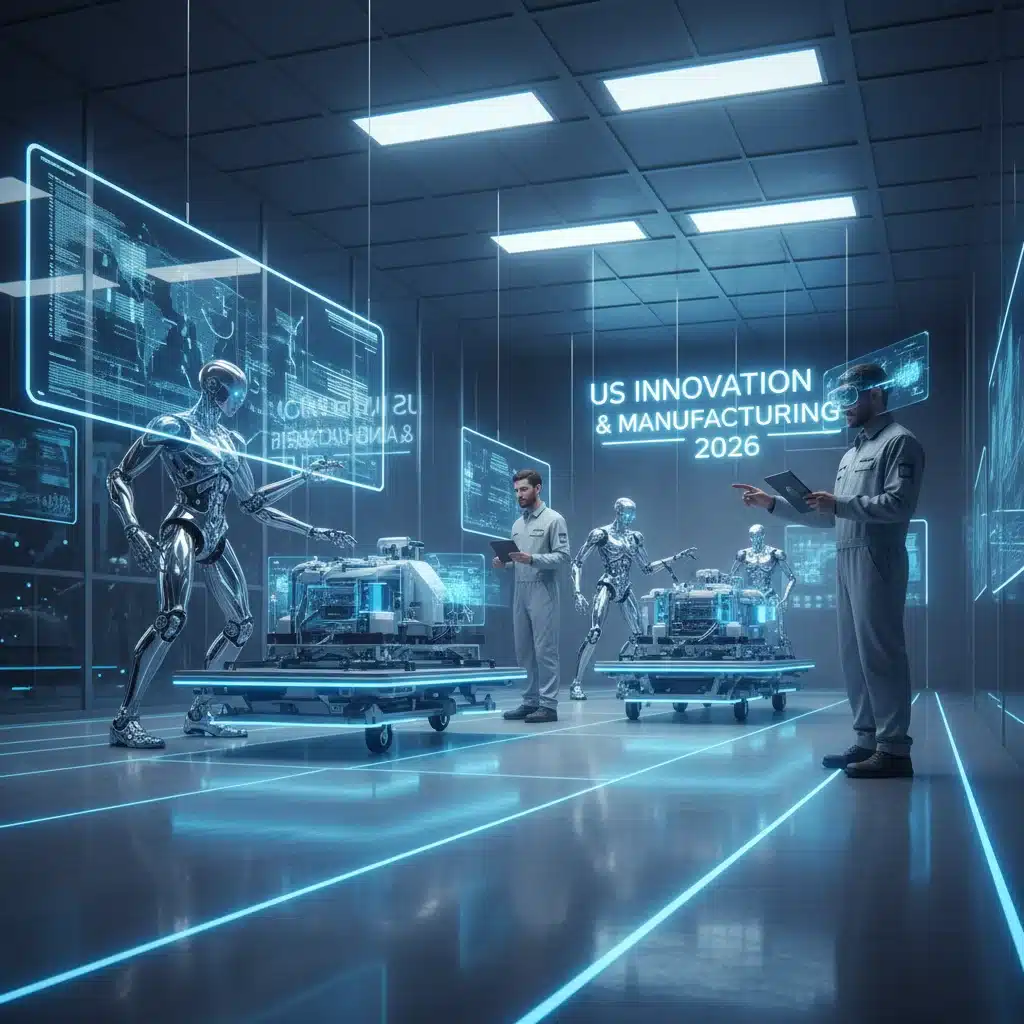
US Manufacturing’s Future: A 12% Productivity Surge Driven by Automation by 2026
The landscape of US manufacturing is undergoing a profound transformation, driven by an accelerating wave of technological innovation. As we approach 2026, the sector is poised for unprecedented growth, with automation emerging as the primary catalyst for a projected 12% boost in productivity. This isn’t merely an incremental improvement; it represents a fundamental shift in how goods are produced, how supply chains operate, and how the US positions itself in the global economic arena. The promise of US manufacturing automation extends beyond mere efficiency gains, encompassing enhanced quality, reduced waste, and a more resilient industrial base.
For decades, the narrative surrounding US manufacturing often focused on offshore production and the decline of domestic industrial might. However, a confluence of factors – including geopolitical shifts, a renewed emphasis on supply chain resilience, and rapid advancements in robotics, artificial intelligence (AI), and the Internet of Things (IoT) – has ignited a renaissance. This article delves into the core drivers of this productivity surge, explores the key technologies at play, examines the challenges and opportunities, and outlines the strategic imperatives for businesses and policymakers to fully capitalize on this transformative era in US manufacturing automation.
The projected 12% productivity increase by 2026 is a conservative estimate, reflecting the compounding effects of various automation technologies. This growth isn’t uniform across all sub-sectors; industries like automotive, aerospace, electronics, and medical devices are likely to lead the charge, given their existing investments in advanced manufacturing techniques and their high-volume, precision-driven requirements. Small and medium-sized enterprises (SMEs) are also increasingly adopting automation, often through more accessible and flexible solutions, democratizing access to these powerful tools.
The Core Drivers of Automation in US Manufacturing
Several critical factors are propelling the rapid adoption of automation within US manufacturing, paving the way for significant productivity enhancements. Understanding these drivers is essential for grasping the full scope of this industrial evolution.
Addressing Labor Shortages and Skills Gaps
One of the most persistent challenges facing US manufacturing has been a chronic shortage of skilled labor. An aging workforce, coupled with a perception that manufacturing jobs are dirty or undesirable, has created significant gaps. Automation, particularly collaborative robots (cobots) and AI-driven systems, can fill these voids by handling repetitive, dangerous, or physically demanding tasks. This frees human workers to focus on higher-value activities such as programming, maintenance, quality control, and innovation. The investment in US manufacturing automation is, in many ways, an investment in upskilling the existing workforce and attracting new talent to a more technologically advanced industry.
Enhancing Efficiency and Reducing Costs
At its heart, automation is about doing more with less. Automated systems operate with greater speed, precision, and consistency than human workers, leading to higher output rates and fewer errors. This translates directly into reduced production costs, lower scrap rates, and improved product quality. For example, robots can work 24/7 without fatigue, significantly increasing throughput. Predictive maintenance, enabled by IoT sensors and AI, can minimize downtime by identifying potential equipment failures before they occur, further boosting operational efficiency and contributing to the overall productivity of US manufacturing automation.
Boosting Competitiveness and Reshoring Initiatives
For years, lower labor costs in other countries drove manufacturing offshore. Automation is fundamentally altering this economic equation. By significantly reducing the labor component of production costs and improving overall efficiency, US manufacturers can become more competitive on a global scale. This competitiveness, combined with a desire for more resilient supply chains and reduced lead times, is fueling a growing trend of reshoring – bringing manufacturing operations back to the United States. Automation makes domestic production economically viable and attractive once again, strengthening the national industrial base.
Improving Quality and Consistency
Human error is an unavoidable aspect of any manual process. Automated systems, when properly programmed and maintained, can perform tasks with near-perfect consistency and precision. This is particularly crucial in industries requiring high tolerances and stringent quality standards, such as aerospace, medical devices, and advanced electronics. Improved quality not only reduces rework and waste but also enhances brand reputation and customer satisfaction, both key contributors to long-term business success and directly linked to the efficacy of US manufacturing automation.
Enabling Customization and Flexibility
Modern consumers demand personalized products and rapid innovation. Traditional manufacturing lines are often rigid and expensive to reconfigure. Advanced automation, particularly flexible manufacturing systems (FMS) and agile robotics, allows for quick changes in production lines, enabling manufacturers to produce a wider variety of products in smaller batches. This flexibility is critical for responding to dynamic market demands and supporting mass customization strategies, further solidifying the role of US manufacturing automation.
Key Technologies Driving the 12% Productivity Boost
The projected productivity gains are not the result of a single technology but rather a synergistic combination of several cutting-edge innovations working in concert. These technologies form the backbone of the modern automated factory.
Robotics and Collaborative Robots (Cobots)
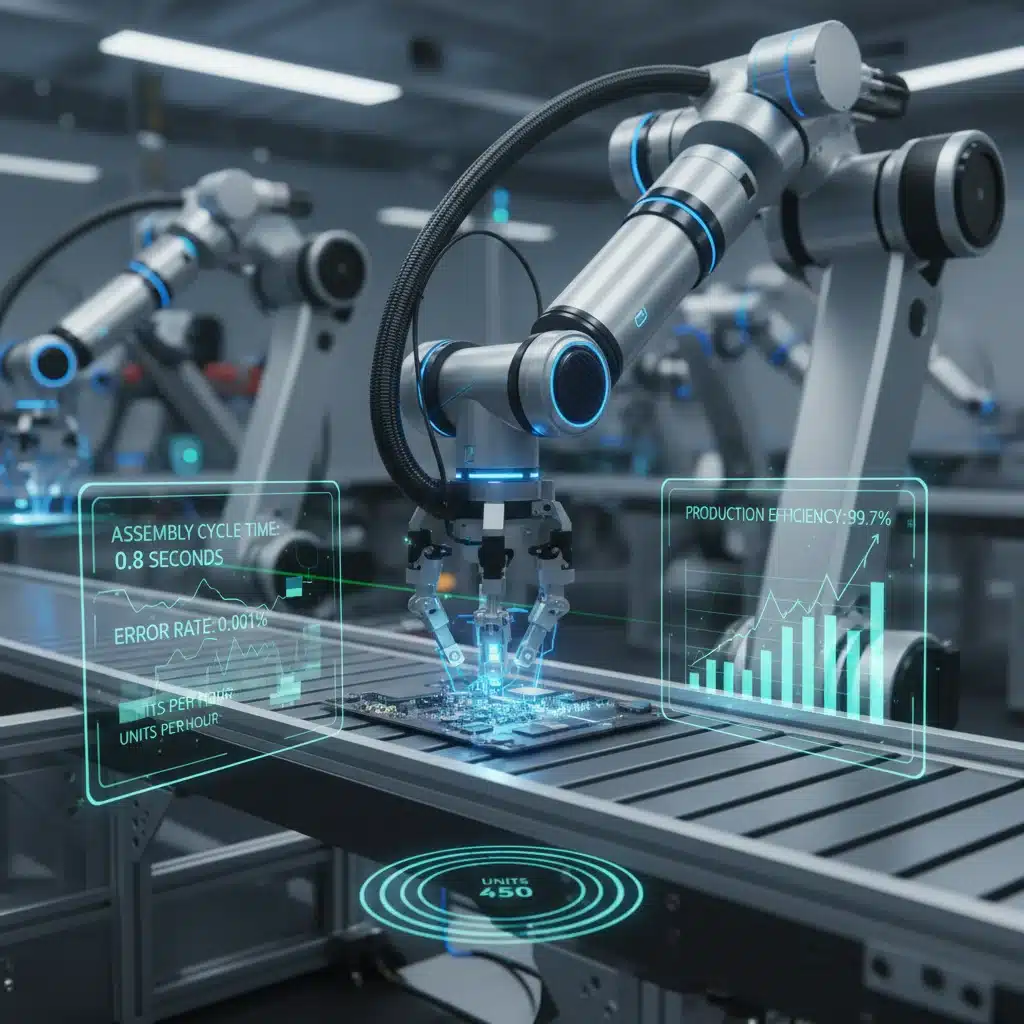
Industrial robots have been a staple in manufacturing for decades, but recent advancements have made them more versatile, intelligent, and affordable. Cobots, designed to work safely alongside human operators without cages, are particularly transformative. They can assist with tasks like material handling, assembly, and quality inspection, augmenting human capabilities rather than replacing them entirely. This human-robot collaboration is a cornerstone of the new era of US manufacturing automation.
Artificial Intelligence (AI) and Machine Learning (ML)
AI and ML are revolutionizing every aspect of manufacturing. From predictive maintenance that anticipates equipment failure to optimizing production schedules and supply chain logistics, AI algorithms can analyze vast datasets to identify patterns and make intelligent decisions. Quality control systems powered by AI can detect defects with greater accuracy and speed than human inspectors. Generative AI is even being used in product design, accelerating innovation cycles. The integration of AI into US manufacturing automation is creating a truly ‘smart’ factory.
Internet of Things (IoT) and Industrial IoT (IIoT)
The IoT connects machines, sensors, and devices across the factory floor, enabling real-time data collection and communication. IIoT platforms gather data on machine performance, environmental conditions, and production metrics, providing manufacturers with unprecedented visibility into their operations. This data forms the foundation for AI-driven analytics, allowing for continuous optimization, proactive problem-solving, and more efficient resource allocation. The insights derived from IIoT are instrumental in achieving the 12% productivity boost in US manufacturing automation.
Additive Manufacturing (3D Printing)
While not strictly automation in the traditional sense, additive manufacturing plays a crucial role by enabling rapid prototyping, custom tooling, and the production of complex parts with reduced material waste. When integrated into an automated workflow, 3D printing can streamline product development cycles and facilitate on-demand manufacturing, adding another layer of flexibility and efficiency to US manufacturing automation.
Advanced Data Analytics and Cloud Computing
The sheer volume of data generated by modern factories requires sophisticated analytics tools and robust cloud infrastructure. Cloud computing provides the scalable processing power and storage needed to analyze IIoT data and run complex AI models. Advanced analytics transforms raw data into actionable insights, helping manufacturers make informed decisions about everything from energy consumption to production line bottlenecks. This data-driven approach is critical for unlocking the full potential of US manufacturing automation.
Impact on the Workforce and the Future of Work
The rise of US manufacturing automation inevitably sparks questions about its impact on jobs. While some roles may be displaced, the overall trend is expected to be one of transformation rather than outright elimination. New job categories will emerge, requiring different skill sets, and existing roles will evolve.
Upskilling and Reskilling Initiatives
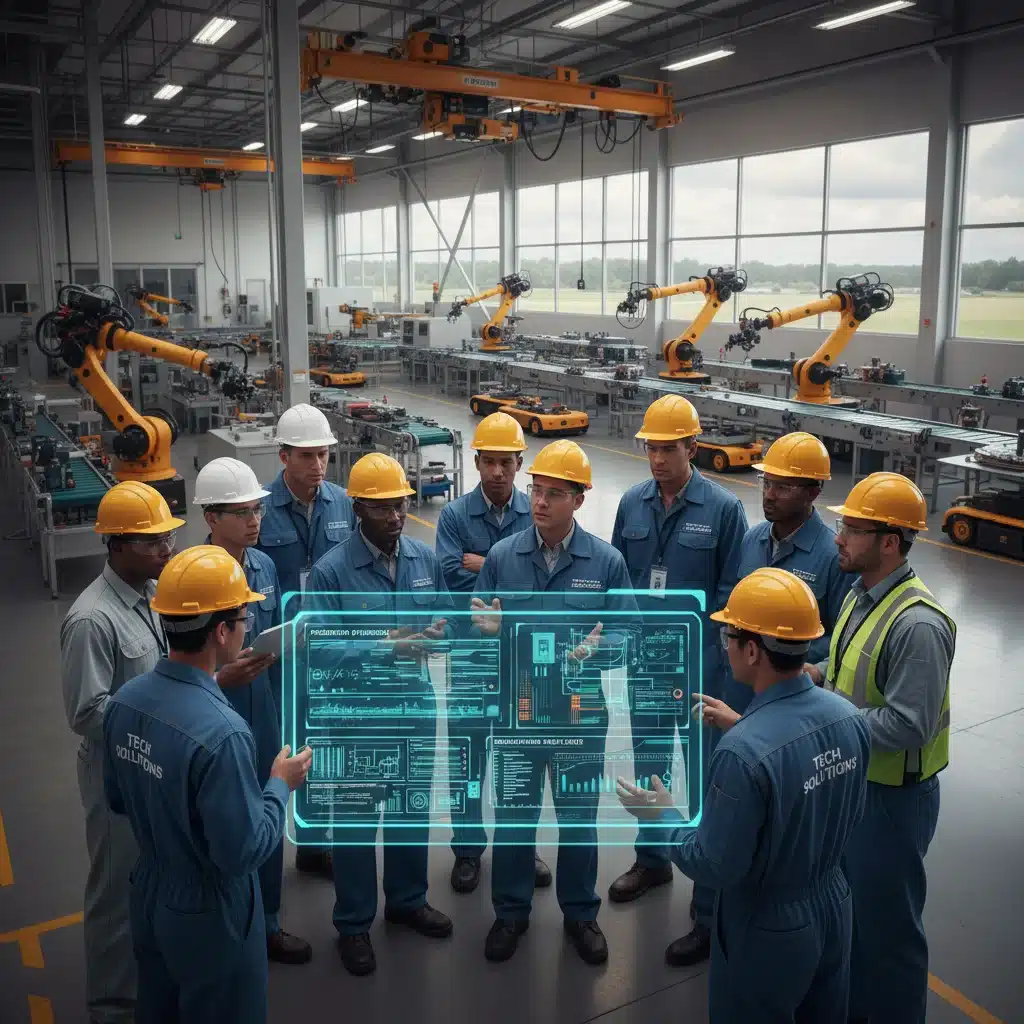
To navigate this transition successfully, significant investment in workforce development will be crucial. Manufacturers will need to implement comprehensive upskilling and reskilling programs to train employees in areas such as robotics programming, data analytics, AI system maintenance, and cybersecurity. Government agencies, educational institutions, and industry associations will play a vital role in creating accessible training pathways that prepare the workforce for the demands of automated manufacturing.
Human-Robot Collaboration
The future factory will likely feature a symbiotic relationship between humans and machines. Cobots will handle mundane or hazardous tasks, allowing human workers to supervise, troubleshoot, innovate, and perform tasks that require complex problem-solving, creativity, and nuanced decision-making. This collaborative environment will enhance overall productivity and create safer, more engaging workplaces, directly contributing to the success of US manufacturing automation.
Creation of New Roles
Automation will create entirely new job functions. We will see increased demand for robot technicians, AI specialists, data scientists, cybersecurity analysts, and automation engineers. These high-skilled, high-paying jobs will contribute to a more robust and technologically advanced workforce, underscoring the positive long-term impact of US manufacturing automation.
Challenges and Considerations for Widespread Adoption
While the benefits of US manufacturing automation are clear, several challenges must be addressed to ensure its widespread and equitable adoption.
Initial Investment Costs
Implementing advanced automation technologies can require significant upfront capital investment. This can be a barrier for smaller manufacturers, even though the long-term return on investment is often substantial. Government incentives, favorable financing options, and ‘as-a-service’ models for automation solutions can help mitigate this challenge.
Technical Integration Complexity
Integrating diverse automation systems, legacy equipment, and various software platforms can be complex. Manufacturers often face challenges in ensuring interoperability and creating a seamless digital thread across their operations. The availability of skilled integration specialists and standardized protocols will be crucial.
Cybersecurity Risks
As factories become more connected and reliant on digital systems, they also become more vulnerable to cyberattacks. Protecting intellectual property, operational data, and control systems from malicious actors is paramount. Robust cybersecurity measures must be an integral part of any automation strategy for US manufacturing automation.
Ethical Implications of AI and Automation
The deployment of AI in manufacturing raises ethical questions related to data privacy, algorithmic bias, and decision-making autonomy. Establishing clear ethical guidelines and regulatory frameworks will be important to build trust and ensure responsible innovation in US manufacturing automation.
Workforce Adaptation and Social Impact
Managing the transition for the existing workforce is a critical social responsibility. Proactive communication, robust training programs, and support for displaced workers are essential to minimize negative social impacts and ensure a just transition to a more automated manufacturing sector.
Strategic Imperatives for US Manufacturers
To fully leverage the potential of a 12% productivity boost through US manufacturing automation, businesses and policymakers must adopt strategic imperatives.
Embrace a Digital Transformation Mindset
Manufacturers must view automation not just as a series of technology purchases but as a holistic digital transformation journey. This involves reimagining processes, fostering a culture of innovation, and committing to continuous learning and adaptation. A comprehensive digital strategy is key to success in US manufacturing automation.
Invest in Workforce Development
Prioritizing employee training and upskilling is non-negotiable. Companies should partner with educational institutions, offer internal training programs, and provide pathways for workers to acquire new skills relevant to automated environments. This investment in human capital is as crucial as investment in technology.
Foster Collaboration and Partnerships
Collaboration between manufacturers, technology providers, research institutions, and government agencies can accelerate innovation and address common challenges. Sharing best practices, developing industry standards, and pooling resources can create a more robust ecosystem for US manufacturing automation.
Focus on Data-Driven Decision Making
Leveraging the vast amounts of data generated by automated systems is paramount. Manufacturers need to invest in data analytics capabilities and cultivate a data-driven culture to optimize operations, improve product quality, and identify new business opportunities. This analytical prowess is a hallmark of successful US manufacturing automation.
Prioritize Cybersecurity
Integrate cybersecurity from the design phase of any new automation system. Regular audits, employee training on cyber hygiene, and investment in advanced security solutions are essential to protect critical infrastructure and sensitive data in the era of US manufacturing automation.
Looking Ahead: The Beyond 2026 Vision
The 12% productivity boost by 2026 is just the beginning. Beyond this horizon, the trajectory for US manufacturing automation points towards even deeper integration and more sophisticated capabilities. We can anticipate:
- Hyper-personalization: Manufacturing systems capable of producing highly individualized products at mass-production scale.
- Autonomous Factories: Facilities that operate with minimal human intervention, leveraging advanced AI for self-optimization and decision-making.
- Sustainable Manufacturing: Automation directly contributing to reduced energy consumption, waste minimization, and the use of eco-friendly materials through optimized processes.
- Augmented Reality (AR) and Virtual Reality (VR) in Training and Maintenance: immersive technologies revolutionizing how workers are trained and how maintenance is performed, offering real-time guidance and remote support.
- Decentralized Manufacturing: The rise of localized micro-factories, enabled by automation, bringing production closer to consumers and enhancing supply chain resilience.
The continued evolution of AI, quantum computing, and advanced materials science will further accelerate these trends, creating a manufacturing sector that is not only highly productive but also incredibly agile, resilient, and innovative. The commitment to US manufacturing automation today lays the groundwork for sustained economic growth and global leadership for decades to come.
Conclusion
The projected 12% productivity boost in US manufacturing by 2026, largely driven by automation, signals a new era of industrial prowess. This isn’t just about robots on a factory floor; it’s about a holistic transformation powered by AI, IoT, advanced data analytics, and a renewed focus on a skilled, adaptable workforce. While challenges related to investment, integration, and cybersecurity exist, the opportunities for enhanced competitiveness, reshoring, and innovation are immense.
For US manufacturers, embracing automation is no longer an option but a strategic imperative. By investing in technology, prioritizing workforce development, fostering collaboration, and adopting a forward-thinking mindset, the US can solidify its position as a global leader in advanced manufacturing, creating a more prosperous, resilient, and innovative economy for the future. The journey of US manufacturing automation is well underway, and its impact will resonate across the entire economic landscape.