Navigating 2026 US Crypto Tax Changes: What Investors Need to Know

Navigating the 2026 US Crypto Tax Landscape: 5 Key Changes Investors Must Know Now
The world of cryptocurrency is dynamic, innovative, and, increasingly, subject to rigorous regulatory scrutiny. As we approach 2026, the United States is poised to implement significant changes to its crypto tax framework, profoundly impacting investors, traders, and anyone interacting with digital assets. Understanding these shifts is not just about compliance; it’s about strategic financial planning and safeguarding your investments. The upcoming regulations, particularly those stemming from the Infrastructure Investment and Jobs Act (IIJA) of 2021, are set to redefine how US Crypto Tax 2026 is calculated, reported, and enforced. This comprehensive guide will delve into five critical changes every crypto investor must be aware of to navigate the evolving landscape successfully.
The Shifting Sands of Crypto Taxation: Why 2026 is a Crucial Year
For years, cryptocurrency operated in a relatively ambiguous tax environment. While the IRS issued guidance classifying virtual currency as property in 2014, the rapid innovation in the space often outpaced legislative clarity. This led to confusion, inconsistent reporting, and a significant ‘tax gap’ – the difference between taxes owed and taxes paid. Recognizing the burgeoning size of the crypto market and its potential for tax revenue, policymakers have moved to establish a more robust and comprehensive framework. The US Crypto Tax 2026 changes are largely driven by a desire to bring digital assets into parity with traditional financial instruments from a tax perspective, ensuring greater transparency and compliance.
The Infrastructure Investment and Jobs Act (IIJA), signed into law in November 2021, introduced several provisions that will fundamentally alter crypto tax reporting. While some aspects, like the broker reporting requirements, are slated to take effect in 2026, the preparatory work for these changes is already underway. This means investors need to start adjusting their record-keeping, understanding new definitions, and anticipating future obligations now. Proactive preparation will be key to avoiding penalties and optimizing tax outcomes.
Key Change 1: Enhanced Broker Reporting Requirements (Form 1099-B)
Perhaps the most significant change coming in 2026 is the expansion of broker reporting requirements. Under the IIJA, entities facilitating crypto transactions, such as exchanges and certain wallet providers, will be classified as ‘brokers’ and mandated to report detailed customer transaction information to the IRS, similar to how traditional stockbrokers report to their clients and the government via Form 1099-B.
What This Means for You:
- Automatic Reporting: Expect to receive Form 1099-B from your crypto exchanges and platforms. This form will detail your gross proceeds from sales, acquisitions, and other disposals of digital assets, and crucially, your cost basis (the original price you paid for the asset).
- IRS Visibility: The IRS will receive a copy of these 1099-B forms, giving them unprecedented visibility into individual crypto transactions. This significantly reduces the likelihood of underreporting or accidental omission.
- Basis Reporting: A critical aspect of this change is the requirement for brokers to report cost basis. This will make it easier for investors to calculate capital gains and losses accurately, but also means the IRS will have the data to cross-reference your reported basis.
- Impact on Non-US Exchanges: While the primary focus is on US-based brokers, the definition of a ‘broker’ could extend to foreign entities with substantial US users or those facilitating transactions for US persons. The reach of these regulations is still being clarified, but it’s prudent to assume broader applicability.
This change is designed to close the tax gap and ensure that capital gains from crypto are properly reported. For investors, it underscores the importance of accurate record-keeping even before 2026. If your broker doesn’t have accurate cost basis information for all your assets (especially those transferred from other platforms or acquired before the reporting mandate), you may need to provide it or face potential discrepancies with the IRS.
Key Change 2: Clarification of ‘Digital Asset’ and ‘Broker’ Definitions
To implement the new reporting requirements effectively, the IIJA also necessitated clearer definitions of what constitutes a ‘digital asset’ and who qualifies as a ‘broker.’ These definitions are crucial because they determine who is subject to the new rules and what types of crypto activities fall under the purview of tax reporting.
What This Means for You:
- Broad Definition of Digital Assets: The term ‘digital asset’ is intentionally broad, encompassing cryptocurrencies, stablecoins, NFTs, and potentially other tokenized assets that represent economic value and are recorded using cryptographically secured distributed ledger technology. This ensures that the regulations are future-proof to some extent, capturing new innovations in the space.
- Expanded ‘Broker’ Scope: The definition of a ‘broker’ is also expansive. It includes not just traditional crypto exchanges but also anyone who, for consideration, is responsible for regularly providing any service effectuating transfers of digital assets on behalf of another person. This could potentially include certain DeFi platforms, NFT marketplaces, payment processors, and even some wallet providers that facilitate trades.
- Exclusions: Importantly, the proposed regulations aim to exclude certain entities from the ‘broker’ definition, such as miners and stakers (who only validate transactions), hardware/software wallet providers (who don’t facilitate transfers), and decentralized autonomous organizations (DAOs) that are truly decentralized and do not have control over user assets. However, the precise line drawing remains a complex area.
These clarifications aim to reduce ambiguity but also broaden the net of taxable activities and responsible parties. Investors must understand that virtually any interaction with digital assets that results in a taxable event (like a sale, exchange, or disposition) will likely fall under these new reporting mandates. The expanded definitions will significantly streamline the IRS’s ability to track and tax crypto transactions, making US Crypto Tax 2026 compliance a more straightforward, albeit more transparent, process.
Key Change 3: Implications for Decentralized Finance (DeFi) and NFTs
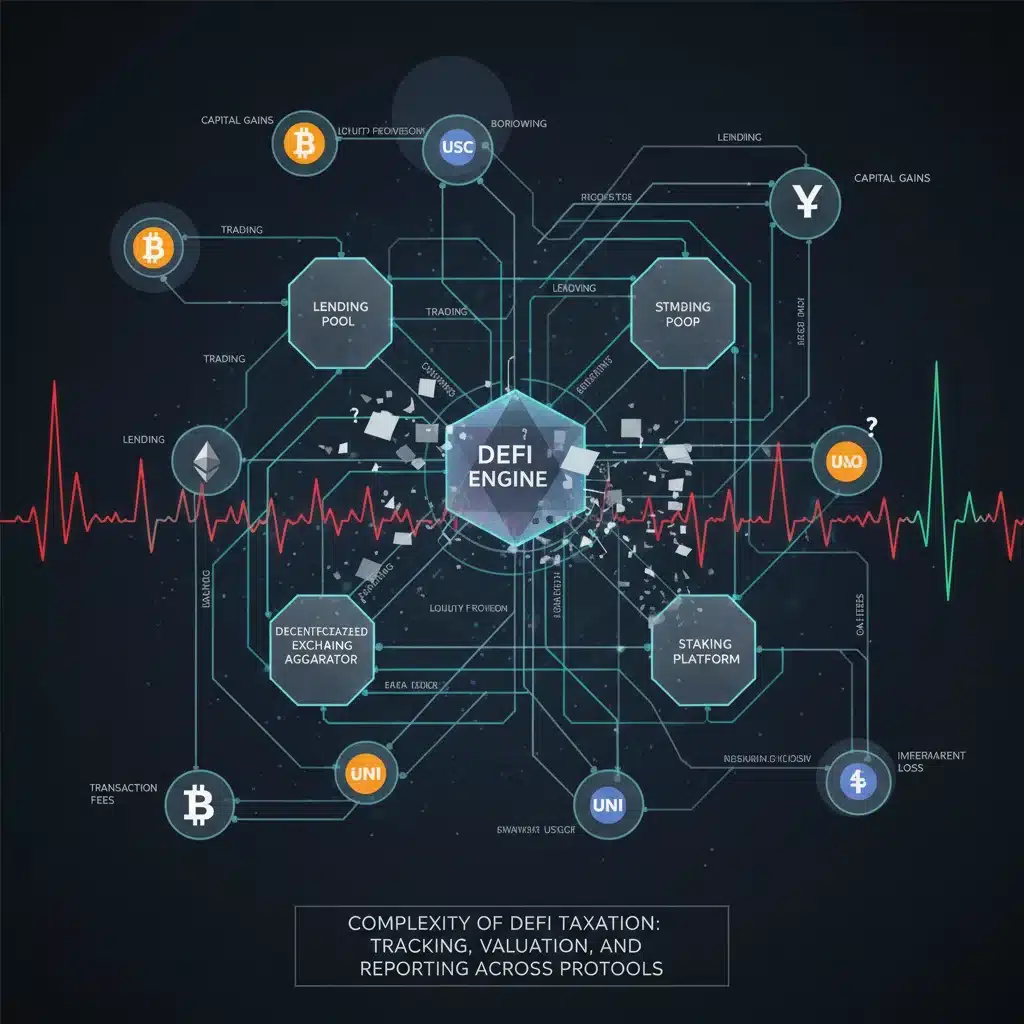
One of the most challenging areas for crypto taxation has been Decentralized Finance (DeFi) and Non-Fungible Tokens (NFTs) due to their unique structures and often pseudonymous nature. The 2026 changes, particularly the broadened ‘broker’ definition, are intended to bring more clarity and compliance to these sectors.
What This Means for You:
- DeFi Protocol Reporting: While truly decentralized protocols without intermediaries may still pose reporting challenges, platforms that bridge traditional finance with DeFi (e.g., centralized lending platforms, wrapped asset services) or those that exercise significant control over user assets could fall under the ‘broker’ definition. This means activities like lending, borrowing, providing liquidity, and yield farming might eventually be subject to 1099-B reporting from these centralized or semi-centralized entities.
- NFT Sales and Exchanges: The sale or exchange of NFTs is already a taxable event, typically treated as property for capital gains purposes. With the expanded broker reporting, major NFT marketplaces are likely to be classified as brokers and will be required to issue 1099-B forms for NFT sales, detailing gross proceeds and potentially cost basis.
- Record-Keeping is Paramount: For activities within truly decentralized DeFi protocols where no ‘broker’ is present, the onus of accurate record-keeping remains entirely on the individual. This includes tracking every transaction, its fair market value at the time of the transaction, and the cost basis of assets involved. Tools like blockchain explorers and specialized crypto tax software will become indispensable.
- Staking and Lending Income: The tax treatment of staking rewards and lending income (e.g., from DeFi protocols) continues to evolve. Generally, these are taxed as ordinary income at the fair market value at the time of receipt. The new reporting rules could lead to more consistent reporting of such income by platforms that facilitate these activities.
The intent is clear: to ensure that the economic activity generated by DeFi and NFTs does not escape taxation. Investors participating in these innovative sectors must be extra vigilant in their record-keeping and tax planning, anticipating increased scrutiny on US Crypto Tax 2026 for these complex transactions.
Key Change 4: Potential for Capital Gains Adjustments and Wash Sale Rules
While not explicitly part of the IIJA’s 2026 provisions, the increased scrutiny on crypto taxation could pave the way for further legislative changes, including adjustments to capital gains tax rates or the introduction of wash sale rules for digital assets. Currently, crypto is exempt from wash sale rules, which allows investors to sell an asset at a loss and immediately repurchase it to realize a tax deduction without significantly changing their market position.
What This Means for You:
- Watch for Wash Sale Rules: There’s ongoing discussion and legislative proposals to apply wash sale rules to cryptocurrencies, similar to stocks. If implemented, this would prevent investors from selling crypto at a loss and buying it back within 30 days to claim a tax deduction, thereby closing a popular tax-loss harvesting strategy.
- Capital Gains Rate Review: As the crypto market matures and generates substantial capital gains, there’s always a possibility that Congress could review and adjust capital gains tax rates, either generally or specifically for digital assets. While no immediate changes are on the horizon for 2026, it’s a factor to consider in long-term financial planning.
- Impact on Tax-Loss Harvesting: If wash sale rules are introduced, investors will need to significantly alter their tax-loss harvesting strategies for crypto. Instead of immediately repurchasing, they would need to wait the prescribed period (e.g., 30 days) or purchase a ‘substantially identical’ but different asset to avoid the wash sale rule.
These potential future changes highlight the dynamic nature of tax legislation. While the immediate focus is on broker reporting for US Crypto Tax 2026, investors should remain informed about ongoing legislative discussions that could impact their ability to minimize tax liabilities and optimize their portfolios. Proactive planning, including considering various tax scenarios, is advisable.
Key Change 5: Increased IRS Enforcement and Audit Risk
With greater visibility into crypto transactions through enhanced broker reporting, it’s highly probable that the IRS will ramp up its enforcement efforts and conduct more audits related to digital assets. The goal of these new regulations is not just to collect data, but to ensure that data translates into accurate tax payments.
What This Means for You:
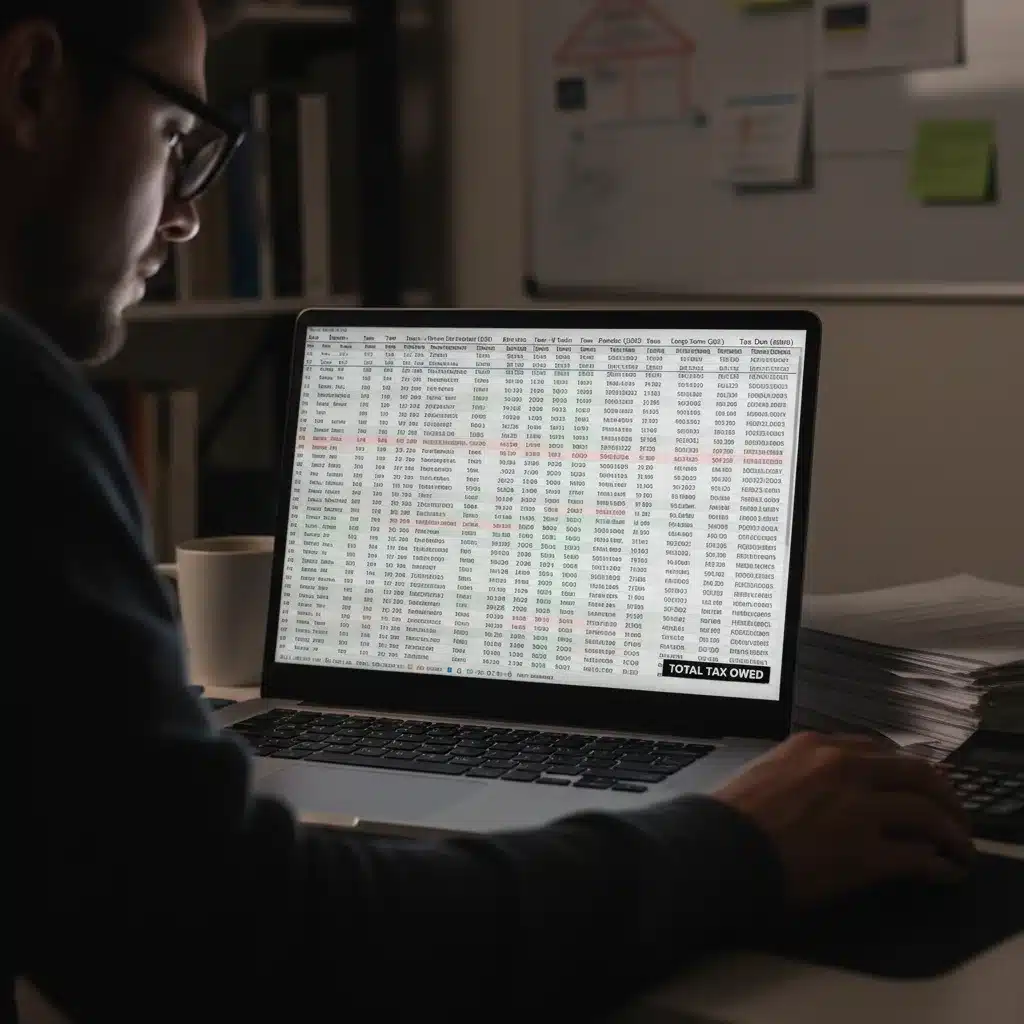
- Data Matching: The IRS will be able to cross-reference the 1099-B forms received from brokers with the capital gains and income reported on your personal tax returns. Discrepancies will likely trigger inquiries or audits.
- Focus on High-Value Transactions: While all transactions are subject to scrutiny, the IRS often prioritizes audits for higher-value transactions or individuals with significant crypto holdings.
- Importance of Professional Advice: Given the complexity and evolving nature of crypto tax law, consulting with a tax professional specializing in digital assets will become even more crucial. They can help ensure compliance, identify opportunities for tax optimization, and represent you in case of an IRS inquiry.
- Penalties for Non-Compliance: Failure to accurately report crypto income and gains can result in significant penalties, including interest on underpaid taxes, accuracy-related penalties (up to 20% of the underpayment), and even civil fraud penalties (up to 75%). In severe cases of willful evasion, criminal charges are possible.
The increased enforcement signals a new era for crypto taxation. The days of operating in the shadows are rapidly diminishing. For US Crypto Tax 2026 and beyond, investors must prioritize meticulous record-keeping, accurate reporting, and, when in doubt, seek expert guidance to avoid costly mistakes.
Preparing for the 2026 US Crypto Tax Landscape: Actionable Steps
Given the significant changes on the horizon, proactive preparation is essential. Here are actionable steps you can take now to ensure you’re ready for the 2026 US crypto tax landscape:
- Consolidate and Organize Your Records: Gather all transaction data from every exchange, wallet, and platform you’ve used. This includes purchase dates, prices, sale dates, prices, transaction fees, and any transfers between wallets.
- Utilize Crypto Tax Software: Invest in reliable crypto tax software (e.g., CoinTracker, Koinly, TaxBit) that can integrate with your exchanges and wallets to automate the aggregation and calculation of your tax liabilities. This will be invaluable for generating accurate reports.
- Understand Cost Basis: Ensure you have a clear understanding and accurate records of the cost basis for all your digital assets. This is critical for calculating capital gains and losses.
- Track DeFi and NFT Transactions Meticulously: For complex DeFi activities like liquidity provision, yield farming, or NFT minting/sales, manual tracking may still be necessary. Document every detail, including timestamps, asset values, and counterparty information if available.
- Consult a Crypto Tax Professional: Engage with a tax advisor who specializes in digital assets. They can help you understand the nuances of the new regulations, develop tax-efficient strategies, and ensure compliance.
- Stay Informed: The crypto tax landscape is continually evolving. Stay updated on IRS guidance, Treasury Department regulations, and any new legislative proposals.
- Review Your Portfolio for Tax-Loss Harvesting Opportunities: While wash sale rules may come, current regulations allow for tax-loss harvesting. Review your portfolio for assets that have depreciated in value and consider selling them to offset capital gains.
By taking these steps, you won’t just be compliant; you’ll be strategically positioned to navigate the complexities of US Crypto Tax 2026 with confidence.
Conclusion: A New Era of Crypto Tax Transparency
The year 2026 marks a significant turning point for cryptocurrency taxation in the United States. The introduction of enhanced broker reporting, clearer definitions of ‘digital assets’ and ‘brokers,’ and increased IRS enforcement signal a new era of transparency and accountability for crypto investors. While these changes may seem daunting, they ultimately aim to integrate digital assets more fully into the existing financial and tax system.
For investors, the message is clear: proactive planning, meticulous record-keeping, and a thorough understanding of the evolving tax landscape are no longer optional but essential. By embracing these changes and leveraging available tools and expert advice, you can ensure compliance, minimize tax liabilities, and continue to participate confidently in the exciting world of digital assets. The future of US Crypto Tax 2026 demands attention, and those who prepare now will be best positioned for success.