
Hiring for Hypergrowth: Building a Scalable Team in the Competitive 2026 U.S. Startup Environment
The U.S. startup landscape in 2026 is a paradox of immense opportunity and fierce competition. For nascent companies experiencing rapid expansion, the challenge of startup hypergrowth hiring isn’t just about filling seats; it’s about strategically building a resilient, adaptable, and innovative team that can sustain and accelerate that growth. As the market evolves, so too must our approaches to talent acquisition. This article delves into the critical strategies and considerations for startups aiming to achieve successful hypergrowth through smart, scalable hiring practices.
Understanding the 2026 Talent Landscape for Startup Hypergrowth Hiring
Before diving into specific tactics, it’s crucial to understand the prevailing conditions of the 2026 U.S. talent market. Several factors are shaping this environment:
- Increased Demand for Specialized Skills: The rapid advancements in AI, Web3, sustainable technologies, and personalized health solutions mean a heightened demand for highly specialized technical and strategic talent. These individuals are often scarce and command premium compensation.
- Remote and Hybrid Work Dominance: While some companies are calling employees back to the office, a significant portion of the workforce, especially in tech, expects flexibility. Startups that embrace remote or hybrid models effectively gain access to a wider talent pool, but also face increased competition from larger, established companies offering similar flexibility.
- Emphasis on Culture and Values: Post-pandemic, candidates are scrutinizing company culture, diversity, equity, and inclusion (DEI) initiatives, and work-life balance more than ever. A compelling mission and a supportive environment are often as important as salary for top talent.
- Economic Volatility and Investor Scrutiny: While venture capital flows continue, investors are increasingly focused on efficient growth and clear paths to profitability. This translates to pressure on startups to make every hire count and demonstrate strong ROI on their human capital investments.
- Generational Shifts: The evolving expectations of Gen Z and younger Millennials entering leadership roles are impacting workplace dynamics, demanding more transparency, purpose-driven work, and opportunities for rapid development.
Navigating this complex landscape requires more than just a standard recruitment process. It demands a proactive, strategic, and empathetic approach to startup hypergrowth hiring.
Defining Your Talent Needs for Scalability
The first step in effective startup hypergrowth hiring is not just knowing who you need now, but who you’ll need in 6, 12, and 24 months. This foresight is critical for building a scalable team.
Strategic Workforce Planning
Start by conducting a thorough workforce planning exercise. This involves:
- Forecasting Growth: Based on your business model, market projections, and funding runway, anticipate your company’s growth trajectory. How many new users/customers will you acquire? What new products or features will you launch?
- Identifying Key Roles: Translate growth forecasts into specific roles. Don’t just think about immediate vacancies; consider future leadership positions, specialized technical roles, and operational support that will become essential as you scale.
- Skill Gap Analysis: Assess your current team’s capabilities against future needs. Where are the critical skill gaps? Are there areas where upskilling existing employees is more effective than hiring new ones?
- Organizational Structure Evolution: As you grow, your organizational structure will change. Plan for future team leads, managers, and departmental structures. How will communication and decision-making evolve?
Building Robust Job Descriptions
Vague job descriptions are a death knell for effective startup hypergrowth hiring. For each role:
- Focus on Outcomes, Not Just Tasks: What impact will this person have on the company? How will their success be measured?
- Clearly Define Essential vs. Desirable Skills: Be realistic about what’s absolutely necessary versus what can be learned on the job. This helps broaden your talent pool.
- Highlight Growth Opportunities: Ambitious candidates are looking for career progression. Showcase the potential for learning, development, and advancement within your fast-growing startup.
- Emphasize Culture Fit and Values Alignment: Beyond skills, articulate the cultural aspects and core values that define your company. This attracts candidates who will thrive in your specific environment.
Attracting Top Talent: Beyond the Paycheck
In a competitive market, attracting the best talent for startup hypergrowth hiring requires a multi-faceted approach that goes beyond offering a competitive salary.
Crafting a Compelling Employer Brand
Your employer brand is your reputation as a place to work. It’s what differentiates you. To build a strong brand:
- Tell Your Story: What’s your mission? What problem are you solving? What impact are you making? Authentically share your journey and vision.
- Showcase Your Culture: Use social media, your career page, and employee testimonials to highlight your unique culture, values, and the people who embody them. Videos and employee spotlights can be incredibly effective.
- Highlight Employee Development: Demonstrate your commitment to employee growth through training programs, mentorship opportunities, and clear career paths.
- Promote DEI Initiatives: Actively communicate your efforts and progress in fostering a diverse, equitable, and inclusive workplace. This is a non-negotiable for many top candidates.
Leveraging Diverse Sourcing Channels
Relying solely on traditional job boards won’t suffice for startup hypergrowth hiring. Expand your reach:
- Talent Marketplaces and Niche Platforms: Explore platforms specializing in specific tech stacks (e.g., AI/ML engineers, blockchain developers) or industries.
- Professional Networks and Referrals: Employee referral programs are often the most cost-effective and highest-quality source of hires. Incentivize your team to refer qualified candidates.
- University Partnerships and Internships: Build relationships with universities to tap into emerging talent. Internships can be a pipeline for future full-time hires.
- Community Engagement: Participate in industry conferences, hackathons, and local tech meetups. This allows you to connect with potential candidates in a less formal setting.
- Proactive Headhunting/Recruiting: Don’t wait for candidates to apply. Actively identify and reach out to passive candidates who possess the skills and experience you need.
Optimizing Your Recruitment Process for Speed and Quality
Hypergrowth means you can’t afford a slow, cumbersome hiring process. Efficiency and a positive candidate experience are paramount.
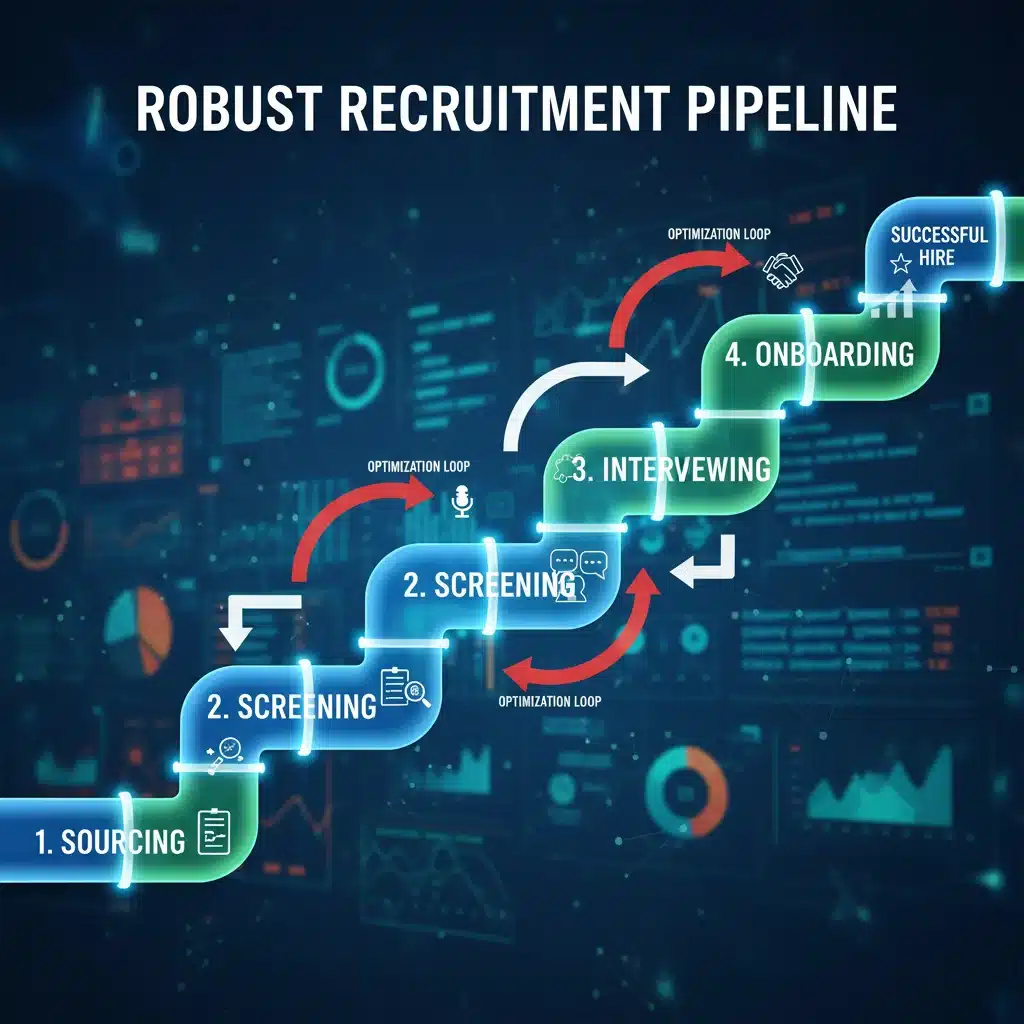
Streamlining the Application and Screening Process
- Simplify Applications: Long, complex application forms deter top talent. Ask for essential information initially and gather more details later.
- Implement Smart Screening Tools: Utilize AI-powered tools for resume parsing, skill assessments, and even initial video interviews to quickly identify qualified candidates.
- Standardize Interview Questions: Ensure consistency and fairness by developing structured interview guides. Focus on behavioral and situational questions that reveal problem-solving skills and cultural fit.
- Expedite Feedback Loops: Provide prompt feedback to candidates. A slow process can lead to losing desirable candidates to competitors.
Prioritizing Candidate Experience
Every interaction a candidate has with your company shapes their perception, regardless of whether they get the job. A poor experience can damage your employer brand.
- Clear Communication: Keep candidates informed at every stage of the process. Set expectations for timelines and next steps.
- Respectful Interactions: Treat all candidates with professionalism and respect, even those who aren’t a fit.
- Personalized Engagement: Where possible, personalize communication. Generic responses can feel dismissive.
- Efficient Interview Logistics: Ensure interviews are well-organized, start on time, and provide a clear agenda.
Onboarding for Success and Retention
The hiring process doesn’t end when an offer is accepted. Effective onboarding is critical for integrating new hires and ensuring their long-term success, especially during startup hypergrowth hiring.
Pre-boarding: Setting the Stage
The period between offer acceptance and the first day is a golden opportunity to engage new hires.
- Welcome Kit: Send a personalized welcome kit with company swag, relevant documents, and information about their team.
- Early Communication: Assign a buddy or mentor, and facilitate early introductions to their team. Share resources about the company culture and expectations.
- Logistics Preparedness: Ensure all IT equipment, software access, and workspace (physical or virtual) are ready before day one.
Structured Onboarding Programs
A comprehensive onboarding program should extend beyond the first week, ideally for the first 90 days.
- Clear Goals and Expectations: Define what success looks like in their first 30, 60, and 90 days.
- Training and Resources: Provide access to necessary training, documentation, and tools.
- Mentorship and Support: Pair new hires with experienced team members who can guide them through the company culture and initial challenges.
- Regular Check-ins: Managers should conduct frequent check-ins to address concerns, provide feedback, and celebrate early wins.
Successful onboarding significantly impacts retention, which is crucial when you’re investing heavily in startup hypergrowth hiring.
Building a Culture that Sustains Hypergrowth
Hiring for hypergrowth is not just about bringing in talent; it’s about cultivating an environment where that talent can thrive and evolve with the company. A strong culture is a powerful retention tool and an amplifier of productivity.
Fostering Psychological Safety and Transparency
- Open Communication: Encourage honest feedback, both upwards and downwards. Leaders should be transparent about company performance, challenges, and strategic shifts.
- Blameless Culture: Promote a culture where mistakes are viewed as learning opportunities, not reasons for blame. This encourages experimentation and innovation.
- Accessibility of Leadership: Ensure leaders are approachable and available to their teams, fostering trust and psychological safety.
Embracing Diversity, Equity, and Inclusion (DEI)
DEI isn’t just a buzzword; it’s a strategic imperative for startup hypergrowth hiring and long-term success. Diverse teams are proven to be more innovative, adaptable, and perform better financially.

- Inclusive Hiring Practices: Actively work to reduce bias in job descriptions, screening, and interviewing processes. Consider blind resume reviews and diverse interview panels.
- Equitable Opportunities: Ensure all employees have equal access to growth opportunities, mentorship, and leadership roles, regardless of background.
- Supportive Environment: Create an environment where all voices are heard, respected, and valued. Establish employee resource groups (ERGs) and provide DEI training.
Investing in Learning and Development
During hypergrowth, roles and responsibilities can change rapidly. Continuous learning is essential.
- Internal Mobility: Encourage and support employees in moving into new roles or departments within the company as it grows.
- Training Programs: Offer opportunities for skill development, whether through internal workshops, external courses, or certifications.
- Mentorship and Coaching: Implement formal or informal mentorship programs to facilitate knowledge transfer and career guidance.
Leveraging Technology in startup hypergrowth hiring
Technology is no longer a luxury but a necessity for efficient and effective startup hypergrowth hiring.
Applicant Tracking Systems (ATS)
A robust ATS is the backbone of any scalable recruitment operation. It helps manage applications, track candidate progress, and automate communication.
Recruitment Marketing Platforms
These platforms help you distribute job postings widely, manage your employer brand across various channels, and track the effectiveness of your recruitment campaigns.
AI and Automation Tools
From AI-powered resume screening to chatbot-driven candidate engagement, these tools can significantly reduce administrative burden and speed up the early stages of the recruitment process, allowing human recruiters to focus on high-value interactions.
Data Analytics for Recruitment
Track key metrics such as time-to-hire, cost-per-hire, source-of-hire effectiveness, and candidate satisfaction. Use this data to continually optimize your startup hypergrowth hiring strategies.
Navigating Legal and Compliance Considerations in 2026
As startups grow, so do their legal and compliance obligations. In 2026, staying abreast of these is more important than ever, especially in the context of startup hypergrowth hiring across different states or even internationally.
Employment Laws and Regulations
- State-Specific Laws: The U.S. has a patchwork of state and local employment laws regarding minimum wage, benefits, paid leave, and non-compete clauses. Ensure compliance for all locations where your employees reside.
- Remote Work Compliance: Hiring remote employees across state lines introduces complexities related to tax implications, workers’ compensation, and state labor laws. Consider using Employer of Record (EOR) services if hiring in many different states or internationally.
- Fair Hiring Practices: Remain vigilant about anti-discrimination laws and ensure your hiring processes are free from bias.
Data Privacy and Security
Protecting candidate and employee data is crucial. Be aware of regulations like the California Consumer Privacy Act (CCPA) and other state-specific data privacy laws that may impact how you collect, store, and process personal information during the hiring process.
Intellectual Property (IP) Agreements
Ensure all new hires sign robust IP assignment agreements to protect your startup’s innovations and trade secrets, especially critical in competitive tech sectors.
The Role of Leadership in Sustainable startup hypergrowth hiring
Ultimately, the success of startup hypergrowth hiring rests significantly on the shoulders of leadership. Founders and executives must embody the company’s values, champion the hiring process, and create an environment that attracts and retains top talent.
- Lead by Example: Leaders must actively participate in hiring, demonstrating the importance of talent acquisition.
- Empower HR and Recruiting Teams: Provide your HR and recruiting teams with the resources, autonomy, and strategic input they need to succeed.
- Champion Culture: Be the custodians of your company culture, ensuring it evolves positively as the team grows.
- Strategic Vision: Communicate a clear, compelling vision for the future, inspiring potential hires to join your journey.
Conclusion: Building for the Future
Hiring for hypergrowth in the dynamic 2026 U.S. startup environment is a continuous, strategic endeavor. It requires more than just filling open roles; it demands a holistic approach to talent acquisition, development, and retention. By understanding the talent landscape, defining clear needs, building a compelling employer brand, optimizing recruitment processes, and fostering a supportive culture, startups can successfully navigate the challenges of rapid expansion. The companies that master startup hypergrowth hiring will not only survive but thrive, transforming their innovative ideas into market-leading realities. The future of your startup depends on the strength and scalability of the team you build today.