SEC Crypto Regulations: Investor’s Guide to New Rules

Understanding the upcoming SEC crypto regulations for 2025 is crucial for investors to adapt their strategies and ensure compliance within the rapidly evolving digital asset market.
Navigating SEC Regulations for Crypto Investors in 2025: What New Rules Mean for Your Portfolio is paramount for anyone engaged in the digital asset space. The landscape of cryptocurrency is continuously reshaped by regulatory shifts, and 2025 promises significant changes from the U.S. Securities and Exchange Commission (SEC). This article delves into these impending regulations, providing essential insights for protecting and optimizing your crypto investments.
The Evolving Regulatory Landscape for Digital Assets
The cryptocurrency market, once a wild frontier, is steadily moving towards a more regulated environment. For investors, this shift presents both challenges and opportunities. Understanding the historical context of SEC involvement is key to anticipating future directions and preparing your portfolio effectively.
Historically, the SEC has approached digital assets with a cautious stance, often classifying many as securities under the Howey Test. This classification has led to numerous enforcement actions and a growing demand for clearer guidelines. The commission’s primary goal remains investor protection and maintaining fair, orderly, and efficient markets, which it believes extends to the digital asset ecosystem.
Key Milestones in SEC Crypto Oversight
- Early Enforcement Actions: The SEC began its oversight with actions against initial coin offerings (ICOs) deemed unregistered securities offerings, setting a precedent for future interventions.
- Focus on Exchanges: Increased scrutiny on cryptocurrency exchanges, particularly those listing tokens considered securities, has highlighted the need for these platforms to register with the SEC.
- Spot Bitcoin ETF Approvals: Recent approvals of spot Bitcoin Exchange-Traded Funds (ETFs) signal a potential shift in the SEC’s willingness to integrate certain digital assets into traditional financial frameworks, albeit under strict conditions.
These milestones illustrate a gradual, yet firm, approach by the SEC to bring digital assets within its existing regulatory purview. Investors must recognize that this trend is set to accelerate, making proactive preparation a necessity rather than an option.
The evolving regulatory landscape underscores the importance of staying informed. As the SEC continues to refine its approach, the definitions and classifications of various digital assets will become clearer, impacting how they are traded, held, and regulated. This ongoing clarification aims to provide a more stable and secure environment for investors, reducing risks associated with unregulated markets.
Anticipated SEC Regulations for 2025
As we approach 2025, several key areas are expected to see significant regulatory activity from the SEC. These anticipated changes will directly impact how digital assets are classified, traded, and offered to the public. Investors need to be acutely aware of these potential shifts to adjust their strategies accordingly and mitigate risks.
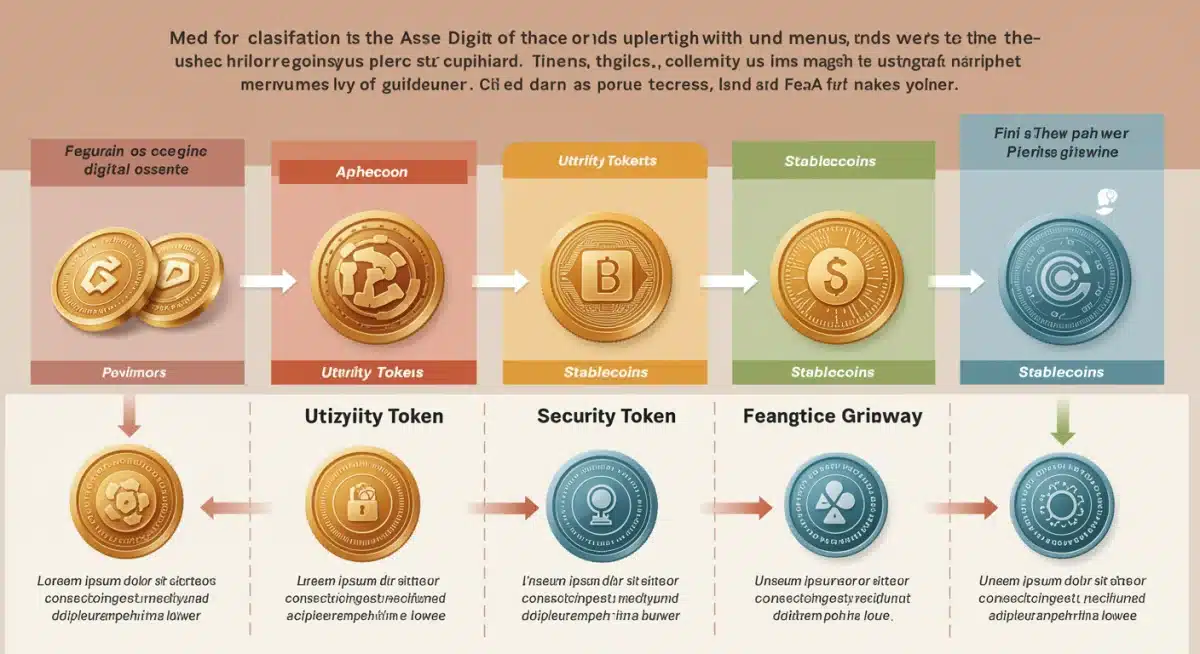
One of the most significant areas of focus will likely be the explicit classification of various digital assets. While the Howey Test has been the prevailing standard, the SEC may introduce more specific guidance or even new legislative proposals to clarify which tokens fall under securities law and which do not. This clarity, while sought after, could also lead to reclassification challenges for existing projects.
Potential Regulatory Focus Areas
- Defining “Security” Tokens: Expect more precise definitions and criteria for what constitutes a security token, potentially leading to a wave of projects needing to register or restructure.
- Stablecoin Oversight: Stablecoins, particularly those backed by fiat currency reserves, are likely to face increased scrutiny regarding their reserves, auditing, and operational transparency to ensure investor confidence.
- Decentralized Finance (DeFi) Protocols: The SEC is expected to continue exploring how to regulate DeFi, focusing on identifying responsible parties within seemingly decentralized structures and addressing potential systemic risks.
Beyond classification, the SEC is also likely to enhance disclosure requirements for crypto projects. This could mean more stringent reporting standards for token issuers, ensuring that investors have access to comprehensive and accurate information before making investment decisions. The aim is to create a level playing field, similar to traditional financial markets, where transparency is paramount.
Another critical aspect will be increased oversight of crypto intermediaries, including exchanges, custodians, and brokers. The SEC will likely push for these entities to register and comply with regulations designed to protect client assets, prevent market manipulation, and ensure operational integrity. This could mean higher operational costs for these firms, which may, in turn, affect trading fees and service offerings for investors.
Impact on Crypto Exchanges and Trading Platforms
The impending SEC regulations for 2025 are poised to significantly reshape the operational landscape for cryptocurrency exchanges and trading platforms. These entities, which serve as crucial gateways for investors into the digital asset market, will likely face heightened compliance burdens and stricter operational requirements. Understanding these impacts is vital for investors to choose reliable platforms and manage their assets effectively.
Many crypto exchanges currently operate under various state money transmitter licenses or no specific federal registration. The SEC is expected to push for a more unified federal regulatory framework, possibly requiring exchanges that list security tokens to register as national securities exchanges or alternative trading systems (ATS). This shift would subject them to rigorous rules regarding market surveillance, capital requirements, and investor protection measures.
Key Changes for Exchanges
- Registration Requirements: Exchanges listing tokens classified as securities will likely need to register with the SEC, leading to increased regulatory oversight and compliance costs.
- Enhanced Disclosure: Platforms may be required to provide more detailed disclosures about the assets they list, their trading mechanisms, and potential conflicts of interest.
- Custody Rules: Stricter rules concerning the custody of client assets are anticipated, potentially requiring exchanges to separate client funds from operational funds and implement robust cybersecurity measures.
The increased regulatory burden could lead to a consolidation within the exchange industry, with smaller platforms struggling to meet the compliance costs. This might result in fewer, but more robust and compliant, trading venues. For investors, this could mean enhanced security and reliability, but potentially also fewer token listings and less liquidity for certain niche assets.
Furthermore, the SEC’s focus on market integrity will likely lead to enhanced surveillance tools and practices on exchanges to detect and prevent market manipulation, wash trading, and insider trading. These measures, while beneficial for fair markets, could also impact trading strategies that rely on rapid, high-frequency transactions. Investors should prepare for a more structured and transparent trading environment, prioritizing platforms that demonstrate a strong commitment to regulatory compliance and investor protection.
How New Rules May Affect Your Crypto Portfolio
The anticipated SEC regulations in 2025 will undoubtedly have a profound impact on individual crypto portfolios. Investors must proactively assess their current holdings and adapt their strategies to navigate these changes successfully. The implications could range from changes in token availability on exchanges to the tax treatment of certain digital assets and the overall risk profile of their investments.
One of the most immediate effects could be on the accessibility of certain tokens. If the SEC classifies particular digital assets as unregistered securities, exchanges might delist them to avoid regulatory penalties. This could lead to reduced liquidity and difficulty in trading these assets, potentially impacting their market value. Investors holding such tokens may need to consider divesting or transferring them to platforms that can legally facilitate their trading under the new rules.
Portfolio Adjustments to Consider
- Re-evaluation of Holdings: Review your portfolio for assets that might be vulnerable to reclassification as securities and assess their potential delisting risk.
- Diversification Strategy: Consider diversifying into assets with clearer regulatory standing, such as Bitcoin or Ethereum, which have generally received less scrutiny from the SEC regarding security classification.
- Tax Implications: Stay informed about potential changes in how crypto assets are treated for tax purposes, as regulatory clarity might also lead to more stringent tax reporting requirements.
Beyond asset accessibility, the new regulations could influence institutional investment in crypto. Greater regulatory clarity and oversight might encourage more traditional financial institutions to enter the crypto space, bringing increased capital and potentially stabilizing the market. This influx of institutional money could benefit assets deemed compliant, while those without clear regulatory pathways might struggle to attract significant investment.
Ultimately, the goal for investors should be to maintain a compliant and resilient portfolio. This involves not only understanding the regulations but also engaging with reputable platforms, utilizing secure custody solutions, and continuously educating oneself about the evolving legal landscape. Adapting early to these changes can help mitigate potential losses and position your portfolio for long-term growth within a more regulated environment.
Strategies for Compliant Crypto Investing
Amidst the evolving regulatory environment, adopting robust strategies for compliant crypto investing becomes paramount for safeguarding your assets and ensuring long-term success. Proactive measures, rather than reactive responses, will be key to navigating the new SEC landscape in 2025. This involves a combination of due diligence, platform selection, and continuous education.
One fundamental strategy is to prioritize investments in digital assets that have a clear regulatory standing or are actively working towards compliance. Assets like Bitcoin and Ethereum, which have benefited from more extensive discussions and less ambiguity regarding their classification, might offer a more stable regulatory profile. However, even these assets are not entirely immune to future regulatory shifts, so continuous monitoring is essential.
Key Compliance Strategies
- Due Diligence on Projects: Thoroughly research the regulatory approach of any crypto project you invest in. Look for projects that are transparent about their legal counsel and compliance efforts.
- Utilize Regulated Platforms: Opt for exchanges and custodians that are licensed, registered, and demonstrate a strong commitment to adhering to existing and anticipated SEC regulations.
- Understand Tax Obligations: Familiarize yourself with current and projected tax laws for cryptocurrency in the U.S., engaging with tax professionals if necessary to ensure accurate reporting.
Another crucial strategy involves maintaining meticulous records of all your crypto transactions. This includes purchase dates, prices, sale dates, and any associated fees. Such records are invaluable for tax reporting and can be critical in demonstrating compliance if ever questioned by regulatory bodies. Utilizing portfolio trackers and accounting software designed for crypto can greatly assist in this endeavor.
Furthermore, staying informed about the latest regulatory developments is not just recommended, but essential. Subscribing to reputable crypto news sources, following official SEC announcements, and participating in informed communities can provide timely insights. The regulatory landscape is dynamic, and continuous learning is the best defense against unforeseen changes. By integrating these strategies, investors can build a more resilient and compliant crypto portfolio.
The Future of Digital Asset Innovation Under Regulation
The prospect of increased SEC regulation in 2025 often raises concerns about stifling innovation within the digital asset space. However, a more regulated environment can also foster a new era of trust, stability, and ultimately, sustainable growth for the industry. Rather than viewing regulation as a hindrance, it can be seen as a necessary step towards mainstream adoption and institutional integration.
Regulatory clarity can provide a solid foundation upon which developers and entrepreneurs can build. When the rules of engagement are clear, it reduces uncertainty, which is a major barrier to entry for many traditional businesses and large-scale investors. This clarity can encourage the development of more sophisticated and compliant decentralized applications (dApps), stablecoins, and other blockchain-based services that meet regulatory standards from inception.
Innovation Catalysts from Regulation
- Enhanced Investor Trust: Clear rules and protections can increase public confidence in digital assets, attracting a broader base of investors and users.
- Institutional Adoption: Regulatory certainty is a key factor for institutional investors, leading to increased capital flow and the development of new financial products.
- Responsible Development: Regulations can incentivize projects to prioritize security, transparency, and consumer protection, leading to more robust and reliable innovations.
Moreover, regulation can drive innovation in compliance technology itself. The demand for tools and services that help crypto projects and investors meet regulatory requirements will likely surge. This could lead to advancements in areas such as identity verification, transaction monitoring, and automated compliance reporting, creating new sub-sectors within the blockchain industry.
While some projects may face challenges adapting to stricter rules, the overall effect could be a more mature and resilient digital asset ecosystem. The future of digital asset innovation under regulation is not about stopping progress, but about channeling it towards solutions that are both groundbreaking and responsible. This balance is crucial for realizing the full potential of blockchain technology and integrating it seamlessly into the global financial system.
| Key Regulatory Point | Brief Description of Impact |
|---|---|
| Asset Classification Clarity | More precise definitions for security tokens will affect token listings and investor access. |
| Exchange Oversight | Stricter registration and operational rules for crypto exchanges will enhance investor protection. |
| DeFi Regulation | SEC will explore regulating DeFi protocols, focusing on identifying responsible parties and mitigating risks. |
| Investor Protection | Enhanced disclosure requirements and custody rules aim to safeguard investor funds. |
Frequently Asked Questions About SEC Crypto Regulations
The SEC’s primary goals for increased crypto regulation in 2025 are investor protection, maintaining fair and orderly markets, and mitigating systemic risks within the rapidly expanding digital asset ecosystem. This involves bringing digital assets under existing securities laws where applicable.
Stablecoins are expected to face stricter oversight regarding their underlying reserves, requiring more transparent auditing and reporting. The SEC aims to ensure that stablecoins maintain their peg reliably and that their backing assets are secure, protecting users from potential instability.
Not all cryptocurrencies will necessarily be classified as securities. The SEC typically applies the Howey Test to determine if a digital asset meets the criteria of an investment contract. Some assets, like Bitcoin, have generally been viewed differently, but clarity for others is still evolving.
Investors should conduct thorough due diligence on their crypto holdings, understand potential reclassification risks, and prioritize using regulated exchanges. Diversifying into assets with clearer regulatory standing and staying informed about legislative updates are also crucial steps.
While initially challenging, regulation can foster a more mature and trusted environment for digital assets. Clear rules can encourage institutional adoption, attract greater capital, and incentivize the development of compliant and secure blockchain solutions, ultimately driving sustainable innovation.
Conclusion
The impending SEC regulations for crypto investors in 2025 represent a pivotal moment for the digital asset industry. While the journey towards a fully regulated crypto market may present complexities, it also paves the way for greater mainstream acceptance, enhanced investor protection, and a more stable environment for innovation. By understanding these new rules, adapting investment strategies, and prioritizing compliance, investors can position themselves to thrive in this evolving landscape. The future of crypto investing is not just about technological advancement, but also about navigating the regulatory currents that will define its legitimate place in the global financial system.