Maximizing Startup Acquisition Value: An Exit Strategy Guide for U.S. Entrepreneurs

In the dynamic landscape of the U.S. startup ecosystem, the ultimate goal for many founders isn’t just to build a successful company, but to achieve a significant and rewarding exit. By 2028, the mergers and acquisitions (M&A) market is projected to remain robust, offering unprecedented opportunities for startups that are strategically positioned. This article delves into the critical strategies U.S. entrepreneurs must implement to maximize their startup acquisition value, ensuring a lucrative and successful exit.
The Imperative of Early Exit Planning for Maximizing Startup Acquisition Value
Far too often, founders view an exit strategy as something to consider only when an offer materializes. This reactive approach is a common pitfall that can significantly diminish your startup acquisition value. Proactive exit planning, ideally from the company’s inception or at least within its early growth stages, is paramount. This involves not only envisioning the type of exit but also understanding what potential acquirers value and how to systematically build your company to meet those criteria.
Early planning allows you to make strategic decisions regarding your business model, customer base, intellectual property (IP), and team structure, all of which are scrutinized during due diligence. A clear exit strategy acts as a roadmap, guiding your operational and financial decisions towards a specific outcome. For instance, if your target acquirer is a large corporation seeking market share, then rapid customer acquisition and scalability might be prioritized over immediate profitability. Conversely, if a private equity firm is the likely buyer, demonstrating strong, predictable cash flow and operational efficiency will be crucial. Understanding these nuances early on can dramatically influence your company’s trajectory and ultimately, its startup acquisition value.
Defining Your Ideal Acquirer Profile
Before you can maximize your startup acquisition value, you need to know who you’re trying to attract. Consider the following questions:
- What type of company would benefit most from acquiring yours? (e.g., strategic buyer, financial buyer, competitor, large tech company)
- What specific problems would your company solve for them?
- What synergies exist between your company and potential acquirers?
- What is their typical acquisition criteria and valuation methodology?
Answering these questions helps you tailor your growth strategy, product development, and even your marketing message to appeal directly to your ideal acquirer. This targeted approach is far more effective than a generalized effort to attract any buyer.
Financial Optimization: The Core Driver of Startup Acquisition Value
At the heart of any acquisition is financial performance. Acquirers are looking for demonstrable, sustainable, and scalable revenue streams, coupled with efficient operations. Maximizing your startup acquisition value hinges heavily on meticulous financial management and strategic financial positioning.
Revenue Quality and Predictability
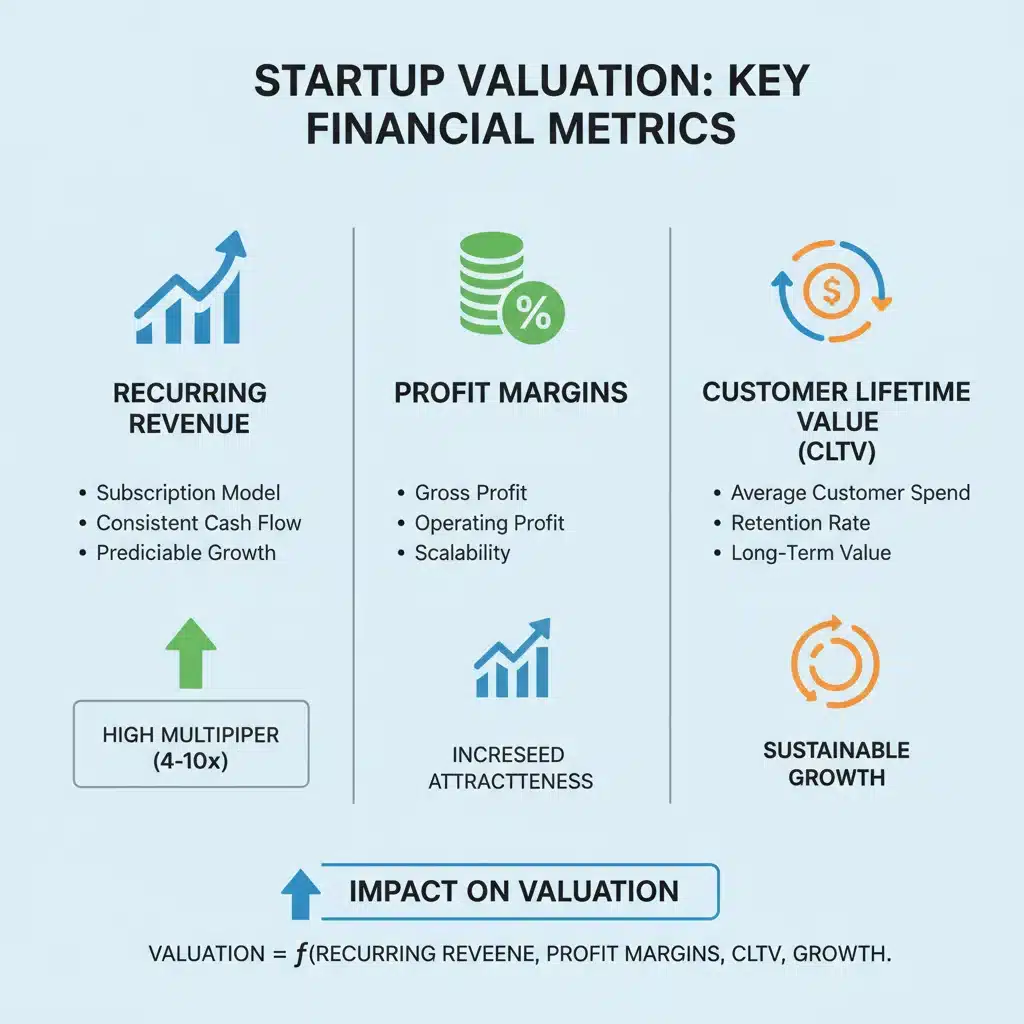
Not all revenue is created equal. Recurring revenue, such as subscriptions or long-term contracts, is significantly more valuable than one-off sales. Acquirers highly value predictability because it reduces risk and provides a clearer path for future growth. Focus on building a business model that generates high-quality, predictable revenue streams. This might involve:
- Implementing subscription models.
- Securing long-term contracts with key clients.
- Diversifying your customer base to avoid over-reliance on a few large accounts.
- Demonstrating strong customer retention rates and low churn.
Profitability and Unit Economics
While hyper-growth startups sometimes prioritize market share over immediate profit, demonstrating a clear path to profitability and strong unit economics is crucial. Acquirers want to see that your business can generate healthy margins once it scales. Understand and optimize your Customer Acquisition Cost (CAC), Customer Lifetime Value (CLTV), and gross margins. Positive unit economics indicate a fundamentally sound business model, which directly contributes to a higher startup acquisition value.
Clean and Auditable Financial Records
During due diligence, acquirers will meticulously scrutinize your financial records. Any discrepancies, inconsistencies, or lack of transparency can raise red flags and significantly devalue your company. Invest in robust accounting systems and ensure your financial statements are accurate, complete, and auditable. Consider having an annual audit or review by a reputable accounting firm, even if not legally required, as it signals financial maturity and reduces perceived risk for buyers.
Strategic Positioning and Market Leadership
Beyond financials, your market position, competitive advantage, and growth potential play a pivotal role in determining your startup acquisition value. Acquirers are not just buying your current assets; they are buying your future potential.
Demonstrating a Strong Competitive Moat
What makes your company unique and difficult to replicate? This could be proprietary technology, a strong brand, unique data sets, patents, exclusive partnerships, or a highly specialized team. A clear and defensible competitive moat assures acquirers that your market position is sustainable and provides a solid foundation for future growth. Highlight these differentiators consistently in all your communications and strategic planning.
Market Share and Growth Potential
Acquirers are often looking to expand their own market share or enter new markets. If your startup has a dominant position in a niche or demonstrates significant growth potential in an expanding market, your startup acquisition value will be considerably higher. Provide clear data and projections that illustrate your market share, total addressable market (TAM), and future growth opportunities.
Intellectual Property (IP) Protection
For many tech and innovative startups, IP is their most valuable asset. Ensure all your intellectual property – patents, trademarks, copyrights, trade secrets – is properly identified, documented, and legally protected. A robust IP portfolio not only increases your startup acquisition value but also provides a significant competitive advantage that acquirers are willing to pay a premium for. This includes clear assignments of IP from employees and contractors to the company.
Building an Exceptional Team and Culture
While often overlooked in the initial stages of valuation, the quality of your team and company culture can significantly impact your startup acquisition value. Acquirers aren’t just buying products or revenue; they’re buying human capital, expertise, and a functioning organization.
Key Talent Retention and Development
A strong, experienced, and loyal team is a massive asset. Acquirers want to ensure that the talent that built the company will remain post-acquisition. Implement retention strategies such as competitive compensation, equity incentives, and professional development opportunities. Demonstrate that your team is well-structured, capable of operating independently, and possesses the necessary skills to drive future growth. A ‘key person’ risk, where the business heavily relies on one or two individuals, can be a major detractor from acquisition value.
Scalable Processes and Organizational Structure
Your company should be able to operate efficiently and scale without constant founder intervention. Documented processes, clear organizational charts, and a culture of accountability are attractive to acquirers. This indicates that the business is mature and can be integrated smoothly into a larger entity. Invest in systems and training that enable your team to function effectively as you grow.
Operational Excellence and Scalability
Efficiency, robustness, and the ability to scale are critical factors that enhance your startup acquisition value. Acquirers are looking for businesses that can seamlessly integrate into their existing operations and grow without significant bottlenecks.
Robust Technology and Infrastructure
For technology startups, the underlying tech stack is paramount. Ensure your software, systems, and infrastructure are modern, secure, well-documented, and scalable. Outdated technology, technical debt, or a lack of clear documentation can be a significant liability during due diligence. Acquirers will assess the cost and effort required to integrate or update your technology, which can directly impact their offer.
Efficient Sales and Marketing Funnels
Demonstrate clear, repeatable, and efficient sales and marketing processes that drive customer acquisition and revenue growth. Strong customer acquisition channels, a well-defined sales pipeline, and effective marketing strategies prove your ability to generate future revenue. Quantify your sales cycle, conversion rates, and the return on investment (ROI) for your marketing efforts.
Legal and Regulatory Readiness: De-risking the Acquisition
Even with stellar financials and a strong market position, legal and regulatory issues can derail an acquisition or significantly reduce your startup acquisition value. Proactive legal hygiene is non-negotiable.
Comprehensive Due Diligence Preparation
Anticipate the due diligence process and prepare thoroughly. This means organizing all your legal documents, contracts, permits, licenses, and intellectual property registrations. Create a virtual data room (VDR) well in advance, populating it with all relevant documents. Any missing or poorly organized documentation can create delays and erode buyer confidence. Common areas of scrutiny include:
- Corporate records (articles of incorporation, bylaws, board minutes).
- Material contracts (customer agreements, vendor contracts, partnership agreements).
- Employee agreements (offer letters, non-compete agreements, IP assignments).
- Intellectual property documentation (patent applications, trademark registrations).
- Regulatory compliance records (privacy policies, data security protocols, industry-specific certifications).

Addressing Potential Liabilities
Identify and address any potential legal liabilities early on. This could include pending litigation, regulatory compliance gaps, or unresolved contractual disputes. Transparency with potential acquirers about these issues, along with a clear plan for mitigation, is always better than having them discover problems during due diligence. Proactively resolving these issues can prevent them from becoming deal-breakers or negotiation leverage for a lower valuation.
Cap Table Management and Shareholder Agreements
A clean and well-managed capitalization table (cap table) is essential. Ensure all share issuances, options, and warrants are properly documented and authorized. Complex or messy cap tables can complicate an acquisition. Similarly, clear and comprehensive shareholder agreements, outlining rights, responsibilities, and exit provisions, are crucial. Any disputes or ambiguities among founders or investors can significantly hinder an acquisition process and reduce your startup acquisition value.
Valuation Multiples and Negotiation Tactics
Understanding how acquirers value companies and employing effective negotiation tactics are the final pieces of the puzzle for maximizing your startup acquisition value.
Understanding Valuation Methodologies
Acquirers typically use a combination of valuation methodologies, including:
- Discounted Cash Flow (DCF): Projects future cash flows and discounts them back to a present value. Requires robust financial projections.
- Comparable Company Analysis (CCA): Compares your company to similar businesses that have recently been acquired or are publicly traded, using multiples like Enterprise Value/Revenue or Enterprise Value/EBITDA.
- Precedent Transactions: Analyzes the multiples paid in recent M&A deals involving similar companies.
- Asset-Based Valuation: Less common for startups, but relevant if your company has significant tangible assets.
Knowing these methods allows you to present your financial data in a way that aligns with how buyers will assess your worth. Focus on metrics that align with the valuation multiples common in your industry.
Strategic Negotiation
Negotiation is an art, and it’s crucial to approach it strategically. Engage experienced M&A advisors, investment bankers, and legal counsel who have a proven track record in your industry. They can provide invaluable guidance on market comparables, deal structures, and negotiation strategies. Key negotiation points often include:
- Purchase Price: Beyond the headline number, consider the mix of cash, stock, and earn-outs.
- Earn-outs: Performance-based payments tied to future milestones. Structure these carefully to ensure they are achievable and clearly defined.
- Indemnification: Clauses that protect the buyer against future liabilities.
- Representations and Warranties: Statements of fact about the company.
- Integration Plan: How your company will be integrated post-acquisition.
- Key Employee Retention: Agreements to keep critical talent.
Remember, the goal is not just the highest price but the best overall deal that aligns with your post-acquisition goals and minimizes future risks.
Post-Acquisition Integration and Founder Transition
While the focus is often on securing the deal, planning for the post-acquisition phase can also subtly influence your startup acquisition value. A smooth transition is attractive to buyers.
Clear Transition Plan
Work with the acquirer to develop a clear and detailed integration plan. This includes how teams will merge, systems will be integrated, and communication will be managed. A well-thought-out plan reduces uncertainty and demonstrates your commitment to a successful handover.
Founder Role and Future
Define your role (and that of other key founders) post-acquisition. Will you stay for a transition period, integrate into the new company, or exit completely? Clarity on this front helps both parties manage expectations and ensures a smoother transfer of knowledge and leadership. The willingness of founders to stay on for a period can often command a higher acquisition price, especially if their expertise is critical to the continued success of the acquired entity.
Conclusion: A Holistic Approach to Maximizing Startup Acquisition Value
Maximizing your startup acquisition value by 2028 is not a singular event but a continuous process that begins long before any acquisition offer. It requires a holistic approach encompassing early exit planning, meticulous financial optimization, strategic market positioning, robust legal readiness, and the cultivation of an exceptional team. By systematically building a company that is not only successful but also highly attractive to potential acquirers, U.S. entrepreneurs can significantly enhance their chances of achieving a highly lucrative and impactful exit. Focus on demonstrating sustainable growth, a strong competitive advantage, operational efficiency, and a de-risked profile, and you will be well on your way to securing the maximum possible value for your hard work and innovation.