Inflation-Proofing Your 2026 Financial Plan: Strategies to Protect Purchasing Power

Inflation-Proofing Your 2026 Financial Plan: Strategies to Protect Purchasing Power
As we look ahead to 2026, the specter of inflation continues to loom large over our financial futures. While economic forecasts can vary, a consistent 4% annual inflation rate, as some predict, can significantly erode your purchasing power over time if not adequately addressed. This article delves into comprehensive strategies for inflation proofing 2026 financial plans, ensuring your hard-earned money retains its value and continues to grow. Understanding the mechanisms of inflation and proactively implementing protective measures is not just prudent; it’s essential for long-term financial stability.
Inflation, at its core, is the rate at which the general level of prices for goods and services is rising, and subsequently, the purchasing power of currency is falling. A 4% annual inflation rate might seem manageable on the surface, but its cumulative effect can be substantial. For instance, an item costing $100 today would cost approximately $104 next year, and nearly $122 in five years, assuming a constant 4% inflation. This seemingly small percentage can silently yet effectively diminish your savings, investments, and overall financial well-being if you don’t actively work towards inflation proofing 2026 strategies.
The goal of this guide is to equip you with the knowledge and tools to navigate this economic challenge. We’ll explore various investment vehicles, budgeting adjustments, and financial planning techniques designed to shield your assets from inflationary pressures. Whether you are a seasoned investor or just starting your financial journey, these insights will be invaluable in fortifying your financial plan against the inevitable changes in the economic landscape. Let’s embark on this journey to secure your financial future against the erosive power of inflation.
Understanding the Impact of 4% Annual Inflation
Before diving into specific strategies for inflation proofing 2026, it’s crucial to grasp the full implications of a 4% annual inflation rate. This isn’t just an abstract economic number; it directly impacts your daily life, your retirement plans, and your ability to achieve long-term financial goals. Over time, even a moderate inflation rate can significantly reduce the real value of your money. For example, if you have $100,000 saved today, with a 4% inflation rate, its purchasing power would be equivalent to approximately $82,192 in 2026 (compounded over five years). This erosion of value means that your future self will need more money to maintain the same standard of living as today.
The Silent Erosion of Purchasing Power
The insidious nature of inflation lies in its gradual, often unnoticed, reduction of purchasing power. It’s not a sudden loss but a steady drip that, over years, can empty a bucket. For instance, if your salary increases by 3% annually, but inflation is at 4%, your real income is actually decreasing by 1% each year. This means you can afford less with the same amount of money. This phenomenon affects everything from the cost of groceries and fuel to housing and healthcare. For individuals nearing retirement, this is particularly critical, as fixed incomes or pensions may not keep pace with rising costs, leading to a diminished quality of life. Therefore, actively pursuing strategies for inflation proofing 2026 is paramount.
Inflation’s Effect on Savings and Investments
Traditional savings accounts, which often offer low interest rates, are particularly vulnerable to inflation. If your savings account yields 1% interest, but inflation is 4%, you’re losing 3% of your money’s purchasing power annually. This is why simply saving money in a bank account is not an effective strategy for wealth preservation in an inflationary environment. Similarly, investments that don’t generate returns exceeding the inflation rate will also see their real value decline. Understanding this fundamental principle is the first step in formulating a robust financial plan for inflation proofing 2026 and beyond.
The Importance of a Proactive Approach
Waiting for inflation to become a severe problem before acting is a reactive approach that can lead to significant financial setbacks. A proactive stance, which involves adjusting your financial plan now, is far more effective. This includes re-evaluating your investment portfolio, scrutinizing your budget, and exploring alternative asset classes that historically perform well during inflationary periods. The strategies discussed in the following sections are designed to help you take that proactive approach, transforming potential vulnerabilities into opportunities for growth and preservation. By focusing on inflation proofing 2026, you are building resilience into your financial framework.
Diversifying Your Investment Portfolio for Inflation Proofing 2026
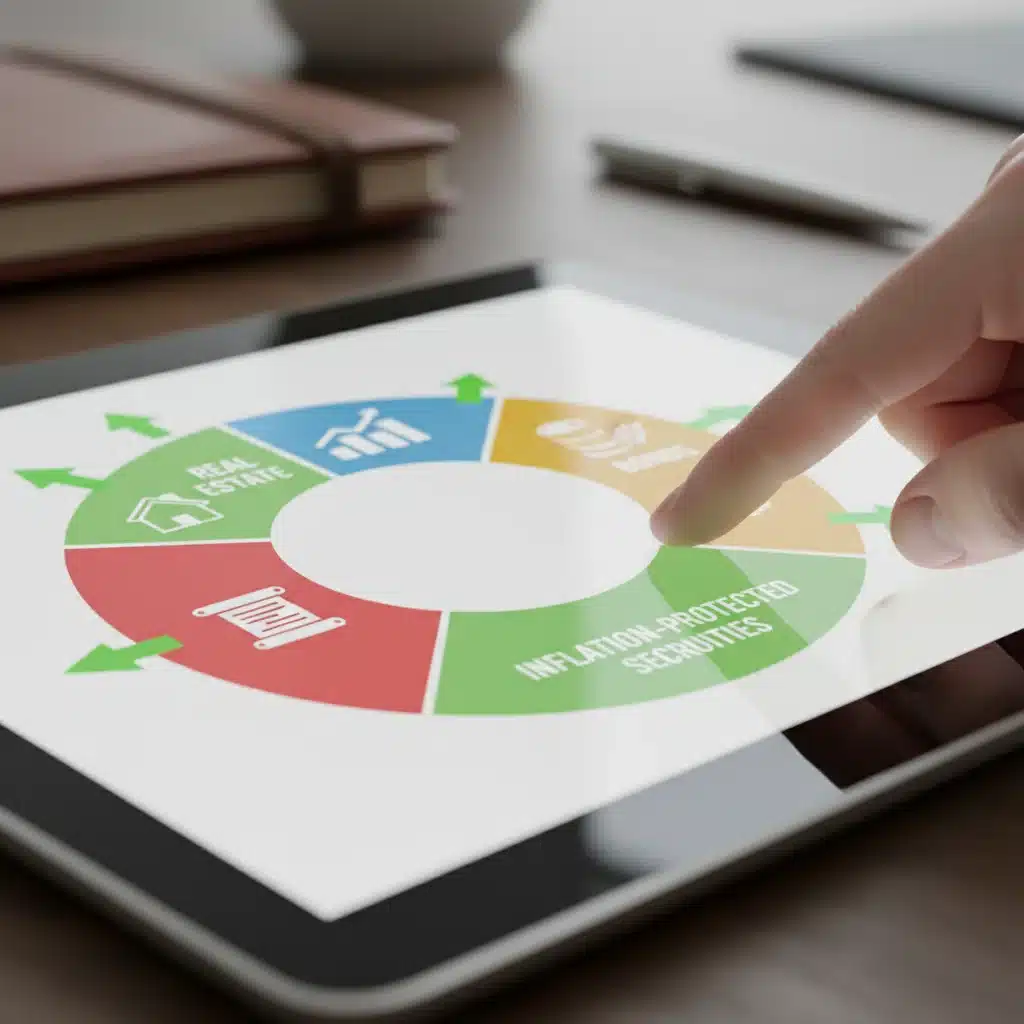
One of the most effective ways to combat inflation is through strategic diversification of your investment portfolio. A well-diversified portfolio includes assets that tend to perform well when inflation is high, thereby offsetting losses from assets that are more vulnerable. This section will explore key asset classes that can help in inflation proofing 2026.
Real Estate: A Traditional Inflation Hedge
Real estate has long been considered a strong hedge against inflation. As the cost of living rises, so do property values and rental incomes. This makes real estate an attractive option for inflation proofing 2026. When inflation pushes up the cost of building materials and labor, new construction becomes more expensive, increasing the value of existing properties. Furthermore, rental income often adjusts upwards with inflation, providing a growing stream of income that can keep pace with rising costs. Investing in physical properties, Real Estate Investment Trusts (REITs), or real estate funds can provide exposure to this asset class. However, it’s crucial to research local markets and consider factors like interest rates and property taxes.
Commodities: Tangible Assets in an Inflated Economy
Commodities, such as gold, silver, oil, and agricultural products, are another excellent avenue for inflation proofing 2026. The prices of commodities often rise with inflation because they are raw materials used in the production of goods and services. As the cost of producing these goods increases, so does the demand and price for the underlying commodities. Gold, in particular, has historically been viewed as a safe haven asset during times of economic uncertainty and inflation. Investing in commodities can be done directly through futures contracts, indirectly through commodity-focused exchange-traded funds (ETFs), or by investing in companies that produce or process commodities. It’s important to note that commodity markets can be volatile, so a balanced approach is recommended.
Inflation-Protected Securities (TIPS): Direct Protection
Treasury Inflation-Protected Securities (TIPS) are government bonds specifically designed to protect investors from inflation. The principal value of TIPS adjusts with the Consumer Price Index (CPI), meaning that as inflation rises, so does the principal value of your investment. This adjustment is then reflected in the interest payments you receive. When the TIPS mature, you receive either the original or adjusted principal, whichever is greater. TIPS offer a direct and reliable method for inflation proofing 2026, particularly for those seeking a lower-risk investment option. They are backed by the full faith and credit of the U.S. government, making them a very secure investment.
Stocks of Companies with Pricing Power
Not all stocks are created equal when it comes to inflation. Companies that possess strong ‘pricing power’ – the ability to raise prices without significantly losing customer demand – tend to perform better during inflationary periods. These are often companies with strong brands, essential products or services, or those operating in industries with high barriers to entry. Examples might include certain consumer staples, healthcare companies, or technology giants. These companies can pass on increased costs to consumers, thus maintaining their profit margins. Identifying and investing in such companies can be a smart move for inflation proofing 2026 within your equity portfolio.
Dividend-Paying Stocks and Funds
Dividend-paying stocks and dividend-focused funds can also be beneficial in an inflationary environment. While dividends themselves are not directly inflation-adjusted, companies that consistently pay and grow their dividends often have strong financial health and stable cash flows. These dividends can provide a steady stream of income that can help offset the rising cost of living. Furthermore, if the company’s earnings grow with inflation, there’s a higher likelihood that their dividends will also increase over time. This makes them a valuable component of an inflation proofing 2026 strategy, offering both income and potential capital appreciation.
Alternative Investments: Expanding Your Horizons
Beyond traditional assets, exploring alternative investments can further enhance your inflation proofing 2026 strategy. This could include private equity, venture capital, infrastructure projects, or even collectibles. These assets often have a low correlation with traditional markets and can offer unique inflation-hedging properties. For instance, infrastructure projects often have long-term contracts with built-in inflation escalators. However, alternative investments typically come with higher risks, illiquidity, and often require a higher minimum investment, making them more suitable for accredited investors or those with a sophisticated understanding of these markets. Consulting a financial advisor specializing in alternative assets can be beneficial.
Budgeting and Lifestyle Adjustments for 2026
Investment strategies are crucial, but effective inflation proofing 2026 also requires a careful review of your personal budget and lifestyle. Managing your expenses and optimizing your spending habits can significantly mitigate the impact of rising prices.
Re-evaluating Your Budget with Inflation in Mind
The first step is to meticulously review your current budget. Identify areas where your expenses are likely to increase due to inflation. For instance, food, transportation, and utility costs are often directly affected. Create a forward-looking budget that anticipates these increases. This might involve allocating a larger percentage of your income to these categories, even if it means reining in spending elsewhere. The goal is to proactively adjust your financial blueprint for inflation proofing 2026, rather than reacting to price hikes after they occur.
Cutting Unnecessary Expenses
With a clearer picture of potential inflationary impacts, identify discretionary expenses that can be reduced or eliminated. This could include subscriptions you rarely use, eating out less frequently, or finding more cost-effective entertainment options. Every dollar saved can be redirected towards investments that offer inflation protection or used to cover essential expenses that have increased. This disciplined approach to spending is a cornerstone of effective inflation proofing 2026.
Optimizing Energy Consumption and Transportation
Energy and transportation costs are highly susceptible to inflation. Consider ways to reduce your consumption. This might involve investing in energy-efficient appliances, improving home insulation, or exploring public transport, carpooling, or cycling for commuting. Even small changes can add up to significant savings over time, thereby helping to offset other inflationary pressures and making a tangible difference in your efforts for inflation proofing 2026.
Smart Grocery Shopping and Meal Planning
Food prices are a major component of inflation. Adopting smart grocery shopping habits can help. This includes meal planning to reduce waste, buying in bulk when appropriate, utilizing coupons and sales, and opting for generic brands where quality is comparable. Growing some of your own produce, if feasible, can also provide a small but impactful hedge against rising food costs. These practical steps contribute directly to inflation proofing 2026 your household budget.
Negotiating and Shopping Around for Services
Don’t assume that the prices for services are fixed. Regularly review and negotiate rates for insurance, internet, mobile phone plans, and other recurring services. Be prepared to shop around and switch providers if you find a better deal. Loyalty can sometimes come at a cost in an inflationary environment. Being proactive in managing these service costs is another vital element of inflation proofing 2026.
Income Generation and Debt Management in an Inflationary Environment
While managing expenses and investments are critical, boosting your income and strategically managing debt are equally important components of inflation proofing 2026 your financial plan.
Increasing Your Income Streams
One of the most direct ways to combat inflation is to increase your income. This could involve seeking a raise at your current job, taking on a side hustle, or developing new skills that command higher wages. If your income grows at a rate equal to or greater than inflation, your purchasing power remains stable or even increases. Actively pursuing opportunities for income growth is a powerful strategy for inflation proofing 2026.
Leveraging Skills and Education
Investing in yourself through education and skill development can significantly enhance your earning potential. Acquiring in-demand skills can lead to promotions, new job opportunities, or the ability to charge more for your services as a freelancer. This human capital investment often provides returns that outpace inflation, making it a highly effective long-term strategy for inflation proofing 2026 and beyond.
Strategic Debt Management
Debt can be a double-edged sword during inflation. On one hand, fixed-rate debt, such as a traditional mortgage, becomes less burdensome over time as the real value of future payments decreases. On the other hand, variable-rate debt, like credit card balances or adjustable-rate mortgages, can become more expensive as interest rates tend to rise with inflation. Prioritize paying down high-interest, variable-rate debt to minimize your exposure. For fixed-rate debt, maintaining consistent payments is key. Understanding this dynamic is crucial for effective inflation proofing 2026.
Refinancing and Consolidating Debt
Consider refinancing high-interest debt into lower, fixed-rate options if market conditions are favorable. Consolidating multiple debts into a single, lower-interest loan can also simplify your payments and reduce your overall interest burden. This can free up cash flow that can then be directed towards investments designed for inflation proofing 2026 or used to cover rising living costs. Always consult with a financial advisor to determine the best debt management strategies for your specific situation.
Advanced Strategies for Long-Term Inflation Protection
Beyond the immediate adjustments, some advanced strategies can provide robust long-term protection for inflation proofing 2026 and your financial future.
Investing in Businesses with Low Capital Expenditure
Companies that require relatively low capital expenditure (CapEx) to maintain and grow their operations are often more resilient to inflation. These businesses don’t need to continually invest large sums in new equipment, facilities, or inventory, which can become more expensive during inflationary periods. Instead, they can often generate strong free cash flow, which can be reinvested, used to pay dividends, or buy back shares. Identifying such ‘asset-light’ businesses can be a sophisticated approach to inflation proofing 2026 your equity portfolio.
Considering International Investments
Diversifying internationally can also be a strategy for inflation proofing 2026. Inflation rates and economic conditions vary significantly across different countries. Investing in economies that have lower inflation rates or whose currencies are appreciating against your local currency can provide a hedge. This can be done through international stock funds, global bond funds, or directly investing in foreign companies. However, international investments come with their own set of risks, including currency fluctuations and geopolitical instability, so careful research is essential.
Precious Metals Beyond Gold
While gold is the most well-known precious metal hedge, others like silver, platinum, and palladium can also play a role in inflation proofing 2026. Silver, in particular, has industrial demand in addition to its monetary value, which can provide additional price support. Investing in these metals can be done through physical holdings, ETFs, or mining company stocks. As with all commodities, volatility is a factor to consider.

Evaluating Your Retirement Plan
Your retirement plan is one of the most critical areas to consider for inflation proofing 2026. Ensure that your retirement savings are invested in assets that can outpace inflation. If a significant portion is in cash or low-yielding bonds, you might need to reallocate to a more growth-oriented and inflation-resistant portfolio. Consider increasing your contributions to tax-advantaged accounts like 401(k)s and IRAs, as tax benefits can indirectly help preserve wealth. For those nearing retirement, annuities with inflation riders can also be an option to ensure a stable, inflation-adjusted income stream.
Estate Planning and Inflation
Even your estate plan can be impacted by inflation. The real value of monetary bequests can diminish over time. Consider how inflation might affect the future value of assets passed down to heirs. Discuss with your estate planning attorney how to structure your will and trusts to account for potential inflationary environments, ensuring your legacy is preserved for future generations. This foresight is part of a holistic approach to inflation proofing 2026 and beyond.
Monitoring and Adjusting Your Plan Regularly
Financial planning is not a one-time event, especially when dealing with dynamic factors like inflation. To truly achieve inflation proofing 2026, continuous monitoring and adjustment of your financial plan are paramount.
Regular Financial Reviews
Schedule regular financial reviews, at least annually, to assess the performance of your investments against inflation. Are your assets generating real returns (returns above the inflation rate)? Are your budgeting adjustments still effective? Economic conditions can change rapidly, and what works today might not be optimal tomorrow. These reviews are essential for keeping your inflation proofing 2026 strategies on track.
Staying Informed on Economic Indicators
Keep an eye on key economic indicators such as the Consumer Price Index (CPI), Producer Price Index (PPI), and interest rate announcements from central banks. Understanding these indicators can provide insights into the current and future trajectory of inflation, allowing you to make timely adjustments to the financial plan. Being informed is a powerful tool in your arsenal for inflation proofing 2026.
Consulting with Financial Professionals
A qualified financial advisor can provide personalized guidance tailored to your specific financial situation and risk tolerance. They can help you analyze your portfolio, identify potential vulnerabilities to inflation, and recommend suitable strategies for inflation proofing 2026. Their expertise can be invaluable in navigating complex investment decisions and ensuring your plan remains robust against economic fluctuations.
Flexibility and Adaptability
The ability to be flexible and adapt your financial plan is a critical skill in an uncertain economic climate. While it’s important to have a long-term strategy, don’t be afraid to make adjustments when circumstances change. A rigid plan that doesn’t account for evolving economic realities, including persistent inflation, is less likely to succeed. Embracing adaptability is key to successful inflation proofing 2026.
Conclusion: Securing Your Financial Future Against Inflation
Inflation proofing 2026 is not just a recommendation; it’s a necessity for anyone looking to preserve and grow their wealth in the face of potential 4% annual inflation. The strategies outlined in this comprehensive guide – from diversifying your investment portfolio with real estate, commodities, and inflation-protected securities, to making astute budgeting and lifestyle adjustments, and strategically managing income and debt – provide a robust framework for financial resilience.
The silent erosion of purchasing power can significantly impact your financial goals, retirement security, and overall quality of life if left unaddressed. By proactively implementing these strategies, you are taking decisive steps to protect your assets and ensure your money works harder for you, even as prices rise. Remember that financial planning is an ongoing process that requires continuous monitoring, adjustment, and a willingness to adapt to changing economic landscapes. Regularly review your plan, stay informed, and don’t hesitate to seek professional advice to ensure your financial future remains secure and prosperous. By focusing on inflation proofing 2026, you are laying the groundwork for enduring financial stability for years to come.