Navigating Federal Reserve Rate Hikes: A Q3 2026 Guide for Small Businesses
The economic landscape is in constant flux, and for small businesses, staying ahead of financial shifts is paramount to survival and growth. As we approach Q3 2026, the anticipated new Federal Reserve interest rate hikes are poised to send ripples across various sectors, significantly impacting small enterprises. Understanding these Federal Reserve Hikes, their potential consequences, and developing proactive strategies are crucial for maintaining stability and even uncovering new opportunities in a dynamic market.
This comprehensive guide delves into the intricate mechanisms of Federal Reserve monetary policy, specifically focusing on the implications of interest rate adjustments in the upcoming quarter. We will explore how these changes affect borrowing costs, consumer spending, investment decisions, and ultimately, the bottom line for small businesses. Furthermore, we’ll provide actionable insights and practical strategies to help you navigate these financial currents effectively.
Understanding the Federal Reserve’s Role and the Rationale Behind Rate Hikes
Before we dissect the impact, it’s essential to grasp the Federal Reserve’s mandate and the reasons behind its interest rate decisions. The Federal Reserve, often referred to as the ‘Fed,’ serves as the central bank of the United States. Its primary goals, as mandated by Congress, are to maximize employment, stabilize prices (control inflation), and moderate long-term interest rates. To achieve these objectives, the Fed employs various monetary policy tools, with adjusting the federal funds rate being one of the most prominent.
When the economy experiences robust growth and inflation starts to accelerate beyond the Fed’s target (typically around 2%), the Fed often raises the federal funds rate. This action makes borrowing more expensive for banks, which then pass on these increased costs to consumers and businesses in the form of higher interest rates on loans, mortgages, and credit cards. The intention is to cool down an overheating economy, curb inflationary pressures, and prevent unsustainable asset bubbles. Conversely, during economic downturns, the Fed lowers rates to stimulate borrowing, spending, and investment.
The projected Federal Reserve Hikes in Q3 2026 likely stem from continued efforts to manage inflation, which might have persisted or resurfaced, or to normalize monetary policy after periods of accommodative measures. For small businesses, these decisions are not abstract economic theories; they translate directly into operational realities and strategic considerations.
Direct Impact of Federal Reserve Hikes on Small Business Finances
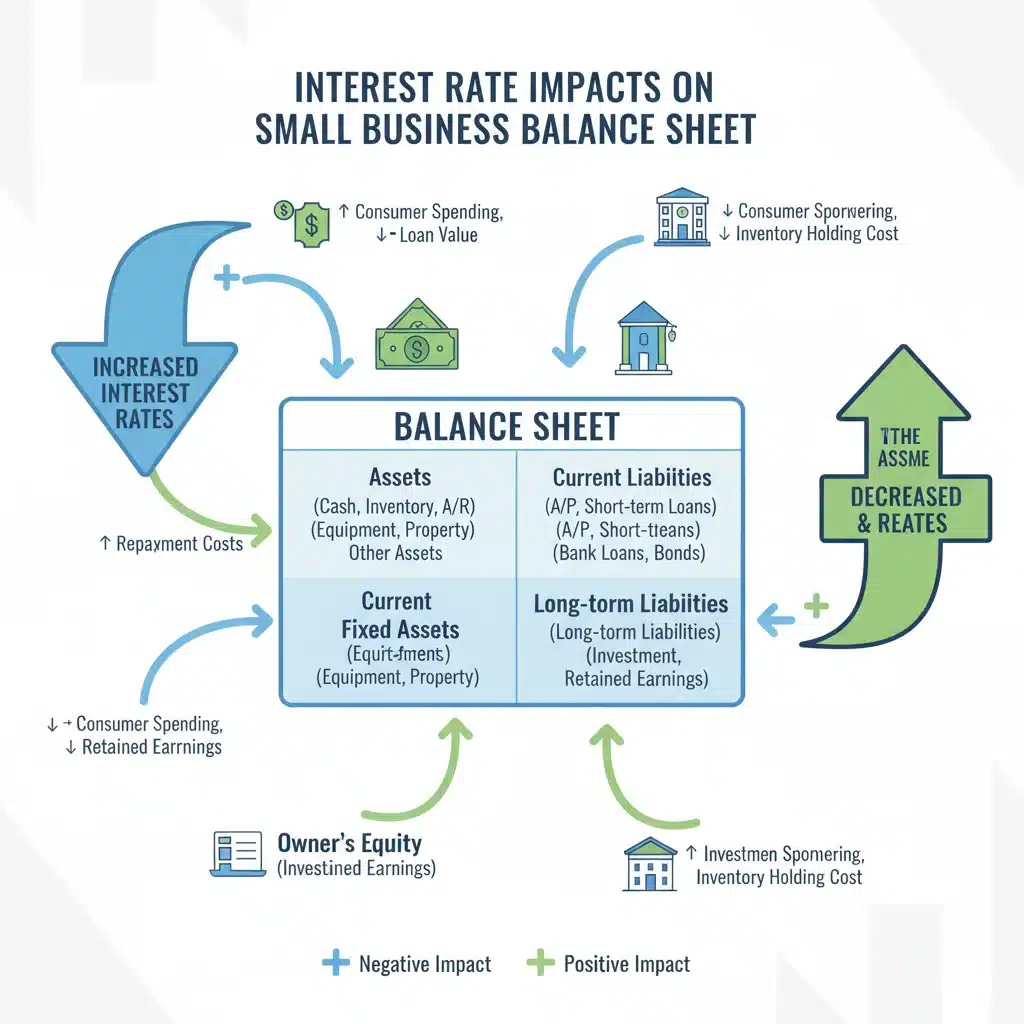
The most immediate and palpable effect of rising interest rates for small businesses is on their cost of capital. Many small businesses rely on various forms of financing to fund operations, expansion, and inventory. Let’s break down the direct financial implications:
Increased Borrowing Costs
For small businesses that utilize lines of credit, term loans, or Small Business Administration (SBA) loans, higher interest rates mean increased monthly payments. This is particularly true for loans with variable interest rates. If your business has existing debt with a variable rate, your debt service costs will automatically rise, cutting into your cash flow and profitability. For new borrowing, the cost of securing capital for expansion, equipment purchases, or working capital will be higher, potentially making some projects less viable.
Impact on Working Capital
Working capital management becomes even more critical during periods of rising interest rates. If your business relies on short-term loans or credit facilities to manage day-to-day operations, the cost of maintaining that liquidity will increase. This can strain cash flow, making it harder to cover operational expenses, purchase inventory, or meet payroll obligations.
Reduced Access to Credit
Beyond just higher costs, rising interest rates can also lead to a tightening of credit markets. Lenders may become more cautious, increasing their underwriting standards and making it more difficult for some small businesses, especially those with less established credit histories or riskier profiles, to secure financing. This reduced access to credit can stifle growth and limit a business’s ability to respond to market changes.
Impact on Investment Decisions
When the cost of borrowing goes up, the hurdle rate for investment projects also increases. A project that might have been profitable at a lower interest rate may no longer meet the required return on investment (ROI) at a higher rate. This can lead to delays or cancellations of planned capital expenditures, impacting long-term growth and competitiveness. Businesses might defer purchasing new equipment, upgrading technology, or expanding facilities.
Indirect Effects of Federal Reserve Hikes on Small Businesses
The influence of Federal Reserve Hikes extends beyond direct financial costs, permeating the broader economic environment and indirectly affecting small businesses in several ways:
Slowing Consumer Spending
Higher interest rates typically translate to increased costs for consumers, particularly on mortgages, auto loans, and credit card debt. This reduces disposable income, leading to a potential slowdown in consumer spending. For small businesses that cater directly to consumers (retail, restaurants, services), this can mean reduced sales volume and revenue. Consumers might become more price-sensitive and prioritize essential purchases over discretionary ones.
Impact on Real Estate and Rent
Rising interest rates affect commercial real estate markets. Property owners might face higher mortgage payments, which could be passed on to small business tenants in the form of increased rent. For businesses looking to purchase commercial property, the cost of financing will be higher, making ownership less attractive or affordable. This can impact overhead costs significantly, especially for businesses with physical locations.
Exchange Rate Fluctuations
Higher domestic interest rates can strengthen the national currency relative to other currencies, as it makes dollar-denominated assets more attractive to foreign investors. For small businesses involved in international trade, a stronger dollar can make exports more expensive and imports cheaper. While this might benefit businesses that rely on imported goods, it can hurt those that export their products or services, making them less competitive in global markets.
Recessionary Pressures
While the Fed’s goal is to achieve a ‘soft landing’ – curbing inflation without triggering a recession – there’s always a risk that aggressive rate hikes could slow the economy too much, leading to a downturn. A recession would bring widespread challenges, including reduced demand, increased bankruptcies, and higher unemployment, all of which would severely impact small businesses across the board.
Strategic Responses to Federal Reserve Hikes in Q3 2026
Given the potential challenges posed by the upcoming Federal Reserve Hikes, small businesses must adopt proactive and adaptive strategies. Here are key areas to focus on:
- Review and Refinance: If you have variable-rate debt, consider refinancing into a fixed-rate loan before rates climb further. Even if rates are already higher, a fixed rate can provide predictability and protect against future increases.
- Reduce Debt: Prioritize paying down high-interest debt. Freeing up cash flow from debt service can provide a crucial buffer against rising costs elsewhere.
- Negotiate with Lenders: Maintain open communication with your bank. They might offer solutions or restructuring options if you demonstrate a clear plan for managing your finances.
2. Enhance Cash Flow Management
- Strict Budgeting: Re-evaluate all expenses and identify areas for cost reduction. Even small cuts can add up.
- Accelerate Receivables: Implement stricter payment terms or offer early payment discounts to encourage customers to pay faster.
- Optimize Inventory: Avoid overstocking, which ties up capital. Use just-in-time inventory strategies where feasible to reduce holding costs.
- Build Cash Reserves: Aim to build a stronger cash reserve to weather potential downturns or unexpected expenses without resorting to high-interest borrowing.
3. Re-evaluate Pricing Strategies
With rising input costs (due to higher borrowing, supply chain issues, or increased wages), small businesses might need to adjust their pricing. This requires a delicate balance:
- Cost-Plus Pricing Review: Ensure your current pricing adequately covers your increased costs while remaining competitive.
- Value-Based Pricing: Focus on the unique value your product or service offers to justify potential price increases.
- Bundle Services/Products: Offer packages that provide perceived added value, making price increases more palatable.
- Monitor Competitors: Stay aware of how competitors are adjusting their prices.
4. Focus on Operational Efficiency
Boosting efficiency can help offset rising costs without increasing prices or sacrificing quality. Look for ways to streamline operations:
- Technology Adoption: Invest in technologies that automate tasks, improve productivity, and reduce manual labor.
- Supply Chain Optimization: Diversify suppliers, negotiate better terms, and explore local sourcing to reduce transportation costs and lead times.
- Energy Efficiency: Implement energy-saving measures to reduce utility bills.
5. Diversify Revenue Streams and Customer Base
Relying on a single product, service, or customer segment can be risky during economic uncertainty. Diversification can provide stability:
- New Products/Services: Explore complementary offerings that can appeal to existing customers or attract new ones.
- Expand Markets: Consider new geographical markets or online channels to reach a broader audience.
- Customer Retention: Focus on building strong relationships with existing customers to ensure repeat business, which is often more cost-effective than acquiring new ones.
6. Strategic Planning and Forecasting
Proactive planning is vital. Develop several financial scenarios, including best-case, worst-case, and most likely scenarios, incorporating the impact of Federal Reserve Hikes. Regularly update your financial forecasts and adjust your business plan accordingly. This includes detailed cash flow projections, profit and loss statements, and balance sheet analysis. Having a clear understanding of your financial position allows for quicker, more informed decision-making.

Opportunities Amidst the Challenges
While rising interest rates present numerous challenges, they can also create opportunities for agile and well-prepared small businesses:
Competitive Advantage
Businesses that effectively manage their finances and adapt quickly can gain a competitive edge. Competitors who are less prepared might struggle, creating market share opportunities for those who are resilient. By optimizing operations and maintaining strong cash flow, you can outmaneuver less efficient rivals.
Strategic Acquisitions
In a higher interest rate environment, some businesses might face financial distress, potentially leading to opportunities for strategic acquisitions at more favorable valuations. If your business has strong cash reserves or access to affordable capital, you might be able to acquire complementary businesses, talent, or assets.
Focus on Value and Innovation
When consumers and businesses are more cautious with spending, the focus shifts to value. Small businesses that can innovate to offer superior value, unique solutions, or highly efficient services will stand out. This could involve enhancing customer experience, developing niche products, or finding more cost-effective ways to deliver quality.
Talent Acquisition
In a potentially slowing economy, the labor market might loosen, making it easier and possibly more affordable to attract skilled talent that might have been out of reach during periods of intense competition for workers.
The Role of Government Support and Resources
Small businesses should also be aware of potential government support programs and resources that can help mitigate the impact of Federal Reserve Hikes. Organizations like the Small Business Administration (SBA) offer various loan programs, counseling services, and educational resources. Staying informed about these programs can provide crucial assistance during challenging economic periods. Local chambers of commerce and business development centers also offer valuable support, networking opportunities, and guidance tailored to regional economic conditions.
Furthermore, advocacy groups for small businesses often lobby for policies that can alleviate financial burdens, such as tax credits or simplified regulatory frameworks. Engaging with these organizations can provide a collective voice and potentially influence policy decisions that benefit the small business community.
Monitoring Economic Indicators and Staying Informed
To effectively navigate the impact of Federal Reserve Hikes, continuous monitoring of economic indicators is essential. Keep an eye on:
- Inflation Rates: Track the Consumer Price Index (CPI) and Producer Price Index (PPI) to understand inflationary pressures.
- Unemployment Data: Monitor jobless claims and the overall unemployment rate as indicators of economic health.
- Consumer Confidence: Surveys on consumer sentiment can provide insights into future spending patterns.
- GDP Growth: Gross Domestic Product figures indicate the overall economic output and growth trajectory.
- Federal Reserve Announcements: Pay close attention to FOMC (Federal Open Market Committee) meeting minutes and statements for clues about future monetary policy.
Subscribing to financial news outlets, economic journals, and consulting with financial advisors can help small business owners stay informed and make timely adjustments to their strategies. Understanding the broader economic context allows for more accurate forecasting and risk assessment.
Conclusion: Building Resilience for Q3 2026 and Beyond
The new Federal Reserve Hikes in Q3 2026 will undoubtedly present a complex environment for small businesses. However, by understanding the mechanisms at play, proactively managing finances, optimizing operations, and strategically planning for various scenarios, small businesses can not only mitigate risks but also position themselves for long-term resilience and growth. The key lies in agility, informed decision-making, and a commitment to continuous adaptation.
This period demands a thorough review of existing financial structures, a keen eye on operational efficiencies, and a renewed focus on delivering exceptional value to customers. By embracing these strategies, small business owners can transform potential headwinds into opportunities, ensuring their ventures thrive even in the face of economic uncertainty. Preparing now for the impact of these Federal Reserve Hikes is not just good practice; it’s essential for sustained success in the evolving economic landscape.