Estate Planning in 2025: Navigating New US Regulations

Navigating estate planning in 2025 is critical as new US regulations are poised to significantly alter how individuals protect their legacies, necessitating immediate review and potential adjustments to existing plans.
Are you confident your legacy is secure against the shifting sands of US policy? As we approach 2025, the landscape of estate planning in 2025 is undergoing significant transformations, driven by new regulations that could profoundly impact your financial future and the inheritance you intend to leave behind. It’s not just about having a will anymore; it’s about strategically adapting to ensure your wishes are honored and your beneficiaries are protected.
Understanding the Evolving Regulatory Environment
The world of estate planning is rarely static, but 2025 promises a particularly dynamic period. New US regulations, both anticipated and already enacted, are set to reshape how assets are transferred, taxed, and managed after your lifetime. These changes aren’t minor adjustments; they represent a fundamental shift that demands a comprehensive review of your current estate plan to avoid unintended consequences.
Many of these impending changes stem from ongoing legislative discussions and the natural sunsetting of provisions from previous tax acts. Understanding the nuances of these regulations is the first crucial step in safeguarding your legacy. Without a clear grasp of what’s coming, even a meticulously crafted plan from years past could become outdated, inefficient, or, worse, completely ineffective.
Key Legislative Triggers for 2025 Changes
- Tax Cuts and Jobs Act (TCJA) Sunset: Many provisions of the TCJA, particularly those related to estate and gift tax exemptions, are set to expire at the end of 2025, reverting to pre-TCJA levels adjusted for inflation.
- Potential New Legislation: Ongoing political discourse could introduce new laws impacting wealth transfer, charitable giving, and trust structures, creating additional layers of complexity.
- State-Level Adjustments: Beyond federal changes, individual states may also modify their estate, inheritance, or property tax laws, adding another dimension to planning considerations.
Proactive engagement with these legislative triggers is paramount. Waiting until the last minute can lead to rushed decisions, missed opportunities, and potentially higher tax liabilities for your heirs. By staying informed and consulting with financial and legal professionals, you can navigate this evolving environment with greater confidence and strategic foresight.
Impact on Estate and Gift Tax Exemptions
One of the most significant areas affected by the upcoming changes in 2025 is the federal estate and gift tax exemption. This exemption dictates how much wealth an individual can transfer during their lifetime or at death without incurring federal estate or gift taxes. The current historically high exemption amounts are scheduled to decrease significantly, posing a substantial challenge for high-net-worth individuals and families.
The sunset of the Tax Cuts and Jobs Act (TCJA) provisions means that, absent new legislation, the basic exclusion amount is expected to drop from approximately $13.61 million per individual in 2024 to around $7 million per individual (adjusted for inflation) starting in 2026. This reduction could bring many more estates into the federal estate tax bracket, making careful planning more critical than ever.
Strategies for Maximizing Current Exemptions
- Utilize Lifetime Gifting: Consider making substantial gifts now, while the higher exemption amounts are still in effect, to remove assets from your taxable estate.
- Spousal Portability: Ensure your estate plan effectively utilizes spousal portability, allowing a surviving spouse to use any unused portion of the deceased spouse’s exemption.
- Irrevocable Trusts: Explore the use of irrevocable trusts, such as Grantor Retained Annuity Trusts (GRATs) or Irrevocable Life Insurance Trusts (ILITs), to transfer assets out of your estate.
The window of opportunity to take advantage of the current generous exemption amounts is closing. For many, this means revisiting their estate plan sooner rather than later to implement strategies that leverage these higher exemptions before they are potentially halved. Failing to act could result in a much larger portion of your estate being subject to federal taxes, diminishing the inheritance for your loved ones.
Revisiting Beneficiary Designations and Trust Structures
Beyond tax exemptions, the new regulatory landscape in 2025 also necessitates a thorough review of your beneficiary designations and existing trust structures. While these elements of an estate plan might seem static, changes in tax laws, family circumstances, and even digital asset regulations can render old designations ineffective or create unforeseen complications. It’s not enough to simply name a beneficiary; you must ensure that designation aligns with current laws and your evolving intentions.
For instance, changes in tax treatment for certain types of trusts could impact their effectiveness in achieving your goals, whether that’s providing for a special needs individual, minimizing taxes, or protecting assets from creditors. Similarly, default beneficiary rules under new regulations might override your intentions if not explicitly addressed in your updated plan. A comprehensive review ensures that your assets flow precisely as you intend, without legal or tax hurdles.
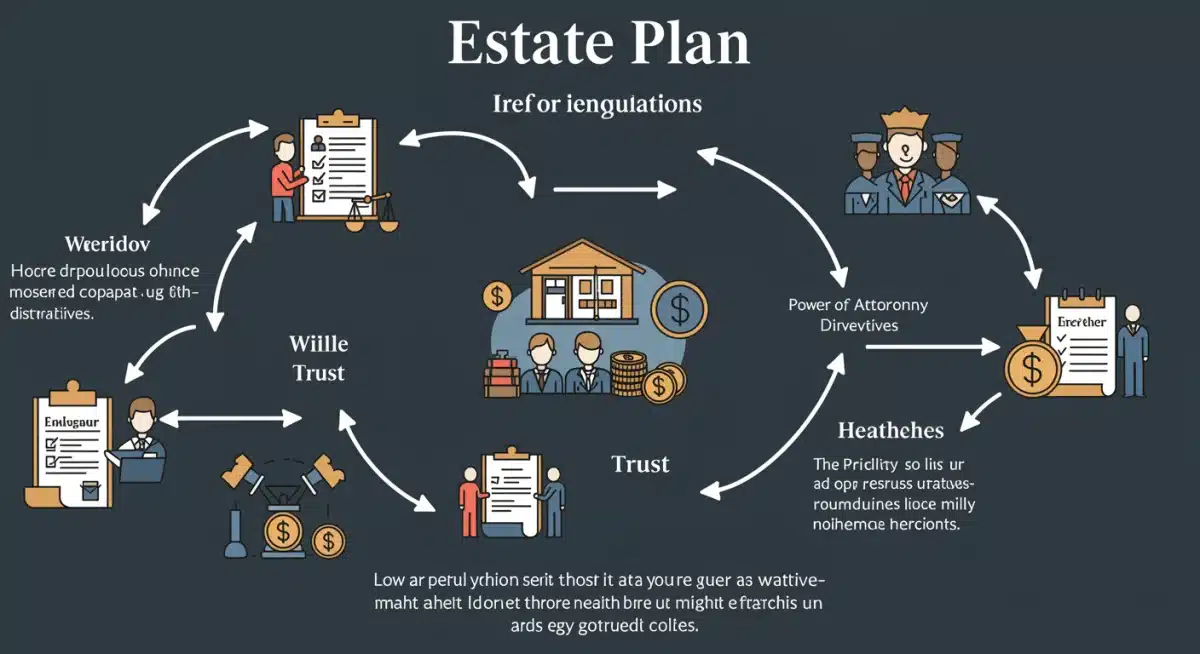
Critical Elements to Re-evaluate
- Primary and Contingent Beneficiaries: Confirm that all beneficiaries on retirement accounts, life insurance policies, and other financial instruments are up-to-date and reflect your current wishes.
- Trust Document Review: Work with an estate attorney to review existing trust documents for compliance with new tax laws and to ensure they remain effective for asset protection and distribution.
- Digital Asset Provisions: Increasingly, estate plans need to address digital assets (cryptocurrency, online accounts, social media). New regulations may provide clearer guidelines on how these can be managed and transferred.
The specifics of your trust structures and beneficiary designations are the bedrock of your estate plan. Any regulatory changes can destabilize this foundation. Regular review, especially in anticipation of significant shifts like those expected in 2025, is crucial to maintaining the integrity and effectiveness of your legacy planning.
The Growing Importance of Digital Asset Planning
As our lives become increasingly intertwined with the digital world, the need for robust digital asset planning within your estate becomes undeniable, and 2025 regulations are likely to bring this area into sharper focus. Digital assets encompass a broad spectrum, from cryptocurrency and NFTs to online financial accounts, social media profiles, and even digital photos and documents. Without specific instructions, these assets can become inaccessible or mismanaged after your passing, causing significant headaches for your heirs.
Current laws vary widely across states regarding access to digital accounts, and federal regulations are still catching up to the rapid pace of technological innovation. The anticipated changes in 2025 could introduce more standardized guidelines or, conversely, create new complexities that demand tailored solutions. Incorporating digital asset management into your estate plan is no longer optional; it is a critical component of a truly comprehensive legacy.
Ensuring your digital footprint is properly handled involves more than just listing passwords. It requires understanding the terms of service for various platforms, appointing a digital executor, and providing clear instructions on how these assets should be accessed, managed, or deleted. This foresight protects both your privacy and the value of your digital holdings for your beneficiaries.
Healthcare Directives and Powers of Attorney in 2025
While often overshadowed by discussions of wealth transfer, healthcare directives and powers of attorney remain cornerstone documents in any comprehensive estate plan, and their efficacy may also be influenced by the regulatory shifts expected in 2025. These documents ensure your medical wishes are honored and your financial affairs can be managed by a trusted individual if you become incapacitated. Any changes in healthcare legislation or financial regulations could subtly alter their interpretation or execution.
A healthcare directive, or living will, spells out your preferences for medical treatment in various scenarios, while a durable power of attorney grants someone the authority to make financial and legal decisions on your behalf. These are not merely boilerplate documents; they are deeply personal expressions of your autonomy. Reviewing them in light of new regulations ensures they remain legally sound and reflect your current desires, especially concerning evolving medical technologies and privacy laws.
Why a 2025 Review is Essential for These Documents
- Updated Medical Practices: New regulations might reflect advancements in medical care or changes in patient rights, making older directives potentially less precise or comprehensive.
- Financial Institution Compliance: Powers of attorney need to be recognized by financial institutions, and their requirements can evolve with new consumer protection or anti-fraud regulations.
- Personal Circumstance Changes: Life events (marriage, divorce, new children) can impact who you designate and what powers you grant, necessitating updates regardless of external regulations.
For many, reviewing these vital documents is as important as updating their will. They provide peace of mind, knowing that your personal and financial well-being is protected, even if you cannot advocate for yourself. The 2025 regulatory changes serve as a timely reminder to ensure these protections are robust and current.
Professional Guidance: The Cornerstone of 2025 Estate Planning
Navigating the complexities of new US regulations impacting estate planning for 2025 is not a task to undertake alone. The intricate interplay of federal and state laws, tax codes, and personal circumstances demands the expertise of qualified professionals. Engaging with an estate planning attorney, financial advisor, and possibly a tax specialist is not merely a recommendation; it is a necessity to ensure your plan is robust, compliant, and effectively achieves your legacy goals.
These professionals bring invaluable knowledge of the latest legal developments, strategic tax planning techniques, and an understanding of how to tailor solutions to your unique situation. They can help you interpret the nuances of impending changes, identify potential pitfalls, and implement sophisticated strategies that might otherwise be overlooked. Their guidance can literally save your estate millions in taxes and prevent countless hours of stress for your beneficiaries.
Benefits of Expert Collaboration
- Regulatory Interpretation: Experts can translate complex legal jargon into understandable advice, ensuring you grasp the implications of new regulations.
- Strategic Tax Mitigation: They can identify opportunities to minimize estate and gift taxes, preserving more wealth for your heirs.
- Tailored Solutions: A professional will craft a plan that aligns with your specific family dynamics, financial situation, and charitable intentions, rather than a generic approach.
- Ongoing Review and Adjustment: Estate planning is an ongoing process. Professionals provide continuous support, ensuring your plan evolves with both regulations and your life changes.
In essence, professional guidance is the cornerstone of successful estate planning in 2025. Their expertise transforms potential challenges into opportunities, providing the confidence that your legacy will be handled with precision, care, and in accordance with your deepest wishes, even amidst a changing regulatory environment.
Proactive Steps for Your 2025 Estate Plan Review
The impending changes in US regulations for 2025 make a proactive review of your estate plan not just advisable, but absolutely essential. Waiting until the last minute can lead to rushed decisions, missed opportunities, and potentially significant tax implications for your heirs. Taking deliberate steps now ensures that your legacy remains protected and your wishes are clearly articulated, regardless of how the legal and financial landscape shifts.
Start by gathering all existing estate planning documents: wills, trusts, powers of attorney, healthcare directives, and beneficiary designations for all financial accounts. This initial inventory provides a baseline from which to assess what needs updating. Follow this with a comprehensive discussion with your estate planning team to understand how the anticipated regulatory changes specifically impact your unique situation and what adjustments are immediately necessary.
An Actionable Checklist for Your Review
- Schedule a Consultation: Book an appointment with your estate planning attorney and financial advisor to discuss the 2025 outlook.
- Inventory All Assets and Liabilities: Create a current list of all your assets (financial, real estate, digital) and outstanding debts.
- Review Beneficiary Designations: Verify that all beneficiaries on retirement accounts, life insurance, and other assets are current and aligned with your intentions.
- Discuss Gifting Strategies: Explore options for utilizing current gift tax exemptions before they potentially decrease.
- Update Healthcare and Power of Attorney: Ensure these critical documents reflect your current wishes and are legally sound.
By taking these proactive steps, you not only prepare for the specific regulatory changes expected in 2025 but also establish a habit of regular estate plan maintenance. This diligence ensures your plan remains a living document, always reflecting your current life circumstances, financial goals, and legislative realities, providing enduring peace of mind for you and your loved ones.
| Key Aspect | 2025 Impact & Action |
|---|---|
| Estate & Gift Tax Exemptions | Set to decrease significantly. Consider lifetime gifting now to use higher current limits. |
| Beneficiary & Trust Review | Ensure designations align with new laws and current intentions. Update trust documents. |
| Digital Asset Planning | New regulations may standardize access. Appoint digital executor, provide clear instructions. |
| Professional Guidance | Essential for navigating complexities, tax mitigation, and tailored solutions amidst changes. |
Frequently Asked Questions About 2025 Estate Planning
A 2025 review is critical because key provisions of the Tax Cuts and Jobs Act (TCJA) are set to expire, potentially halving federal estate and gift tax exemptions. This necessitates immediate action to update plans and leverage current higher exemption amounts before they change, impacting many more estates.
The potential reduction in gift tax exemptions means that larger gifts made after 2025 might incur higher gift taxes or consume a greater portion of your lifetime exemption. Proactive gifting strategies before the sunset can help preserve more of your estate for beneficiaries.
You should incorporate explicit instructions for your digital assets, including cryptocurrency, online accounts, and social media. Appoint a digital executor and provide clear guidance on access, management, and deletion to prevent loss or legal complications for your heirs.
Yes, it is highly advisable to update your will and trust documents. Changes in federal and state laws, coupled with your personal circumstances, can render older documents less effective. A review ensures they align with current regulations and your latest intentions for asset distribution and protection.
Professional guidance from estate attorneys and financial advisors is crucial due to the complexity of anticipated regulatory changes. Experts can provide tailored advice, help interpret new laws, identify tax mitigation strategies, and ensure your estate plan is legally sound and optimized for your specific goals.
Securing Your Legacy Amidst Regulatory Shifts
The imperative to review and potentially revise your estate plan in anticipation of 2025’s new US regulations cannot be overstated. From significant shifts in estate and gift tax exemptions to the evolving landscape of digital assets and the enduring importance of healthcare directives, every aspect of your legacy planning is subject to change. Proactive engagement with these developments, coupled with the invaluable insights of seasoned professionals, is the most reliable path to ensuring your wishes are honored, your assets are protected, and your beneficiaries are secure. Embrace this moment as an opportunity to reinforce the foundations of your financial future and provide lasting peace of mind for yourself and your loved ones.