2026 Guide to Emergency Funds: Building a 6-Month Financial Safety Net
The 2026 Guide to Emergency Funds: Building a 6-Month Safety Net for Financial Resilience
In an ever-evolving global landscape, financial stability remains a cornerstone of personal well-being. As we look towards 2026, the importance of a robust emergency fund 2026 cannot be overstated. Unexpected events, whether economic downturns, job losses, health crises, or unforeseen home repairs, can derail even the most meticulously planned financial futures. A well-structured emergency fund acts as your personal financial shock absorber, providing the peace of mind and practical resources needed to navigate these challenges without resorting to high-interest debt or compromising your long-term goals. This comprehensive guide will walk you through the essential steps to build and maintain a 6-month safety net, ensuring your financial resilience for 2026 and beyond.
Understanding the ‘Why’ Behind Your Emergency Fund 2026
Before diving into the ‘how,’ it’s crucial to solidify your understanding of ‘why’ an emergency fund is indispensable. The year 2026, like any other, will present its unique set of challenges and opportunities. Economic forecasts can shift, personal circumstances can change, and global events can have ripple effects on local economies. Without an adequate safety net, these unforeseen circumstances can quickly escalate into financial crises, forcing you to make difficult choices that can have lasting negative impacts.
An emergency fund provides:
- Peace of Mind: Knowing you have a financial cushion reduces stress and anxiety during uncertain times.
- Financial Freedom: It prevents you from taking on high-interest debt (credit cards, personal loans) when emergencies strike.
- Opportunity Cost Protection: It safeguards your investments and retirement savings from being prematurely liquidated.
- Flexibility: It allows you to make rational decisions rather than rushed, desperate ones.
- Resilience: It helps you bounce back quicker from setbacks, maintaining your financial trajectory.
Think of your emergency fund 2026 as insurance for your financial life – an investment in your future stability and security.
Step 1: Calculating Your Ideal Emergency Fund 2026 Target
The golden rule often cited is to save 3 to 6 months’ worth of essential living expenses. For 2026, we advocate for a 6-month target, especially given the ongoing volatility in various sectors. But what exactly constitutes ‘essential living expenses’? This isn’t just about what you spend; it’s about what you absolutely need to survive if your income were to suddenly disappear.
A. List Your Essential Monthly Expenses:
Go through your bank statements and budget from the last few months. Categorize your spending into ‘essential’ and ‘discretionary.’ Essential expenses typically include:
- Housing (rent/mortgage)
- Utilities (electricity, water, gas, internet – basic plan)
- Food (groceries, not dining out)
- Transportation (car payment, insurance, gas, public transport)
- Minimum loan payments (student loans, car loans – only minimums)
- Insurance premiums (health, life, home, auto)
- Essential medical costs (prescriptions, necessary doctor visits)
- Childcare (if applicable)
Discretionary expenses, which you would cut immediately in an emergency, include:
- Dining out, takeout
- Entertainment (streaming services, movies, concerts)
- Vacations
- Gym memberships (if not critical for health)
- New clothing (beyond essential needs)
- Hobbies
Be brutally honest with yourself. The goal is to determine the absolute minimum you need to maintain a roof over your head, food on your table, and basic necessities covered.
B. Multiply by Six:
Once you have your total essential monthly expenses, multiply that number by six. This is your target for your emergency fund 2026. For example, if your essential monthly expenses are $3,000, your target fund would be $18,000.
C. Consider Your Personal Circumstances:
While 6 months is a good baseline, some situations warrant an even larger fund:
- Unstable Job Market: If your industry is prone to layoffs or your job security is low.
- Single-Income Household: Relying on one income increases vulnerability.
- Dependents: Children or elderly parents who rely on your income.
- Health Issues: Chronic conditions or high medical deductibles.
- Self-Employment: Income can be irregular, requiring a larger buffer.
- High-Deductible Insurance Plans: You’ll need more cash readily available.
Conversely, if you have multiple income streams, a stable job, and low fixed expenses, you might feel comfortable with a slightly smaller fund, but 6 months remains a strong recommendation for optimal peace of mind as part of your emergency fund 2026 strategy.
Step 2: Strategies for Building Your Emergency Fund 2026
Once you have your target, the next step is to formulate a realistic and actionable plan to reach it. This isn’t a sprint; it’s a marathon that requires discipline and consistent effort.
A. Automate Your Savings:
The easiest way to save is to make it automatic. Set up an automatic transfer from your checking account to a dedicated savings account each payday. Treat this transfer like any other bill you have to pay. Even if it’s a small amount to start, consistency is key. Gradually increase the amount as your financial situation improves.
B. Cut Discretionary Spending:
Revisit your budget and identify areas where you can trim discretionary spending. Every dollar saved from daily coffees, unnecessary subscriptions, or impulse purchases can be redirected to your emergency fund 2026. Challenge yourself to a ‘no-spend’ week or month to see how much you can truly save.
C. Increase Your Income:
If cutting expenses isn’t enough, consider boosting your income. This could involve:
- Side Hustles: Freelancing, gig economy work, selling crafts, pet-sitting, etc.
- Selling Unused Items: Declutter your home and sell items on online marketplaces.
- Overtime at Work: If available and manageable.
- Asking for a Raise: If you’re due for one and have a strong case.
Direct any extra income straight into your emergency fund. This can significantly accelerate your progress towards your emergency fund 2026 goal.
D. Windfalls and Bonuses:
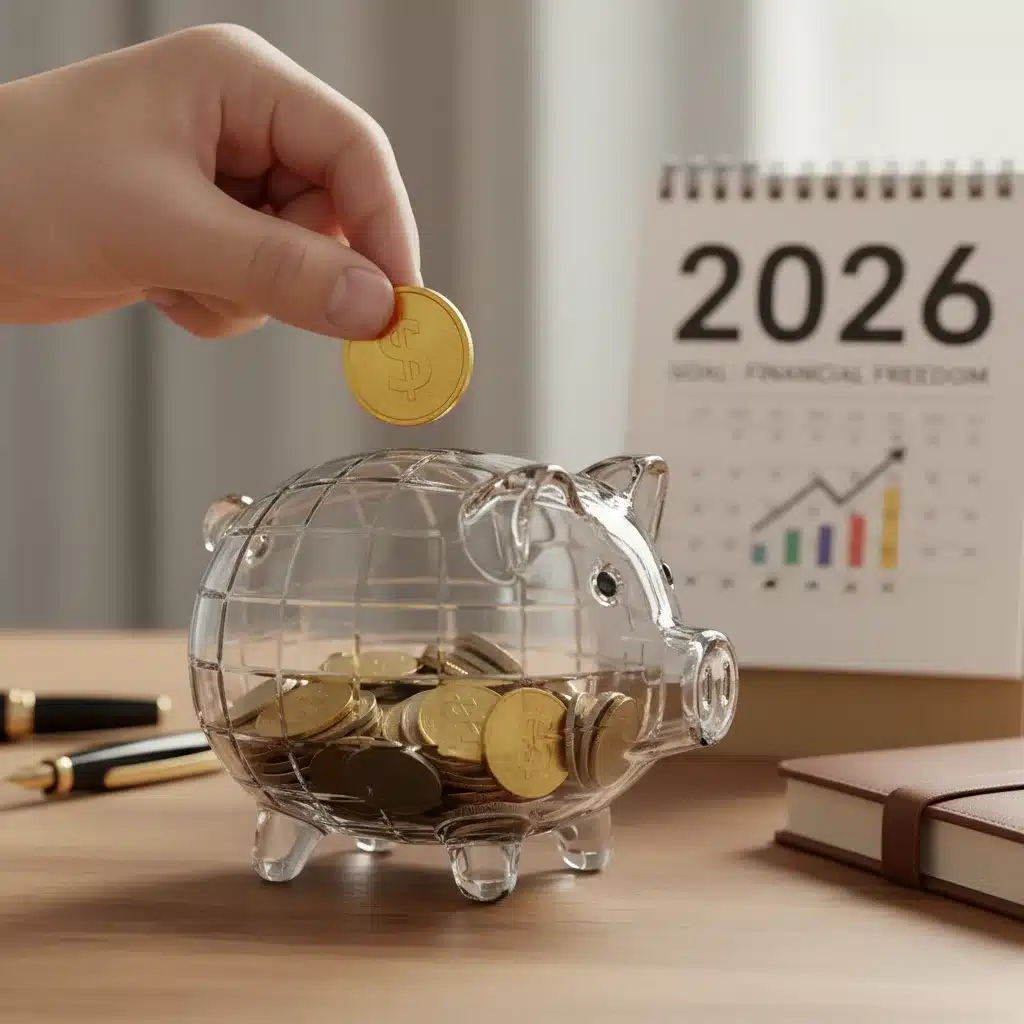
Did you receive a tax refund, work bonus, or unexpected gift? Resist the urge to spend it. These windfalls are perfect opportunities to make a substantial contribution to your emergency fund 2026, potentially cutting months off your saving timeline.
E. Debt Snowball/Avalanche for Extra Cash Flow (Post-Emergency Fund):
While building your emergency fund, prioritize it over aggressive debt repayment, especially high-interest consumer debt. However, once you have a foundational emergency fund (e.g., 1-2 months’ expenses), you might consider a hybrid approach. Some experts suggest paying off high-interest debt while simultaneously saving. The ultimate goal is to have both a solid emergency fund and minimal high-interest debt. Once your emergency fund is fully funded, then you can aggressively tackle debt using the snowball or avalanche method, freeing up more cash flow for future savings and investments.
Step 3: Where to Store Your Emergency Fund 2026
The location of your emergency fund is almost as important as the act of saving it. It needs to be easily accessible but not so easily accessible that you’re tempted to dip into it for non-emergencies. Liquidity and safety are paramount.
A. High-Yield Savings Accounts (HYSAs):
This is the gold standard for an emergency fund 2026. HYSAs offer:
- Higher Interest Rates: While not astronomical, they offer significantly more interest than traditional savings accounts, helping your money grow, albeit slowly.
- Liquidity: You can access your money quickly, usually within 1-3 business days.
- Safety: Most HYSAs are FDIC-insured (up to $250,000 per depositor, per bank), protecting your principal.
- Separation: Keeping it in a separate bank from your primary checking account reduces the temptation to spend it.
Research different banks for the best rates and minimal fees for your emergency fund 2026.
B. Money Market Accounts (MMAs):
Similar to HYSAs, MMAs often offer competitive interest rates and FDIC insurance. They might come with check-writing privileges or a debit card, which could offer slightly more immediate access, but also more temptation. Ensure you understand any transaction limits.
C. Short-Term Certificates of Deposit (CDs) – With Caution:
For a portion of a very large emergency fund (e.g., funds beyond 3-4 months’ expenses), you might consider a short-term CD (e.g., 3-6 months) if rates are particularly attractive. However, CDs typically penalize early withdrawals, making them less ideal for funds you might need immediately. This strategy is only for the ‘extra’ buffer, not your core accessible fund.
What to Avoid for Your Emergency Fund 2026:
- Checking Accounts: Too easily accessible for everyday spending.
- Stock Market/Investments: Volatile and not guaranteed. You don’t want to be forced to sell during a market downturn.
- Physical Cash: Risky due to theft or loss, and doesn’t earn interest.
- Home Equity Line of Credit (HELOC): While it offers access to funds, it’s debt, and you risk losing your home if you can’t repay it.
Step 4: Maintaining and Replenishing Your Emergency Fund 2026
Building your emergency fund is a significant achievement, but maintaining it is an ongoing responsibility. Life happens, and you will likely need to dip into it at some point. The key is to understand when and how to use it, and most importantly, how to replenish it.
A. When to Use Your Emergency Fund 2026:
Only use your fund for true emergencies. These are typically:
- Job loss or significant income reduction.
- Major unexpected medical expenses (after insurance).
- Unforeseen home repairs (e.g., burst pipe, furnace breakdown).
- Major car repairs essential for transportation to work.
- Urgent travel due to a family crisis.
It is NOT for:
- Vacations or luxury purchases.
- Holiday shopping.
- A new gadget you’ve been eyeing.
- Investment opportunities (unless it’s a specific, planned investment with separate funds).
If you’re unsure, ask yourself: ‘Is this truly unexpected, unavoidable, and financially catastrophic if I don’t address it now?’
B. Replenishing Your Fund:
If you do use a portion of your emergency fund 2026, make replenishing it your absolute top financial priority. Treat it with the same urgency you did when initially building it. Re-implement your automatic transfers, cut discretionary spending, and direct any extra income towards bringing it back up to your 6-month target. This might mean temporarily pausing other savings goals, such as retirement contributions, until your emergency fund is whole again.
C. Review and Adjust Annually (or as Needed):
Your essential living expenses can change. Review your budget and your emergency fund 2026 target at least once a year, or whenever there’s a significant life event:
- Marriage or divorce.
- Birth of a child or new dependents.
- Change in job or income.
- Major purchase (e.g., new home with higher mortgage/expenses).
- Significant changes in health.
Ensure your fund still adequately covers 6 months of your current essential expenses.

Advanced Considerations for Your Emergency Fund 2026
Once you’ve built a solid 6-month emergency fund, you might consider some advanced strategies to optimize your financial security.
A. Laddering Your Emergency Fund (for Larger Funds):
If you have a very large emergency fund (e.g., 12+ months of expenses), you might consider ‘laddering’ it. This involves keeping a portion in a highly liquid HYSA and another portion in slightly less liquid, but higher-yielding, short-term CDs that mature at staggered intervals. This allows you to capture better interest rates on a portion of your funds without sacrificing complete liquidity for your immediate needs.
B. Inflation and Your Emergency Fund:
Inflation erodes the purchasing power of your money over time. While an emergency fund isn’t an investment designed for significant growth, it’s wise to consider inflation when reviewing your fund annually. If your expenses have increased due to inflation, you may need to add more to your fund to maintain the same real purchasing power for 6 months of expenses.
C. Integrating with Other Financial Goals:
Your emergency fund 2026 is foundational. Once it’s secure, you can more confidently pursue other financial goals like:
- Maxing out retirement accounts (401k, IRA).
- Saving for a down payment on a home.
- Investing in the stock market.
- Saving for your children’s education.
Without an emergency fund, progress on these goals can be easily undone by unexpected events. It’s the protective layer that allows your other financial aspirations to thrive.
D. The Psychological Benefits:
Beyond the purely financial aspects, a well-funded emergency fund 2026 offers immense psychological benefits. It reduces stress, improves sleep, and allows you to approach life’s uncertainties with a greater sense of control and confidence. This mental well-being is invaluable and often overlooked in financial planning discussions.
Common Pitfalls to Avoid When Building Your Emergency Fund 2026
Even with the best intentions, people can make mistakes that hinder their emergency fund progress. Be aware of these common pitfalls:
A. Not Having a Dedicated Account:
Mingling emergency funds with everyday spending money in a checking account makes it too easy to spend. A separate HYSA is crucial for mental and practical separation.
B. Underestimating Expenses:
Being overly optimistic about your essential expenses will leave you short. Be thorough and realistic in your calculations.
C. Lack of Automation:
Relying on manual transfers means you’re more likely to skip contributions, especially when other expenses pop up. Automate it!
D. Using It for Non-Emergencies:
This is perhaps the biggest pitfall. Clearly define what constitutes an emergency for yourself and stick to it. Every time you dip into it for a non-emergency, you undermine its purpose and delay your financial security.
E. Stopping Once You Hit the Target:
While hitting your 6-month target is a milestone, remember that life changes. Your fund needs to be reviewed and potentially adjusted annually to keep pace with inflation and life events. It’s not a ‘set it and forget it’ account forever.
F. Not Having a Plan for Replenishment:
If you do use your fund, having a clear, immediate plan to rebuild it is vital. Procrastination here can leave you vulnerable for an extended period.
The Future of Emergency Funds in 2026 and Beyond
As technology advances and global economic patterns shift, the fundamental need for an emergency fund remains constant. In 2026, we might see further integration of AI-driven budgeting tools and personalized financial advice that can help individuals better track expenses and optimize savings. The rise of fractional investing platforms could also offer new ways to potentially grow a portion of a larger emergency buffer, though liquidity and safety must always be prioritized. Regardless of these innovations, the core principles of calculating needs, consistent saving, and strategic placement will continue to be the bedrock of a successful emergency fund 2026.
Furthermore, the lessons learned from recent global events have underscored the importance of financial preparedness. More individuals are recognizing that relying solely on credit or government assistance in a crisis is not a sustainable long-term strategy. This growing awareness is likely to solidify the emergency fund’s place as a non-negotiable component of any sound financial plan.
Conclusion: Secure Your 2026 with a Strong Emergency Fund
Building a 6-month emergency fund 2026 is one of the most impactful financial decisions you can make. It’s a proactive step towards safeguarding your financial future against the inevitable uncertainties of life. By diligently calculating your essential expenses, implementing effective saving strategies, choosing the right storage vehicle, and committing to its maintenance, you can achieve unparalleled financial resilience and peace of mind.
Don’t wait for a crisis to realize the value of an emergency fund. Start today, even if with small steps. Each dollar saved brings you closer to a more secure and stable 2026, allowing you to face whatever comes your way with confidence and control. Your future self will thank you for the foresight and discipline you apply now.