Expert Analysis: The 2026 US Housing Market and Its Ripple Effect on Construction Businesses
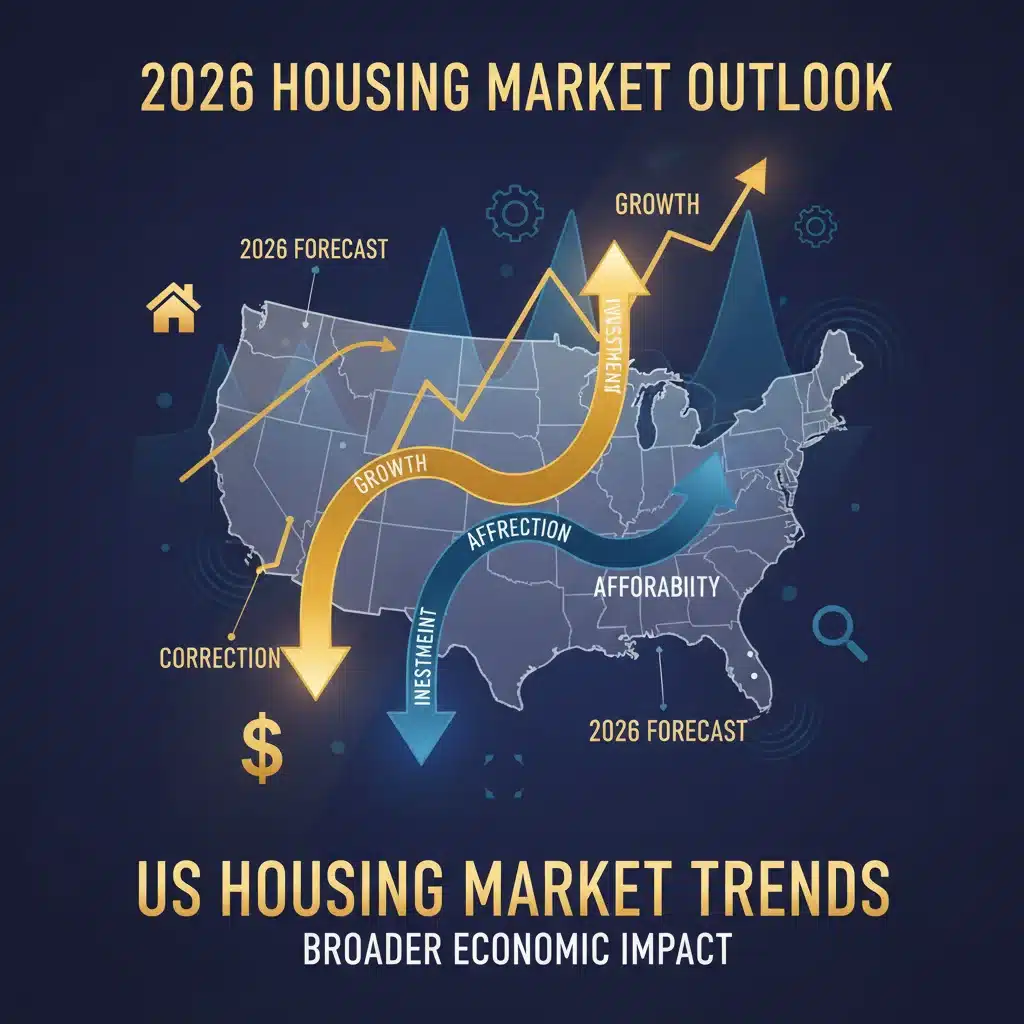
The United States housing market is a dynamic and multifaceted entity, constantly evolving under the influence of economic shifts, demographic changes, technological advancements, and governmental policies. As we look towards 2026, understanding the trajectory of this market becomes paramount, especially for the construction businesses that form its backbone. This expert analysis will delve deep into the anticipated state of the 2026 US Housing Market, exploring key drivers, potential challenges, and the profound ripple effects on the construction sector. Our goal is to provide a comprehensive outlook that empowers stakeholders to strategize effectively for the years ahead.
The housing market is not merely a collection of transactions; it is a critical barometer of economic health, a significant contributor to GDP, and a fundamental aspect of societal well-being. For construction businesses, the health of the housing market directly translates into project pipelines, employment opportunities, and overall profitability. Therefore, a nuanced understanding of future trends is not just beneficial, but essential for survival and growth in a competitive landscape.
Understanding the Current Landscape: Precursors to 2026
Before we can accurately project the 2026 US Housing Market, it’s crucial to acknowledge the forces currently shaping it. The post-pandemic era has been characterized by unprecedented volatility. We’ve seen historic lows in interest rates driving a frenzied buying spree, followed by rapid rate hikes designed to combat inflation, which in turn cooled demand. Supply chain disruptions, labor shortages, and escalating material costs have also placed immense pressure on builders, impacting everything from project timelines to profit margins.
Key Factors Influencing the Market
- Interest Rates: The Federal Reserve’s monetary policy remains a dominant factor. Future rate adjustments will directly influence mortgage affordability and, consequently, buyer demand.
- Inflation: Persistent inflation affects the cost of living, disposable income, and the cost of construction materials and labor.
- Housing Supply: A chronic shortage of housing units, particularly affordable ones, continues to underpin market dynamics. This deficit has been exacerbated by slow construction rates and regulatory hurdles.
- Demographic Shifts: Millennial and Gen Z populations are increasingly entering prime home-buying ages, bringing new demands and preferences to the market.
- Remote Work Trends: The shift towards remote and hybrid work models has redefined where and how people want to live, influencing migration patterns and demand for different types of housing.
- Economic Growth: Overall economic stability and job growth are fundamental to sustaining a healthy housing market.
Forecasting the 2026 US Housing Market: Key Predictions
Based on current trends and expert consensus, the 2026 US Housing Market is anticipated to be characterized by a complex interplay of stabilization, continued demand, and persistent affordability challenges. While a return to the hyper-growth of 2020-2021 is unlikely, we don’t foresee a catastrophic collapse either.
Stabilization and Moderate Growth
By 2026, it is projected that interest rates will have largely stabilized, albeit likely at levels higher than the pre-2022 era. This normalization will bring a degree of predictability to mortgage payments, allowing buyers to adjust their expectations. We anticipate a period of moderate home price appreciation, moving away from the double-digit increases seen recently. This more sustainable growth will be healthier for the long-term stability of the market.
Persistent Supply-Demand Imbalance
The underlying structural shortage of housing units is not expected to be resolved by 2026. While construction activity may pick up, it will likely struggle to keep pace with demographic demand. This persistent imbalance will continue to exert upward pressure on prices, especially in desirable urban and suburban areas. The demand for single-family homes, driven by younger families and remote workers seeking more space, will likely remain robust.
Affordability Remains a Central Challenge
Despite moderate price growth, affordability will likely remain a significant hurdle for many prospective homebuyers in 2026. Higher interest rates combined with elevated home prices mean that a larger portion of income will be required for mortgage payments. This challenge will be particularly acute for first-time buyers and those in lower to middle-income brackets. Policy interventions, such as increased incentives for affordable housing development and first-time buyer programs, may become more prevalent.
Regional Variances
The 2026 US Housing Market will not be monolithic. Regional variations will be pronounced. Areas with strong job growth, expanding tech sectors, and favorable tax environments will likely see stronger demand and price appreciation. Conversely, regions experiencing outward migration or economic stagnation may see flatter or even declining values. Sun Belt states and certain Mountain West regions are expected to continue attracting residents, while some coastal urban centers might see a more measured recovery.
Ripple Effects on Construction Businesses
The dynamics of the 2026 US Housing Market will have profound and direct ripple effects on construction businesses. These businesses must be agile, adaptable, and forward-thinking to navigate the evolving landscape.
Shift in Project Focus
With ongoing affordability concerns, there may be a greater emphasis on building more attainable housing options. This could mean a pivot towards smaller homes, townhouses, and multi-family developments, particularly in areas with high land costs. Construction businesses specializing in these types of projects may find increased opportunities. Additionally, the demand for renovations and additions to existing homes might grow as homeowners opt to improve rather than move, especially if interest rates make new purchases less attractive.
Continued Emphasis on Efficiency and Innovation
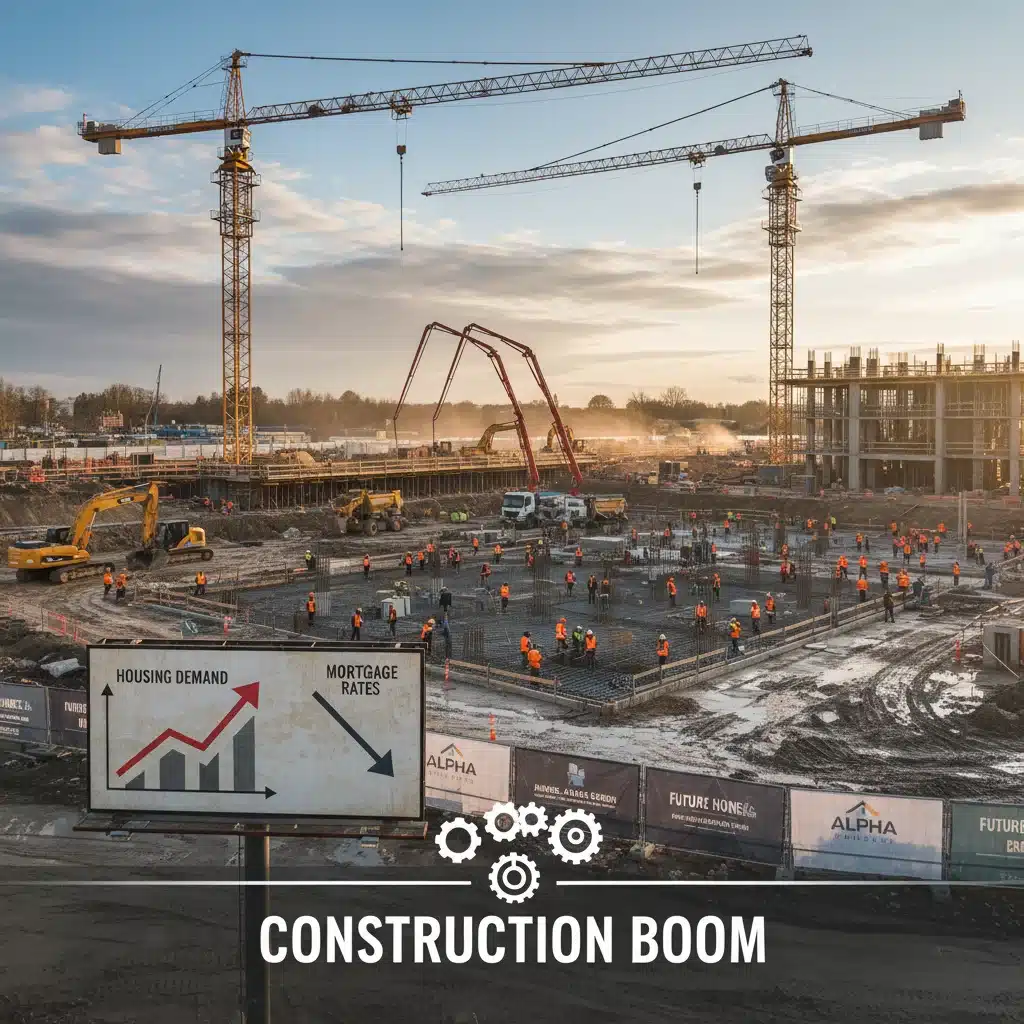
Rising material and labor costs will continue to squeeze profit margins. This pressure will necessitate an even greater focus on efficiency, cost-effective construction methods, and innovative technologies. Modular construction, prefabrication, and advanced building materials that reduce waste and expedite timelines will become increasingly vital. Construction firms that embrace these innovations will gain a significant competitive edge.
Labor Market Challenges Persist
The shortage of skilled labor is a long-standing issue in the construction industry, and it is unlikely to be fully resolved by 2026. This means construction businesses will need to continue investing in workforce development, training programs, and competitive compensation packages. Attracting and retaining talent will remain a top priority. Automation and robotics may also play a larger role in mitigating labor gaps, particularly for repetitive or dangerous tasks.
Sustainability and Resiliency Become Core Drivers
Growing environmental awareness and the increasing frequency of extreme weather events will push sustainability and resiliency to the forefront of construction practices. Buyers are increasingly seeking energy-efficient homes with lower utility costs, and regulations are becoming stricter. Construction businesses that can offer green building solutions, utilize sustainable materials, and design for climate resilience will be well-positioned for future success. This includes everything from solar panel installations to advanced insulation and water-saving technologies.
Digital Transformation Accelerates
The adoption of digital tools and technologies will accelerate within the construction sector. Building Information Modeling (BIM), project management software, drone technology for site surveys, and augmented reality (AR) for visualization and training will become more mainstream. These tools enhance collaboration, improve accuracy, reduce errors, and optimize project delivery, all of which are crucial in a challenging market.
Strategies for Construction Businesses to Thrive in 2026
To not just survive but thrive in the 2026 US Housing Market, construction businesses must adopt proactive and strategic approaches. Here are key areas of focus:
Diversify Project Portfolios
Reliance on a single type of housing construction can be risky. Businesses should consider diversifying into different segments, such as multi-family, affordable housing, renovations, or even commercial projects, to hedge against market fluctuations in any one area. Exploring public-private partnerships for infrastructure or community development projects could also open new revenue streams.
Optimize Supply Chain Management
Lessons learned from recent supply chain disruptions must be integrated into long-term strategies. Establishing stronger relationships with multiple suppliers, exploring local sourcing options, and utilizing technology to predict and mitigate supply chain risks will be crucial. Bulk purchasing and forward-buying when prices are favorable can also offer significant advantages.
Invest in Workforce Development and Technology
Addressing the labor shortage requires a multi-pronged approach. This includes investing in apprenticeships, offering competitive benefits, fostering a positive work culture, and exploring partnerships with vocational schools. Simultaneously, strategic investment in automation and digital tools can boost productivity and reduce reliance on manual labor for certain tasks. Training existing staff on new technologies is also vital.
Embrace Sustainable Building Practices
Integrating green building techniques and materials is no longer a niche market; it’s becoming a mainstream expectation. Construction businesses should develop expertise in energy-efficient design, renewable energy systems, and sustainable material sourcing. Marketing these capabilities can attract environmentally conscious buyers and help meet evolving regulatory standards.
Strengthen Financial Planning and Risk Management
In a volatile market, robust financial planning is non-negotiable. This includes maintaining healthy cash reserves, carefully managing debt, and conducting thorough financial forecasting. Implementing comprehensive risk management strategies, including scenario planning for different market conditions, will help businesses withstand unexpected shocks. Understanding and managing interest rate exposure, for example, will be paramount.

Focus on Customer-Centric Approaches
Even in a demanding market, customer satisfaction remains key. Businesses that offer exceptional quality, transparent communication, and personalized service will build stronger reputations and secure repeat business and referrals. Understanding evolving buyer preferences, such as smart home technology integration and flexible living spaces, will also be critical.
Governmental and Policy Influences
Government policies at local, state, and federal levels will continue to play a significant role in shaping the 2026 US Housing Market and, by extension, the construction industry. Potential policy changes include:
- Zoning and Land Use Reform: Efforts to ease restrictive zoning laws that limit housing density could increase supply and affordability.
- Incentives for Affordable Housing: Tax credits, grants, and other subsidies for developers building affordable housing units will be crucial.
- Infrastructure Spending: Investments in infrastructure (roads, utilities) can open up new areas for development and reduce construction costs.
- Environmental Regulations: Stricter building codes related to energy efficiency and climate resilience will require adaptation from the industry but also create new opportunities for specialized firms.
- First-Time Homebuyer Programs: Continued or expanded federal and state programs to assist first-time buyers with down payments or favorable loan terms could boost demand.
Construction businesses should stay abreast of these policy developments, as they can create both challenges and significant opportunities. Advocacy for policies that support sustainable growth and address industry challenges will also be important.
The Role of Technology in Market Adaptation
Technology will be an indispensable ally for construction businesses navigating the 2026 US Housing Market. Beyond just efficiency, technology offers pathways to innovation and competitive advantage.
Advanced Analytics and Market Intelligence
Leveraging data analytics to understand market trends, predict demand, and identify optimal locations for development will become standard practice. This includes analyzing demographic data, economic indicators, and even social media trends to make informed decisions.
Digital Twins and Predictive Maintenance
The concept of digital twins – virtual replicas of physical assets – can extend beyond the construction phase into building operations, allowing for predictive maintenance and optimizing building performance, which adds value for future homeowners and property managers.
Robotics and Automation on Site
While full automation of construction sites is still some way off, the increasing use of robotics for tasks like bricklaying, welding, and even interior finishing can significantly improve speed, precision, and safety, helping to mitigate labor shortages and enhance productivity.
Enhanced Communication and Collaboration Platforms
Cloud-based platforms that integrate project management, communication, and document sharing will continue to streamline operations, especially for businesses managing multiple projects or remote teams. This fosters better collaboration between architects, engineers, contractors, and clients.
Conclusion: Navigating the Future of the US Housing Market
The 2026 US Housing Market is poised to be a period of recalibration and strategic adaptation rather than extreme swings. While challenges like affordability, labor shortages, and material costs will persist, opportunities for growth abound for those construction businesses willing to innovate, diversify, and prioritize efficiency and sustainability.
Success in this evolving market will hinge on a proactive approach: understanding the underlying economic and demographic forces, embracing technological advancements, and fostering a resilient and skilled workforce. By carefully planning and strategically executing, construction businesses can not only navigate the complexities of 2026 but emerge stronger and more competitive, continuing to build the homes and communities that define the American landscape.
The ripple effect of the housing market is far-reaching, touching every aspect of the construction supply chain, from raw material producers to real estate agents. Therefore, a collective effort across the industry, supported by sensible policy, will be essential to ensure a stable, accessible, and vibrant housing future for all Americans. The path to 2026 is one of thoughtful evolution, requiring foresight and flexibility from every player in this vital sector.