2026 US Retail Trends: Mastering E-commerce Personalization Demands
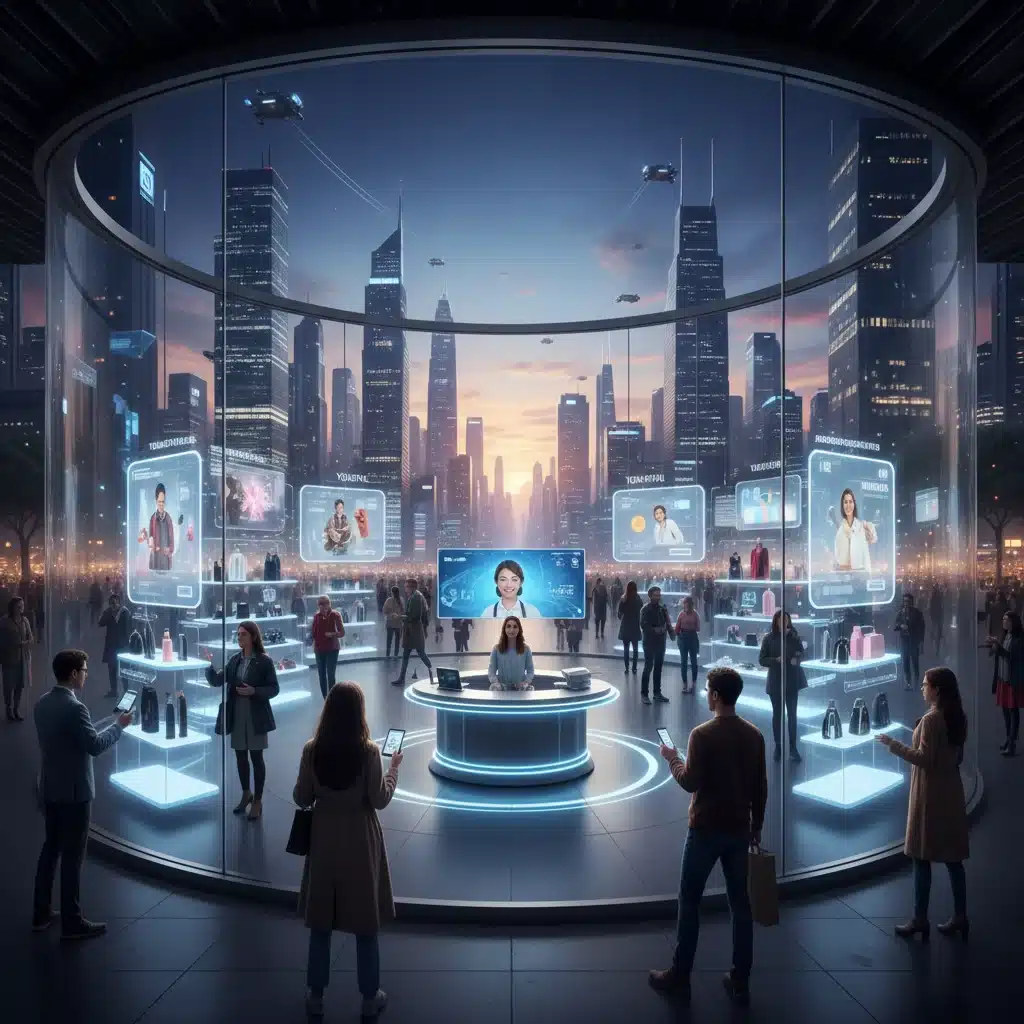
The United States retail sector is on the cusp of a transformative era, with 2026 poised to be a pivotal year defined by heightened consumer expectations and technological advancements. At the heart of this evolution lies an undeniable surge in the demand for personalization, particularly within the e-commerce domain. Industry forecasts indicate a significant 7% increase in e-commerce personalization demands, a figure that underscores a fundamental shift in how consumers interact with brands and make purchasing decisions. This isn’t merely a fleeting trend; it’s a foundational change that will reshape strategies, investments, and the very definition of a successful retail experience. Businesses that fail to adapt to this new paradigm risk obsolescence, while those that embrace advanced personalization will unlock unprecedented growth opportunities. Understanding the nuances of this shift, and proactively implementing strategies to meet these evolving demands, is no longer optional – it’s imperative for survival and prosperity in the competitive US retail landscape.
The concept of personalization in retail has evolved far beyond simply addressing a customer by their first name in an email. Today, it encompasses a holistic approach to understanding individual preferences, predicting future needs, and delivering tailored experiences across every touchpoint. From highly relevant product recommendations and customized marketing messages to personalized pricing and unique in-store interactions, consumers expect brands to know them, anticipate their desires, and cater to their individual journeys. This deep level of understanding is fueled by vast amounts of data, sophisticated analytics, and the power of artificial intelligence. The 7% increase isn’t just a number; it represents a growing consumer sophistication and a diminishing tolerance for generic, one-size-fits-all approaches. Retailers must now think like their customers, putting individual needs and desires at the forefront of their operational and strategic planning. The future of US Retail Personalization hinges on this empathetic and data-driven approach.
The Unstoppable Rise of E-commerce Personalization
The digital revolution has irrevocably altered consumer behavior. E-commerce, once a supplementary channel, has become a primary shopping destination for millions of Americans. This digital-first mindset has accelerated the demand for personalization. When browsing online, consumers expect websites and apps to intuitively understand their preferences, past purchases, and even browsing history to present them with highly relevant options. The days of endless scrolling through irrelevant products are over; today’s online shopper demands efficiency and precision. This trend is further amplified by the proliferation of mobile shopping, where convenience and immediate gratification are paramount. A personalized mobile experience, from push notifications about items left in a cart to location-based offers, can significantly enhance customer engagement and conversion rates. The 7% increase in e-commerce personalization demands is a direct reflection of this digital maturation, signaling that online platforms are now the primary battleground for customer loyalty and market share. Retailers must invest heavily in their digital infrastructure and personalization capabilities to stay competitive in this rapidly evolving environment.
The drivers behind this increased demand are multifaceted. Firstly, the sheer volume of products and services available online can be overwhelming. Personalization acts as a powerful filter, helping consumers navigate vast inventories to find exactly what they’re looking for, or discover new items they might love. Secondly, consumers are increasingly time-poor and value efficiency. A personalized experience saves them time and effort, making the shopping journey more enjoyable and less frustrating. Thirdly, the rise of social media and influencer culture has fostered a desire for unique and curated experiences. Consumers see others receiving tailored recommendations and expect the same from their favorite brands. Finally, the growing awareness of data privacy, ironically, also fuels the demand for personalization. If consumers are sharing their data, they expect a tangible return in the form of improved, personalized services. This complex interplay of factors is driving the need for sophisticated US Retail Personalization strategies.
Key Drivers of the 7% Personalization Surge
Several critical factors are converging to propel the 7% increase in e-commerce personalization demands. Understanding these drivers is essential for retailers to formulate effective responses. One primary driver is the sheer advancement and accessibility of data analytics and artificial intelligence (AI). Modern AI algorithms can process vast datasets – including purchase history, browsing behavior, demographics, social media activity, and even real-time interactions – to create incredibly accurate customer profiles. This allows for hyper-segmentation and the delivery of recommendations that are not just relevant, but often predictive of future desires. Without these technological capabilities, true personalization at scale would be impossible.
Another significant factor is the ‘Amazon Effect’. Companies like Amazon have set an incredibly high bar for personalized customer experiences, making tailored recommendations and seamless interactions the norm rather than the exception. Consumers, having experienced this level of service, now expect it from every brand they interact with. This has created a ripple effect across the entire retail industry, forcing even smaller players to invest in personalization technologies to remain competitive. The psychological impact of receiving a perfectly timed and relevant offer cannot be overstated; it fosters a sense of being understood and valued, which in turn builds loyalty.
Furthermore, the shift towards a more experiential economy plays a crucial role. Consumers are no longer just buying products; they are buying experiences. Personalization contributes significantly to this experiential aspect, making the shopping journey feel unique and curated. This is particularly true for younger generations, who prioritize authenticity and individuality. Brands that can deliver a personalized experience are seen as more authentic and attuned to their customers’ needs. Finally, the competitive landscape itself is a driver. With more brands vying for consumer attention, personalization offers a powerful differentiator, allowing retailers to stand out in a crowded market by offering something truly unique to each individual. These interconnected drivers collectively underscore the urgency for robust US Retail Personalization strategies.
Strategic Imperatives for Retailers in 2026
To navigate the evolving retail landscape of 2026 and effectively address the rising personalization demands, retailers must adopt a multi-pronged strategic approach. This involves not only technological investments but also a fundamental rethinking of customer engagement and operational processes. The first imperative is a robust and integrated data strategy. Without clean, comprehensive, and accessible data, any personalization efforts will be superficial at best. Retailers need to break down data silos, consolidating information from all touchpoints – online, in-store, mobile, social – into a unified customer profile. This ‘single customer view’ is the bedrock upon which meaningful personalization is built.
The second imperative is the intelligent deployment of Artificial Intelligence and Machine Learning (AI/ML). These technologies are no longer luxuries but necessities for scalable personalization. AI can analyze vast datasets to identify patterns, predict behavior, and automate the delivery of personalized content and offers. From AI-powered recommendation engines that suggest products based on real-time browsing to chatbots that provide personalized customer service, AI/ML will be at the forefront of meeting the 7% increase in personalization demands. Investing in these capabilities, and ensuring the talent to manage them, is paramount.
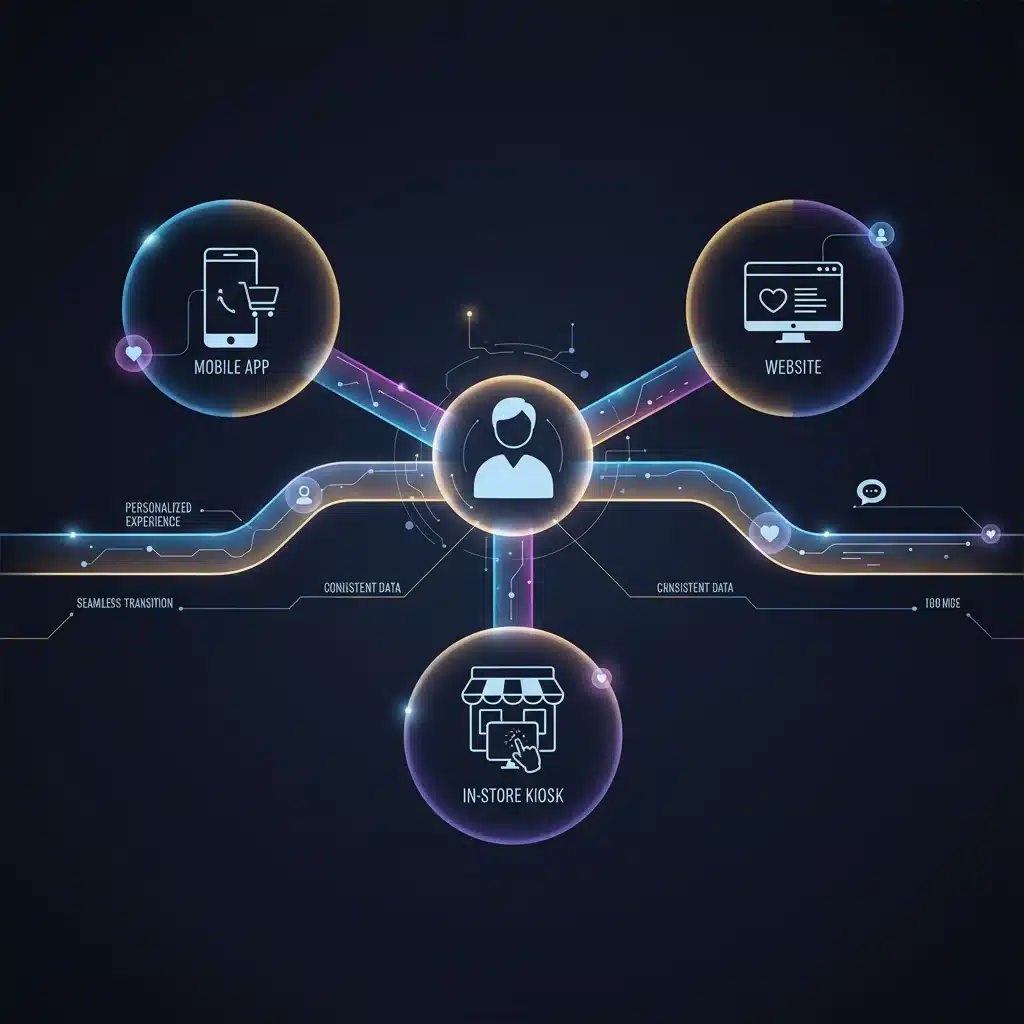
Thirdly, retailers must embrace an omnichannel personalization strategy. Consumers do not differentiate between online and offline channels; they expect a consistent and personalized experience regardless of where or how they interact with a brand. This means that a customer’s online browsing history should inform their in-store recommendations, and vice-versa. Seamless integration across all channels – website, mobile app, physical store, social media, email – is crucial for delivering a truly cohesive and personalized customer journey. This holistic approach to US Retail Personalization is what will distinguish market leaders.
Leveraging Data for Hyper-Personalization
In the realm of US Retail Personalization, data is the new currency. The ability to collect, analyze, and act upon customer data with precision will differentiate successful retailers from their struggling counterparts. Hyper-personalization goes beyond basic recommendations; it involves creating an experience so tailored that it feels as if the brand anticipates the customer’s every need. This level of personalization is only achievable through sophisticated data practices.
Retailers should focus on collecting both explicit and implicit data. Explicit data includes information voluntarily provided by the customer, such as preferences indicated in surveys, wish lists, or profile settings. Implicit data, on the other hand, is gathered through observation of behavior: pages viewed, products clicked, time spent on site, items added to cart (and abandoned), search queries, and even mouse movements. Combining these data types provides a richer, more nuanced understanding of each individual customer. Furthermore, contextual data, such as time of day, location, device used, and even local weather, can add another layer of relevance to personalized offers.
The challenge, however, lies not just in collecting data but in interpreting it effectively. This is where advanced analytics and AI come into play. Predictive analytics can forecast future purchasing behavior, allowing retailers to proactively offer relevant products or promotions before the customer even searches for them. Sentiment analysis can gauge customer mood and satisfaction from their interactions, enabling personalized customer service responses. The ethical considerations of data collection and usage must also be front and center. Transparency with customers about how their data is used, and ensuring robust data security, are critical for building trust, which is foundational to any successful personalization strategy. Without trust, even the most sophisticated personalization efforts will fall flat. This emphasis on ethical data usage is a cornerstone of effective US Retail Personalization.
The Role of AI and Machine Learning in Tailored Experiences
Artificial Intelligence (AI) and Machine Learning (ML) are the engines driving the next wave of US Retail Personalization. These technologies enable retailers to move beyond rule-based personalization to dynamic, adaptive, and predictive experiences that truly resonate with individual customers. The 7% increase in e-commerce personalization demands directly correlates with the increasing sophistication and accessibility of AI/ML tools.
Recommendation engines are perhaps the most visible application of AI in personalization. These systems analyze vast amounts of data to suggest products that a customer is likely to purchase, based on their past behavior, the behavior of similar customers, and real-time interactions. Beyond simple ‘customers who bought this also bought…’, modern AI can recommend complementary products, suggest items based on style preferences derived from visual analysis, or even curate entire outfits. This significantly enhances the shopping experience and boosts conversion rates.
AI also powers personalized marketing communications. Instead of generic newsletters, customers can receive emails tailored to their specific interests, browsing history, and purchase stage. AI can determine the optimal time to send an email, the most effective subject line, and the most relevant product offers, maximizing engagement. Chatbots and virtual assistants, increasingly powered by AI, offer personalized customer service, answering queries, guiding shoppers, and even resolving issues, all while maintaining a consistent brand voice and understanding individual customer context.
Furthermore, AI can personalize pricing and promotions in real-time, offering dynamic discounts or bundles based on individual customer value, loyalty, and propensity to purchase. This level of granular personalization was once unimaginable but is now becoming a standard expectation. The ability of AI to learn and adapt from every interaction means that personalization strategies become more effective over time, constantly refining the customer experience. Embracing AI/ML is not just about technology; it’s about fundamentally transforming how retailers understand and serve their customers, making it a cornerstone of future US Retail Personalization.
Omnichannel Personalization: Bridging the Digital and Physical Divide
The modern consumer journey is rarely linear. It often involves jumping between various touchpoints – from browsing on a mobile app during a commute, to visiting a physical store, then completing a purchase on a desktop computer. This reality necessitates an omnichannel approach to personalization, where the customer’s experience is seamless and consistent across all channels. The 7% increase in e-commerce personalization demands highlights that even when shopping in brick-and-mortar stores, customers expect the same level of tailored attention they receive online.
True omnichannel personalization means that data collected from one channel informs interactions in another. For example, if a customer browses a specific product on a retailer’s website, a sales associate in the physical store should ideally have access to that information to offer relevant assistance. Similarly, in-store purchases should update a customer’s online profile, influencing future e-commerce recommendations and marketing communications. This creates a unified and intelligent customer journey, eliminating the frustration of having to repeat information or receive irrelevant offers. US E-commerce Growth is projected to continue its upward trajectory, making omnichannel strategies even more critical.
Technologies facilitating omnichannel personalization include clienteling apps for sales associates, enabling them to access customer profiles and purchase history in real-time; in-store beacons that can send personalized offers to customers’ phones as they browse specific departments; and ‘buy online, pick up in-store’ (BOPIS) services that integrate online and offline inventory. The goal is to make every interaction feel personal and connected, regardless of the channel. This not only enhances customer satisfaction but also drives loyalty and increases sales. Retailers who master omnichannel US Retail Personalization will gain a significant competitive advantage in 2026, creating cohesive and compelling experiences that truly resonate with their customer base.
Measuring Success: KPIs for Personalization Initiatives
Implementing a robust US Retail Personalization strategy is only half the battle; the other half is effectively measuring its impact. To justify investments and continuously refine efforts, retailers must establish clear Key Performance Indicators (KPIs) that directly reflect the effectiveness of their personalization initiatives. Without proper measurement, it’s impossible to understand whether the significant effort to meet the 7% increase in personalization demands is yielding the desired results.
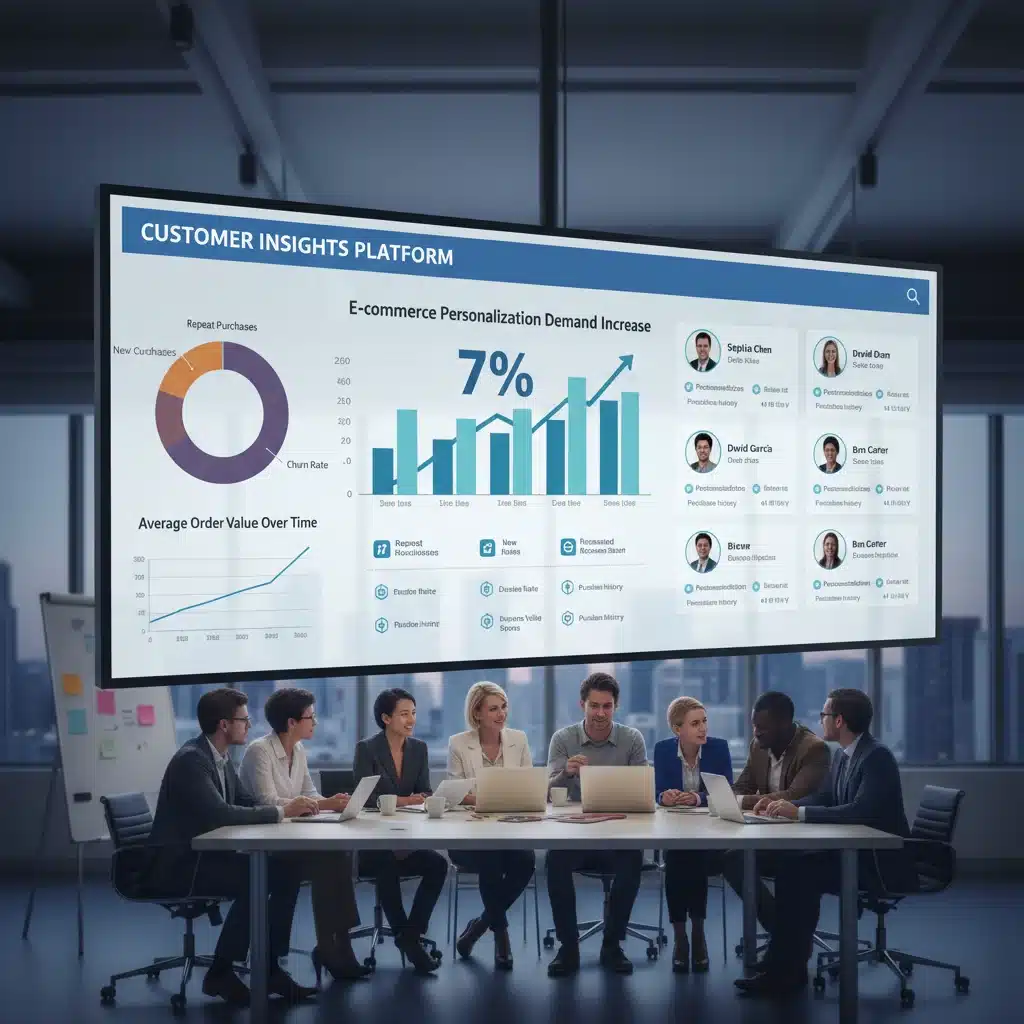
One primary KPI is the increase in conversion rates. Personalized product recommendations, targeted promotions, and tailored content should lead to a higher percentage of website visitors making a purchase. Similarly, average order value (AOV) is a crucial metric; effective personalization can encourage customers to buy more items or higher-priced products. Customer lifetime value (CLTV) is another long-term indicator of success. By fostering deeper relationships and increasing loyalty through personalization, retailers can significantly boost the total revenue generated from each customer over their entire relationship with the brand.
Engagement metrics also play a vital role. These include click-through rates (CTR) on personalized emails and recommendations, time spent on site, pages viewed per session, and repeat visits. Higher engagement indicates that the personalized content is resonating with customers. Reduced bounce rates on landing pages and improved customer satisfaction scores (CSAT) or Net Promoter Scores (NPS) can also signal successful personalization. Finally, for omnichannel strategies, tracking cross-channel conversion rates – for instance, customers who browse online and then purchase in-store – provides valuable insights into the effectiveness of integrated experiences. By meticulously tracking these KPIs, retailers can quantify the ROI of their personalization efforts and make data-driven decisions to optimize their strategies for 2026 and beyond.
Challenges and Ethical Considerations in Personalization
While the benefits of US Retail Personalization are undeniable, particularly with the projected 7% increase in demand, retailers must also navigate significant challenges and ethical considerations. Overcoming these hurdles is crucial for building sustainable and trustworthy customer relationships. One major challenge is data privacy and security. As retailers collect more personal data, they assume a greater responsibility to protect it. Data breaches can severely damage a brand’s reputation and lead to significant financial penalties. Compliance with evolving regulations like GDPR and CCPA (and potential new US federal privacy laws) is not just a legal requirement but a fundamental aspect of building customer trust. Transparency about data collection and usage, along with clear opt-out options, is essential.
Another challenge is avoiding the ‘creepiness factor’. There’s a fine line between helpful personalization and intrusive surveillance. Consumers appreciate relevant suggestions but can be alienated by recommendations that feel too personal or suggest that their privacy has been violated. Retailers must carefully balance the desire for deep personalization with respect for customer boundaries. This often requires subtle approaches and empowering customers with control over their data preferences.
Technological complexity is also a significant hurdle. Integrating disparate data sources, implementing advanced AI/ML algorithms, and ensuring seamless omnichannel functionality requires substantial investment in technology and skilled personnel. Many retailers, especially smaller ones, may struggle with the resources and expertise needed to implement truly sophisticated personalization strategies. Furthermore, the risk of algorithmic bias exists, where AI systems might inadvertently perpetuate or amplify existing societal biases if not carefully monitored and trained with diverse datasets. Addressing these challenges proactively, with a strong emphasis on ethical practices and customer-centric design, will be vital for long-term success in US Retail Personalization.
The Future of US Retail Personalization Beyond 2026
The 7% increase in e-commerce personalization demands by 2026 is just the beginning. The trajectory for US Retail Personalization points towards even more immersive, predictive, and integrated experiences in the years to follow. Beyond 2026, we can anticipate several key trends that will further redefine how consumers interact with brands.
One significant development will be the widespread adoption of augmented reality (AR) and virtual reality (VR) in personalized shopping. Imagine trying on clothes virtually with AR, seeing how furniture looks in your home before buying, or exploring virtual showrooms tailored to your exact preferences in VR. These technologies will offer highly immersive and personalized shopping experiences that blur the lines between the digital and physical worlds. The personalization will extend to the virtual environment itself, curating products and aesthetics based on individual tastes.
Another area of growth will be proactive and predictive personalization. Instead of reacting to customer behavior, AI systems will become even more adept at anticipating needs before they arise. This could involve subscription services that automatically replenish essential items based on usage patterns, or personalized alerts for products that are about to run out or go on sale based on individual purchasing cycles. The goal will be to make shopping so effortless and intuitive that customers rarely have to actively search for what they need.
Finally, personalization will increasingly extend to product co-creation and customization. Consumers will have more opportunities to design or customize products to their exact specifications, with AI-powered tools guiding them through the process and suggesting optimal choices. This ultimate form of personalization allows customers to become active participants in the product development process, fostering an even deeper sense of ownership and brand loyalty. The future of US Retail Personalization is one where every aspect of the retail journey is uniquely crafted for the individual, making shopping a truly bespoke and delightful experience.
Conclusion: Embracing Personalization for Future Growth
The landscape of US retail is undergoing a profound transformation, driven by an escalating demand for personalization. The projected 7% increase in e-commerce personalization demands by 2026 is a clear indicator that generic, one-size-fits-all approaches are rapidly becoming obsolete. Consumers today expect brands to understand their individual preferences, anticipate their needs, and deliver tailored experiences across every touchpoint, from the initial online browse to the final purchase and beyond. This isn’t merely a preference; it’s a fundamental expectation that will dictate market share and customer loyalty in the coming years.
To thrive in this evolving environment, retailers must embark on a strategic journey that prioritizes data, technology, and customer-centricity. This involves building robust data infrastructures to create a single, unified view of the customer, investing in advanced AI and Machine Learning capabilities to power hyper-personalization, and meticulously crafting seamless omnichannel experiences that bridge the digital and physical divide. Furthermore, success hinges on the ability to ethically collect and utilize data, ensuring transparency and respecting customer privacy, thereby fostering trust – the bedrock of any lasting customer relationship.
The benefits of embracing this shift are substantial: increased conversion rates, higher average order values, enhanced customer lifetime value, and stronger brand loyalty. Retailers who proactively adapt to these trends will not only meet the immediate demands of 2026 but will also position themselves for sustained growth and innovation in the long term. The future of US Retail Personalization is dynamic, exciting, and full of potential for those willing to invest in understanding and serving the individual customer. The time to act is now, transforming challenges into unparalleled opportunities for market leadership and enduring success.