
Navigating the Q2 2026 Labor Market: Key Trends for US Businesses to Watch
The economic landscape is perpetually shifting, and for US businesses, understanding the nuances of the Q2 2026 Labor Market is paramount to sustained success and competitive advantage. As we move further into the decade, the forces shaping the world of work are becoming increasingly complex, influenced by technological advancements, evolving worker expectations, demographic shifts, and geopolitical factors. This comprehensive guide will delve into the critical trends defining the Q2 2026 labor market, offering insights and actionable strategies for businesses to thrive.
The second quarter of 2026 is poised to be a period of significant recalibration and strategic adjustment for employers across various sectors. The post-pandemic era has solidified certain trends, while new challenges and opportunities continue to emerge. From the persistent demand for specialized skills to the ongoing debate surrounding remote work, and from the imperative of diversity and inclusion to the ethical integration of AI, the decisions made by businesses in this quarter will have long-lasting implications. Our aim is to provide a clear, forward-looking perspective on these dynamics, enabling businesses to anticipate, adapt, and lead.
The Economic Backdrop: What’s Influencing the Q2 2026 Labor Market?
Before diving into specific labor market trends, it’s essential to contextualize them within the broader economic environment. By Q2 2026, the US economy is expected to have stabilized further following previous global uncertainties, but with lingering inflationary pressures and interest rate adjustments continuing to influence business investment and consumer spending. This creates a delicate balance for employers, who must manage costs while simultaneously investing in talent to drive innovation and growth. Geopolitical stability, or the lack thereof, will also play a role, potentially impacting supply chains and, consequently, labor demand in certain industries.
Furthermore, government policies related to immigration, trade, and workforce development will exert a significant influence. Businesses need to stay abreast of legislative changes that could affect talent pools, visa programs, and training initiatives. Understanding these macro-economic forces is the first step in formulating effective labor strategies for the Q2 2026 Labor Market.
Inflation and Wage Growth: A Persistent Challenge
One of the most enduring challenges for businesses in the Q2 2026 Labor Market will be balancing wage growth with inflationary pressures. While inflation may have moderated compared to peak levels, it is unlikely to return to pre-pandemic lows, meaning employees will continue to seek higher wages to maintain their purchasing power. This puts pressure on businesses to find efficiencies elsewhere or risk eroding profit margins. Strategies for managing wage expectations will include:
- Competitive Compensation Analysis: Regularly benchmarking salaries against competitors and industry standards.
- Performance-Based Incentives: Shifting towards variable pay structures that reward productivity and contribution.
- Total Rewards Approach: Emphasizing benefits, professional development, and work-life balance as part of the overall compensation package.
Trend 1: The Evolving Landscape of Work Models (Remote, Hybrid, In-Office)
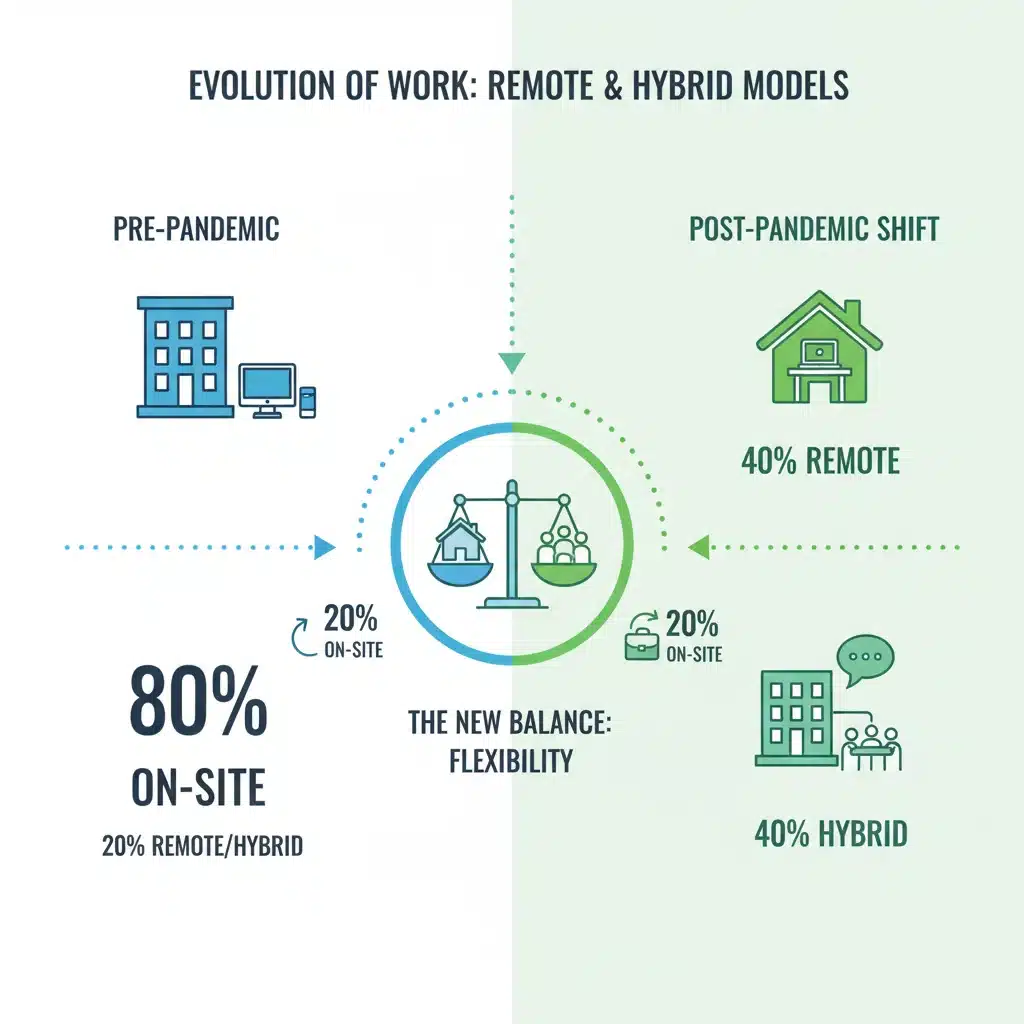
The debate over where and how work gets done continues to be a defining feature of the labor market. By Q2 2026 Labor Market, a more mature understanding of remote and hybrid work models will have emerged, with companies having largely settled on their preferred approaches. However, flexibility will remain a critical differentiator for attracting and retaining talent.
Many organizations will have adopted a ‘hybrid-first’ approach, requiring employees to be in the office for a certain number of days per week, often focused on collaborative tasks, team building, and mentorship. Fully remote roles will likely be reserved for specific functions or highly specialized talent pools where geographical constraints are irrelevant. Conversely, some industries, particularly those requiring physical presence, will have fully returned to in-office work, albeit with potentially more flexible hours or enhanced office amenities.
Businesses must continuously evaluate their work models, not just in terms of productivity, but also employee satisfaction, company culture, and talent acquisition. A rigid stance without considering employee preferences could lead to higher attrition rates. The key will be to find a balance that supports both organizational goals and employee well-being.
Optimizing Hybrid Work for Productivity and Culture
For companies embracing hybrid models in the Q2 2026 Labor Market, the focus will be on optimizing the experience. This includes:
- Technology Infrastructure: Investing in seamless collaboration tools, video conferencing solutions, and secure remote access.
- Leadership Training: Equipping managers with the skills to effectively lead distributed teams, foster inclusion, and manage performance across different work settings.
- Intentional Office Design: Redesigning office spaces to be hubs for collaboration, innovation, and social connection, rather than just rows of desks.
- Clear Communication: Establishing clear expectations around in-office days, meeting protocols, and communication channels.
Trend 2: The Acceleration of AI and Automation Integration
Artificial Intelligence (AI) and automation are no longer futuristic concepts; they are integral components of the modern workplace. By Q2 2026 Labor Market, the integration of AI will have accelerated across nearly all sectors, fundamentally altering job roles, skill requirements, and operational efficiencies. Businesses that fail to embrace this trend risk being left behind.
AI will increasingly handle repetitive, data-intensive, and administrative tasks, freeing up human employees to focus on higher-value activities requiring critical thinking, creativity, emotional intelligence, and complex problem-solving. This shift necessitates a proactive approach to workforce planning and skill development.
The ethical implications of AI, including bias in algorithms and data privacy, will also be a significant consideration. Companies will need to develop robust AI governance frameworks to ensure responsible and equitable deployment of these technologies. Furthermore, the human-AI collaboration will become a standard operating model, requiring employees to understand how to effectively work alongside AI tools.
Reskilling and Upskilling for the AI Era
The impact of AI on the Q2 2026 Labor Market means that continuous learning will not just be an advantage but a necessity. Businesses must invest heavily in:
- Internal Training Programs: Developing bespoke courses to upskill existing employees in AI literacy, data analytics, and new software applications.
- Partnerships with Educational Institutions: Collaborating with universities and vocational schools to create talent pipelines equipped with future-ready skills.
- Learning & Development Platforms: Providing access to online learning platforms that offer certifications in emerging technologies.
- Soft Skills Development: Emphasizing skills like adaptability, critical thinking, creativity, and emotional intelligence, which are uniquely human and highly valued in an AI-augmented workplace.
Trend 3: Persistent Skills Gaps and the Demand for Specialized Talent
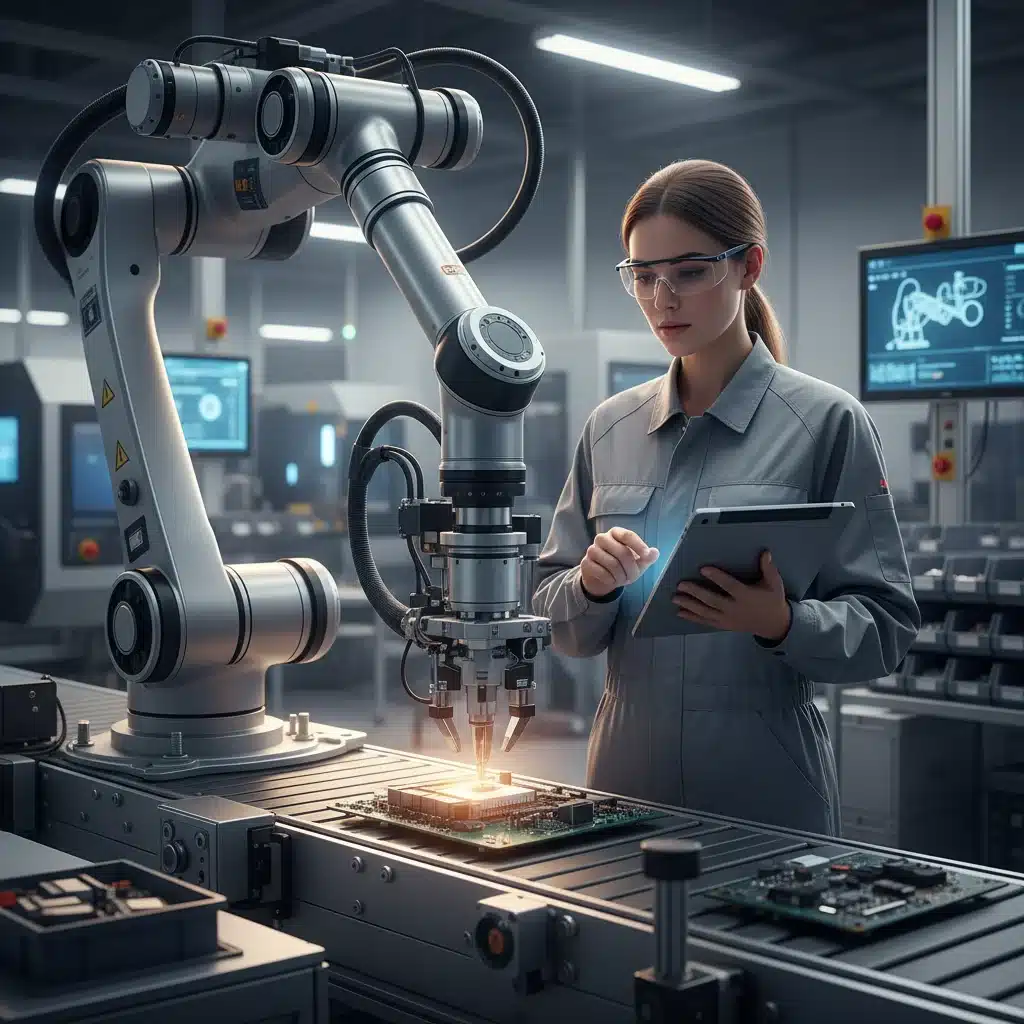
Despite advancements in technology, or perhaps because of them, skills gaps will remain a significant challenge in the Q2 2026 Labor Market. The rapid pace of technological change means that the skills required for many jobs are evolving faster than educational institutions or traditional training methods can keep up. This will lead to a continued high demand for specialized talent in areas such as:
- Cybersecurity: With increasing digital threats, experts in data protection, network security, and incident response will be crucial.
- Data Science & Analytics: The ability to extract insights from vast datasets will drive business strategy and innovation.
- AI & Machine Learning Engineering: Professionals who can develop, implement, and maintain AI systems will be highly sought after.
- Cloud Computing: Expertise in cloud architecture, migration, and management will be essential as more businesses move to the cloud.
- Green Skills: As sustainability becomes a core business imperative, roles related to renewable energy, environmental engineering, and sustainable practices will grow.
Businesses need to develop multifaceted strategies to address these gaps, including internal development, strategic external hiring, and potentially innovative partnerships.
Strategies for Bridging Skills Gaps
To effectively navigate the skills landscape in the Q2 2026 Labor Market, businesses should consider:
- Build vs. Buy: A balanced approach of developing existing employees (build) and recruiting external talent (buy).
- Apprenticeships and Internships: Creating structured programs to cultivate new talent and provide hands-on experience.
- Gig Economy & Freelancers: Leveraging specialized contractors and freelancers to fill short-term or project-specific skill needs without committing to full-time hires.
- Cross-Functional Training: Encouraging employees to develop skills in adjacent areas, fostering a more versatile workforce.
Trend 4: The Growing Importance of Employee Well-being and Mental Health
The emphasis on employee well-being and mental health, which gained significant traction in recent years, will solidify as a core component of employer value propositions in the Q2 2026 Labor Market. Employees increasingly expect their employers to support their holistic well-being, not just their professional output. Companies that prioritize this will see benefits in terms of retention, productivity, and overall employee engagement.
Burnout remains a significant concern, especially in high-pressure industries or for employees navigating complex hybrid work schedules. Employers will need to implement proactive measures to prevent burnout, promote work-life balance, and provide accessible mental health resources.
Creating a Supportive Workplace Culture
Key initiatives for businesses in the Q2 2026 Labor Market to support employee well-being include:
- Comprehensive Benefits Packages: Offering robust health insurance that includes mental health services, telemedicine, and employee assistance programs (EAPs).
- Flexible Work Arrangements: Beyond just location, offering flexibility in hours, compressed workweeks, or unlimited PTO (when managed effectively).
- Manager Training: Equipping leaders to recognize signs of stress and burnout, and to foster psychologically safe environments.
- Workload Management: Implementing tools and processes to ensure equitable distribution of work and prevent overload.
- Promoting Digital Detox: Encouraging employees to disconnect outside of work hours and promoting healthy boundaries.
Trend 5: Diversity, Equity, and Inclusion (DEI) as a Business Imperative
By Q2 2026 Labor Market, Diversity, Equity, and Inclusion (DEI) will have moved beyond a mere buzzword to become a fundamental business imperative. Companies that authentically embed DEI into their organizational DNA will not only attract a broader range of talent but also foster innovation, improve decision-making, and enhance financial performance. Employees, particularly younger generations, are increasingly prioritizing employers with strong DEI commitments.
This includes not just diversity in terms of race, gender, and ethnicity, but also cognitive diversity, socioeconomic background, age, and ability. Equity focuses on fair treatment and access to opportunities, while inclusion ensures that all employees feel valued, respected, and have a sense of belonging.
Implementing Effective DEI Strategies
Businesses looking to excel in DEI within the Q2 2026 Labor Market should focus on:
- Inclusive Hiring Practices: Removing bias from job descriptions, anonymizing applications, and diversifying interview panels.
- Equitable Advancement Opportunities: Ensuring fair access to promotions, leadership roles, and professional development.
- Inclusive Culture Building: Fostering an environment where all voices are heard, respected, and celebrated through employee resource groups, mentorship programs, and cultural awareness training.
- Data-Driven Approach: Tracking DEI metrics to identify areas for improvement and measure progress.
- Leadership Accountability: Holding leaders responsible for advancing DEI goals within their teams and departments.
Trend 6: The Rise of the Internal Talent Marketplace
In response to skills gaps and the need for greater workforce agility, the concept of an internal talent marketplace will gain significant traction in the Q2 2026 Labor Market. This involves creating platforms or systems that allow employees to discover and apply for internal projects, stretch assignments, mentorship opportunities, and even full-time roles across different departments.
An internal talent marketplace helps businesses to:
- Improve Retention: By offering employees new challenges and growth opportunities within the company, reducing the need to look externally.
- Optimize Resource Allocation: Ensuring that the right talent is deployed to the most critical projects.
- Enhance Employee Engagement: Empowering employees to take ownership of their career development.
- Accelerate Skill Development: Providing opportunities for employees to gain new experiences and apply existing skills in new contexts.
Building an Effective Internal Talent Marketplace
Key considerations for implementing an internal talent marketplace in the Q2 2026 Labor Market include:
- Technology Platform: Investing in a robust HR technology solution that can facilitate internal mobility and skill matching.
- Manager Buy-in: Ensuring that managers are supportive of their team members exploring internal opportunities, rather than hoarding talent.
- Clear Processes: Establishing transparent guidelines for applying to internal roles and projects.
- Skill Mapping: Accurately identifying and cataloging employee skills to facilitate effective matching with opportunities.
Trend 7: Data-Driven HR and Predictive Analytics
The role of data in HR decision-making will become even more sophisticated by Q2 2026 Labor Market. Businesses will increasingly leverage HR analytics and predictive modeling to gain deeper insights into their workforce, anticipate future needs, and make more informed talent strategies. This goes beyond basic reporting to using data to predict attrition, identify high-potential employees, optimize recruitment channels, and understand the impact of various HR initiatives.
For example, predictive analytics can help identify which employees are at risk of leaving, allowing HR to intervene with retention strategies. It can also pinpoint the most effective sources for hiring certain types of talent or predict the success rate of different training programs. This data-driven approach transforms HR from a purely administrative function into a strategic business partner.
Leveraging Data for Strategic Workforce Planning
To effectively utilize data in the Q2 2026 Labor Market, businesses should focus on:
- Investing in HR Tech: Implementing HRIS (Human Resources Information Systems) and analytics platforms that can collect, analyze, and visualize workforce data.
- Data Literacy: Training HR professionals and business leaders in data interpretation and analytical skills.
- Ethical Data Use: Establishing clear guidelines and policies for data privacy, security, and ethical use to build trust with employees.
- Integrated Data Sources: Connecting HR data with other business data (e.g., sales, customer satisfaction) to understand the broader impact of workforce decisions.
Conclusion: Preparing for the Future of Work in Q2 2026
The Q2 2026 Labor Market presents both significant challenges and unparalleled opportunities for US businesses. The converging forces of technological advancement, evolving work models, persistent skills gaps, and heightened employee expectations demand a proactive, agile, and human-centric approach to workforce management. Success in this dynamic environment will hinge on a business’s ability to adapt, innovate, and strategically invest in its people and processes.
By embracing hybrid work flexibility, strategically integrating AI and automation, proactively addressing skills gaps through continuous learning, prioritizing employee well-being and mental health, embedding DEI as a core value, fostering internal talent mobility, and leveraging data-driven insights, businesses can not only navigate the complexities of the Q2 2026 Labor Market but also emerge stronger, more resilient, and better positioned for long-term growth. The future of work is not a distant concept; it is here, and the time to prepare is now.