SEC Rulings & US Stablecoin Investments: 3-Month Impact Analysis

In the dynamic and often unpredictable world of digital assets, few sectors have garnered as much regulatory scrutiny and investor attention as stablecoins. These cryptocurrencies, designed to maintain a stable value relative to a fiat currency like the US dollar, have emerged as a critical bridge between traditional finance and the burgeoning decentralized economy. However, their very nature – aiming for stability while operating within a nascent and largely unregulated digital landscape – has made them a focal point for regulatory bodies, most notably the U.S. Securities and Exchange Commission (SEC).
The last three months have been particularly eventful, marking a period of significant shifts in the SEC’s approach to stablecoins. These recent SEC rulings are not just procedural adjustments; they represent a fundamental re-evaluation of how stablecoins are classified, traded, and integrated into the broader financial system. For US stablecoin investments, this means navigating a new terrain fraught with both challenges and opportunities. Understanding these changes is paramount for investors, issuers, and anyone involved in the digital asset space.
This comprehensive analysis will delve deep into the impact of recent SEC rulings on US stablecoin investments over the past three months. We will dissect the specifics of these rulings, explore their immediate and long-term implications for market participants, and provide insights into how the stablecoin ecosystem is adapting. From regulatory classifications to operational compliance and market sentiment, we aim to shed light on what has changed and what lies ahead for US stablecoin investments.
The Evolving Regulatory Landscape: A Brief Overview
Before diving into the specifics of the last three months, it’s crucial to understand the historical context of stablecoin regulation in the US. For years, stablecoins operated in a gray area, with various government agencies offering differing opinions on their classification. The Commodity Futures Trading Commission (CFTC) sometimes viewed them as commodities, while the Office of the Comptroller of the Currency (OCC) provided clarity on stablecoin activities for banks. However, it is the SEC, with its mandate to protect investors and maintain fair and orderly markets, that has increasingly asserted its jurisdiction, particularly when stablecoins exhibit characteristics of securities.
The SEC’s primary tool for determining whether an asset is a security is the Howey Test, derived from a 1946 Supreme Court case. If an investment involves money, a common enterprise, and an expectation of profit derived from the efforts of others, it is likely considered a security. While many stablecoins aim to maintain a fixed value, certain structures, particularly those involving yield-generating mechanisms or complex reserve management, have drawn the SEC’s attention. The lack of a clear, comprehensive regulatory framework specifically for stablecoins has led to a piecemeal approach, often resulting in enforcement actions that send ripple effects across the industry.
The pressure for clearer regulation has been mounting from various fronts. Lawmakers have introduced bills, and the President’s Working Group on Financial Markets has issued reports emphasizing the need for comprehensive stablecoin legislation. This backdrop of increasing governmental focus set the stage for the significant developments witnessed over the last quarter.
Key SEC Rulings and Actions in the Last 3 Months
The period spanning the last three months has been marked by several pivotal SEC actions that have reshaped the landscape for US stablecoin investments. These actions have not only clarified the SEC’s stance on certain stablecoin operations but have also sent a strong message about the commission’s intent to apply existing securities laws to digital assets.
Increased Scrutiny on Unregistered Securities Offerings
One of the most significant trends has been the SEC’s intensified focus on stablecoin issuers and platforms offering yield-generating products. The SEC has consistently argued that if a stablecoin offering or an associated lending program promises investors a return based on the efforts of the issuer or a third party, it likely constitutes an unregistered securities offering. This has led to enforcement actions against several prominent crypto firms that offered stablecoin-related interest-bearing accounts, characterizing them as unregistered securities. The message is clear: simply pegging a token to a fiat currency does not automatically exempt it from securities laws, especially if it’s marketed as an investment opportunity with an expectation of profit.
Clarification on Reserve Attestation and Transparency
Another critical area of SEC focus has been the transparency and composition of stablecoin reserves. While not direct rulings, the SEC has used public statements, speeches, and enforcement actions to emphasize the importance of robust attestations and clear disclosures regarding the assets backing stablecoins. The stability of a stablecoin is directly tied to the quality and liquidity of its reserves. Concerns about opaque reserve management, particularly after high-profile de-pegging events in the broader crypto market, have spurred the SEC to demand greater accountability. This has pushed stablecoin issuers towards more frequent, independent audits and more detailed public reporting of their reserve holdings, impacting the operational costs and transparency requirements for US stablecoin investments.
Heightened Enforcement Against Decentralized Finance (DeFi) Protocols
The SEC has also extended its regulatory reach into the decentralized finance (DeFi) space, particularly concerning protocols that interact with stablecoins. Some DeFi platforms, by offering lending, borrowing, and yield farming opportunities involving stablecoins, have drawn the SEC’s attention regarding potential unregistered securities offerings or operating as unregistered exchanges. These actions have created a chilling effect in some segments of DeFi, prompting platforms to re-evaluate their offerings, restrict access to US users, or explore more compliant structures. For US stablecoin investments within DeFi, this means increased risk due to regulatory uncertainty and potential platform disruptions.
Implications for Stablecoin Issuers
For stablecoin issuers, these recent SEC rulings translate into a heightened need for legal counsel and compliance infrastructure. Issuers must meticulously review their stablecoin’s structure, marketing, and associated services to ensure they do not inadvertently fall under the SEC’s definition of a security. This often involves restructuring product offerings, enhancing disclosure practices, and potentially seeking registration or exemptions if their stablecoin is deemed a security. The cost of compliance and legal overhead has undoubtedly increased, impacting profitability and operational strategies for businesses involved in US stablecoin investments.
Market Reaction and Investor Sentiment
The immediate aftermath of these SEC rulings has been a mixture of caution, consolidation, and strategic pivoting within the stablecoin market. Investors, already wary of volatility in the broader crypto market, are now approaching US stablecoin investments with a more discerning eye, prioritizing regulatory clarity and issuer compliance.
Flight to Quality and Centralized Stablecoins
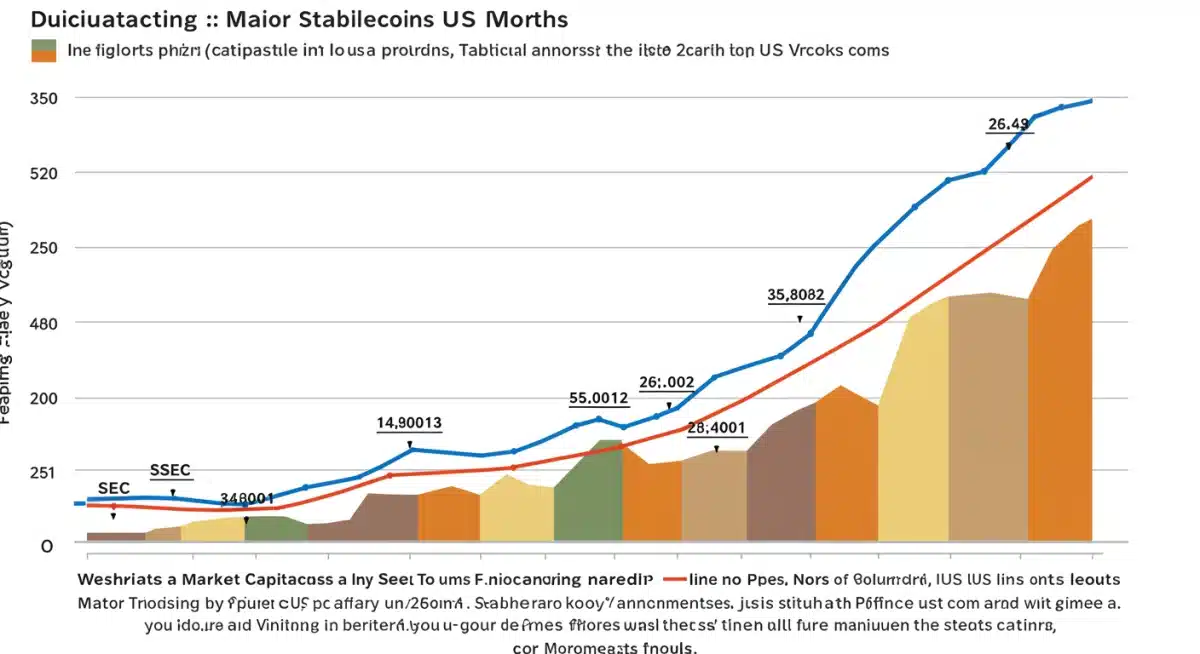
One observable trend is a ‘flight to quality,’ where investors are increasingly favoring stablecoins issued by well-established entities with robust compliance frameworks and transparent reserve attestations. Centralized stablecoins, particularly those with strong banking relationships and a clear regulatory roadmap, have seen increased demand. This preference stems from a perception of lower regulatory risk and greater stability, even if it means sacrificing some of the decentralization ethos.
Impact on Decentralized Stablecoins
Decentralized stablecoins, which often rely on algorithmic mechanisms or over-collateralization with other cryptocurrencies, have faced a more complex challenge. While some argue their decentralized nature insulates them from traditional securities laws, the SEC’s broad interpretation of ‘investment contract’ means even these projects are not entirely immune. Many decentralized stablecoin projects are now re-evaluating their governance, collateral mechanisms, and marketing to mitigate regulatory risks, especially concerning US stablecoin investments by American citizens.
Reduced Enthusiasm for Yield-Generating Stablecoin Products
The SEC’s enforcement actions against platforms offering high-yield stablecoin products have significantly dampened investor enthusiasm for these offerings. Many platforms have either ceased these services for US customers or drastically restructured them. Investors are now more cautious about promises of high yields on stablecoins, understanding the inherent regulatory risks associated with such products. This shift impacts the overall attractiveness of certain types of US stablecoin investments.
Increased Demand for Regulatory Clarity
Perhaps the most significant market reaction has been the intensified call for comprehensive and clear stablecoin regulation from both within the crypto industry and traditional finance. The current piecemeal approach creates uncertainty, stifles innovation, and potentially pushes legitimate businesses offshore. A clear regulatory framework, similar to those proposed in various legislative efforts, would provide much-needed guidance, foster investor confidence, and enable the stablecoin market to mature responsibly.
Navigating the New Regulatory Environment for US Stablecoin Investments
For investors and businesses engaged in US stablecoin investments, adapting to this evolving regulatory environment is not just advisable; it’s essential for long-term viability and success. Several strategies can help navigate these turbulent waters.
Due Diligence is Paramount
Investors must conduct thorough due diligence on any stablecoin or platform they consider. This includes scrutinizing the issuer’s regulatory compliance, transparency of reserves, audit reports, and legal structure. Understanding the underlying mechanisms of the stablecoin and the jurisdiction of its issuer is crucial. Prioritizing stablecoins with clear regulatory standing and robust operational integrity is a wise approach for US stablecoin investments.
Stay Informed on Regulatory Developments
The regulatory landscape for digital assets is constantly shifting. Staying abreast of new SEC rulings, legislative proposals, and enforcement actions is critical. Subscribing to reputable crypto news sources, engaging with industry associations, and consulting with legal experts specializing in digital assets can help investors and businesses remain informed and proactive.
Understand the Risks of DeFi and Unregulated Platforms
While DeFi offers innovative opportunities, its largely unregulated nature, especially concerning US stablecoin investments, poses significant risks. Users should exercise extreme caution when interacting with DeFi protocols, understanding that regulatory uncertainty can lead to platform shutdowns, asset freezes, or legal repercussions. Diversifying investments and allocating only risk capital to such platforms is a prudent strategy.
Advocate for Clear Regulation
Both investors and industry participants have a role to play in advocating for clear, balanced, and forward-thinking regulation. Engaging with policymakers, supporting industry groups that lobby for sensible crypto legislation, and participating in public discourse can contribute to shaping a more predictable and favorable regulatory environment for US stablecoin investments.
The Future of US Stablecoin Investments: What’s Next?
The recent SEC rulings are not an endpoint but rather a significant chapter in the ongoing narrative of stablecoin regulation. The next few months and years will likely bring further developments, shaping the trajectory of US stablecoin investments in profound ways.
Potential for Comprehensive Legislation
The increased regulatory pressure from the SEC could serve as a catalyst for Congress to pass comprehensive stablecoin legislation. Several bills are currently under consideration, aiming to establish clear guidelines for stablecoin issuance, reserve requirements, and oversight. Such legislation could provide the much-needed certainty that the industry craves, differentiating between payment stablecoins and those that might fall under securities laws. This would significantly de-risk US stablecoin investments.
Continued SEC Enforcement
Regardless of legislative progress, it is highly probable that the SEC will continue its enforcement actions against entities it deems to be operating outside existing securities laws. This means stablecoin issuers and platforms must remain vigilant and proactive in their compliance efforts. The SEC’s ‘regulation by enforcement’ approach is likely to persist until a comprehensive framework is in place.

Innovation in Compliant Stablecoin Structures
The regulatory challenges will also spur innovation. We may see the emergence of new stablecoin structures designed explicitly to comply with US securities laws or to operate strictly as payment instruments. This could involve novel reserve management techniques, enhanced transparency features, or partnerships with regulated financial institutions. The focus will shift towards ‘regulatory-native’ stablecoins that are built with compliance as a core design principle, enhancing the safety and legitimacy of US stablecoin investments.
Global Regulatory Harmonization Efforts
As the US grapples with stablecoin regulation, other major jurisdictions are also developing their frameworks. The European Union’s MiCA (Markets in Crypto-Assets) regulation, for instance, provides a comprehensive approach to stablecoins. There will likely be increasing efforts towards international regulatory harmonization, as stablecoins are inherently global. This could influence future US policy and provide templates for cross-border cooperation in regulating US stablecoin investments.
Conclusion
The recent SEC rulings over the last three months have undeniably left an indelible mark on US stablecoin investments. They have ushered in an era of heightened scrutiny, demanding greater transparency, robust compliance, and a clear understanding of securities laws from all participants. While these changes present challenges, they also lay the groundwork for a more mature, regulated, and potentially more stable stablecoin ecosystem.
For investors, the key takeaways are clear: prioritize due diligence, stay informed, and be cautious about unregulated offerings. For issuers and platforms, the imperative is to adapt, innovate, and build with compliance at the forefront. The journey of stablecoins from niche crypto assets to vital components of the global financial infrastructure is far from over. The SEC’s recent actions are a powerful reminder that as this industry grows, so too will the demand for accountability and investor protection. Navigating this evolving landscape successfully will require foresight, adaptability, and a commitment to regulatory excellence in all aspects of US stablecoin investments.
The future of stablecoins in the US will likely be defined by a delicate balance between fostering innovation and ensuring financial stability and consumer protection. As the dust settles from these recent rulings, the industry will continue its march towards greater integration with traditional finance, but on terms increasingly dictated by regulatory bodies like the SEC. Understanding and responding to these shifts will be crucial for anyone looking to participate in or benefit from the burgeoning world of US stablecoin investments.