Crypto Security: Essential Measures Against Q1 2025 Threats

Safeguarding cryptocurrency holdings against the escalating cyber threats anticipated in Q1 2025 necessitates implementing multi-layered security protocols, including advanced authentication, secure storage, and continuous vigilance against phishing and malware.
Protecting your crypto assets: essential security measures against Q1 2025 cyber threats is no longer just a recommendation, but a critical imperative for every digital asset holder. As the landscape of cybercrime evolves, staying ahead of potential threats becomes paramount to securing your investments.
Understanding the evolving threat landscape
The digital frontier of cryptocurrency is constantly under siege from increasingly sophisticated cyberattacks. Q1 2025 is projected to bring new challenges, with threat actors leveraging advanced AI and machine learning to craft more convincing phishing scams and deploy more potent malware. Understanding these evolving threats is the first step in building an impenetrable defense for your digital assets.
Cybercriminals are not static; they adapt, innovate, and exploit any vulnerability they can find. From state-sponsored groups to individual hackers, the motivation behind these attacks ranges from financial gain to disruption. The decentralized nature of blockchain, while offering many benefits, also presents unique challenges for security, as there is no central authority to appeal to if funds are stolen.
Advanced phishing and social engineering
Phishing remains a primary vector for crypto theft. In Q1 2025, expect to see hyper-personalized phishing attempts that utilize deepfake technology and sophisticated data aggregation to mimic trusted entities. Social engineering tactics will become more nuanced, playing on human psychology to trick users into revealing sensitive information or approving malicious transactions.
- Deepfake scams: Videos or audio impersonating trusted figures to solicit funds or private keys.
- Spear phishing: Highly targeted emails tailored to specific individuals, often exploiting publicly available information.
- Vishing and smishing: Voice and SMS phishing attacks designed to extract credentials under false pretenses.
Malware and ransomware innovations
Malware is also evolving, with new variants designed specifically to target cryptocurrency wallets and exchanges. Ransomware attacks could become more prevalent, encrypting access to digital assets until a ransom, often in crypto, is paid. These threats highlight the need for robust anti-malware solutions and vigilant security practices.
The conclusion here is clear: vigilance and education are your strongest allies. Staying informed about the latest attack vectors and understanding how criminals operate is crucial. Every interaction within the crypto space should be approached with a healthy dose of skepticism and a strong commitment to verification.
Fortifying your digital defenses: wallet security
The wallet where you store your cryptocurrency is the primary target for attackers. Choosing the right type of wallet and implementing stringent security protocols are fundamental to safeguarding your assets. Different wallets offer varying levels of security, and understanding these differences is key to making informed decisions.
Your choice of wallet should align with your investment strategy and risk tolerance. For small amounts of crypto used for frequent transactions, a hot wallet might be convenient. However, for significant holdings, cold storage is almost universally recommended due to its enhanced security features.
Hardware wallets: the gold standard for cold storage
Hardware wallets are physical devices that store your private keys offline, making them immune to online threats like malware and phishing. They are widely considered the most secure option for storing large amounts of cryptocurrency. When signing transactions, the hardware wallet keeps your private key isolated from your internet-connected computer.
- Offline private keys: Your private keys never leave the device, protecting them from online theft.
- Transaction verification: Transactions are confirmed on the device’s screen, preventing tampering.
- PIN protection and recovery phrase: Essential safeguards against physical theft or loss, ensuring you can restore your funds.
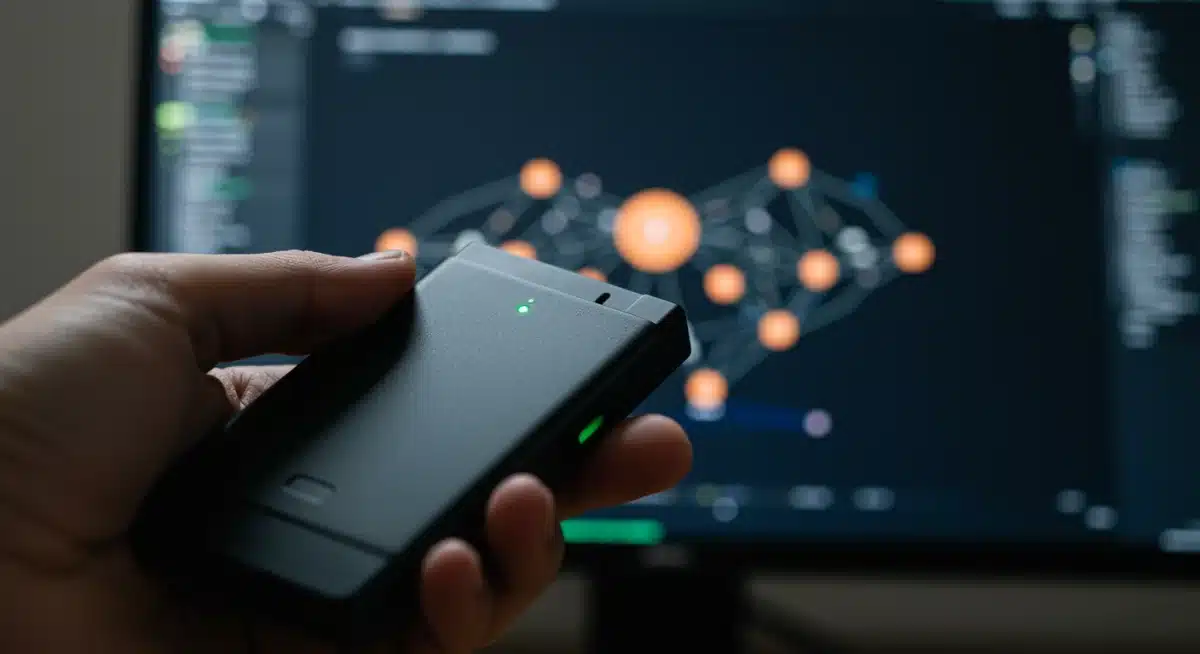
Even with a hardware wallet, proper handling and storage of your recovery phrase (seed phrase) are critical. This phrase is the ultimate key to your funds, and if compromised, your assets are at risk. Never store it digitally, and consider physically securing it in a fireproof safe or safety deposit box.
Software wallets: balancing convenience and security
Software wallets, including desktop, mobile, and web wallets, offer greater convenience for daily transactions but come with increased risk due to their online connectivity. While not as secure as hardware wallets, they can be made more robust with proper security practices.
Regularly updating your software wallet to the latest version is crucial, as updates often include security patches for newly discovered vulnerabilities. Always download wallets from official sources to avoid malicious imposters. Additionally, consider using a dedicated device for your crypto transactions to minimize exposure to other potential threats.
The key takeaway is that no single wallet solution is perfect for everyone. A diversified approach, combining different wallet types based on your usage patterns, often provides the best balance of security and convenience for crypto security measures.
Implementing strong authentication protocols
Your passwords and authentication methods are the first line of defense against unauthorized access to your crypto accounts. Weak or reused passwords are an open invitation for attackers. In Q1 2025, the standard for strong authentication will move beyond simple passwords to multi-factor solutions.
The human element remains the weakest link in many security chains. Even the most sophisticated technological defenses can be bypassed if users fall prey to social engineering or neglect basic password hygiene. Therefore, educating yourself on best practices for authentication is as important as the tools themselves.
Multi-factor authentication (MFA) is non-negotiable
MFA adds layers of security by requiring two or more verification factors to gain access. This could be something you know (password), something you have (phone, hardware token), or something you are (biometrics). For crypto exchanges and wallets, MFA is an absolute must.
- Authenticator apps: Time-based one-time password (TOTP) apps like Google Authenticator or Authy provide dynamic codes.
- Hardware security keys: Physical FIDO2/U2F keys offer a highly secure form of MFA, resistant to phishing.
- Biometric authentication: Fingerprint or facial recognition can add convenience and security, though they should ideally be used in conjunction with other factors.
Password management best practices
Creating strong, unique passwords for every crypto-related account is fundamental. A password manager can help generate and store these complex passwords securely, eliminating the need to remember them all. Avoid using easily guessable information or common phrases.
Never reuse passwords across different platforms, especially for your crypto accounts. If one service is compromised, a reused password makes all your other accounts vulnerable. Regularly changing your passwords, coupled with MFA, significantly reduces the risk of unauthorized access.
In conclusion, strong authentication is not merely an option but a critical component of any effective strategy for protecting your crypto assets. Embrace MFA and meticulous password management as foundational pillars of your digital security.
Securing your online environment and devices
Your personal devices and the networks you use are potential entry points for cybercriminals aiming to access your crypto. A compromised computer or an insecure Wi-Fi network can expose your private keys and transaction details. Proactive measures to secure your digital environment are essential.
Think of your digital environment as a fortress. Each device, each network connection, and each software application represents a potential vulnerability. Regular maintenance, updates, and careful usage are paramount to keeping this fortress secure against external threats.
Operating system and software hygiene
Keep your operating system, web browsers, and all software, especially those related to cryptocurrency (wallet apps, exchange interfaces), updated to their latest versions. Software updates often include critical security patches that address newly discovered vulnerabilities that attackers could exploit.
Regularly scan your devices for malware and viruses using reputable antivirus software. Be wary of downloading software from unofficial sources, as these often contain hidden malicious code. A clean and updated system forms a strong base for your crypto security.
Network security and VPN usage
Avoid conducting crypto transactions on public Wi-Fi networks, as these are often insecure and susceptible to eavesdropping. If you must use public Wi-Fi, always employ a Virtual Private Network (VPN) to encrypt your internet traffic, making it much harder for attackers to intercept your data.
- Secure home network: Use a strong, unique password for your router and enable WPA3 encryption if available.
- Firewall protection: Ensure your firewall is active on all devices to control incoming and outgoing network traffic.
- Dedicated device: Consider using a separate, clean device solely for crypto transactions, isolated from general browsing and email.
By maintaining a secure online environment and diligently protecting your devices, you significantly reduce the attack surface available to cybercriminals. This proactive approach is a vital part of protecting your crypto assets.
Vigilance against emerging threats and scams
The cryptocurrency space is dynamic, and so are the tactics of those looking to exploit it. Staying informed about emerging threats, new scam methodologies, and the latest security vulnerabilities is an ongoing responsibility for every crypto holder. Education is your best defense against unknown dangers.
Cybercriminals are constantly innovating, developing new ways to bypass security measures. What was safe yesterday might not be safe tomorrow. Therefore, a mindset of continuous learning and adaptation is crucial to staying one step ahead of potential threats.
Recognizing advanced scam tactics
Beyond traditional phishing, look out for sophisticated rug pulls, exit scams, and fake ICOs (Initial Coin Offerings) or NFT (Non-Fungible Token) projects. These often involve elaborate marketing campaigns and seemingly legitimate websites to lure unsuspecting investors. Always conduct thorough due diligence before investing in any new project.
Be skeptical of unsolicited offers, especially those promising abnormally high returns with little risk. If something seems too good to be true, it almost certainly is. Verify information from multiple independent sources and cross-reference details.
Staying informed through reputable sources
Follow established cybersecurity news outlets, reputable crypto journalists, and official announcements from trusted exchanges and projects. Participate in legitimate crypto communities, but always be wary of advice from unverified sources, especially those promoting specific investments or security tools.
- Official announcements: Subscribe to newsletters from your preferred exchanges and wallets.
- Security blogs: Follow leading cybersecurity firms and blockchain security researchers.
- Community forums: Engage with well-moderated forums to discuss emerging threats and best practices.
Remaining vigilant and continuously educating yourself on the latest threats is not just a recommendation; it’s a necessity in the fast-paced world of cryptocurrency. Your active participation in understanding these risks is paramount for protecting your crypto assets.
Backup strategies and contingency planning
Even with the most robust security measures, unforeseen events can occur. Hardware failures, natural disasters, or even human error can lead to data loss. Having a comprehensive backup strategy and a well-thought-out contingency plan is crucial for recovering your crypto assets in any scenario.
A resilient security posture isn’t just about preventing attacks; it’s also about preparedness for recovery. Losing access to your funds, whether through theft or accidental loss, can be devastating. A solid backup plan acts as your safety net, ensuring that your investments are not permanently lost.
Securely backing up recovery phrases
Your wallet’s recovery phrase (seed phrase) is the master key to your funds. Back it up immediately after setting up a new wallet. Write it down on paper and store multiple copies in secure, geographically separate locations. Avoid digital backups, as these are vulnerable to cyber threats.
Consider using metal plates or specially designed waterproof/fireproof materials to engrave or stamp your recovery phrase. This offers enhanced durability against physical damage. Test your recovery phrase periodically with a small amount of crypto to ensure it works correctly, but do so very carefully and in a secure environment.
Contingency plans for unforeseen events
Develop a clear plan for what to do if you lose access to your primary wallet, your hardware wallet is damaged, or an exchange is compromised. This might involve having a secondary wallet set up, understanding the recovery procedures for your chosen platforms, and informing a trusted individual of your plans (without sharing private keys).
- Multi-signature wallets: For institutional or high-net-worth individuals, consider multi-signature wallets that require multiple approvals for transactions.
- Legal arrangements: For significant holdings, consider estate planning to ensure your beneficiaries can access your crypto in the event of your incapacitation or death.
- Emergency contacts: Have a list of trusted contacts and emergency procedures readily available, but never share sensitive access details.
By meticulously planning for potential failures and establishing robust backup protocols, you add another critical layer of protection for protecting your crypto assets, ensuring peace of mind even in unpredictable circumstances.
The human element: education and best practices
Ultimately, the strongest security systems can be undermined by human error. Education and adherence to best practices are perhaps the most vital components of a comprehensive crypto security strategy. Understanding the risks and knowing how to respond are empowering tools against cyber threats.
No amount of technological protection can fully compensate for a lack of awareness or poor personal security habits. Investing in your own knowledge and discipline is arguably the most effective investment you can make in securing your crypto assets.
Continuous learning and awareness
Stay updated on the latest cybersecurity news, particularly as it pertains to cryptocurrency. New vulnerabilities, attack methods, and scam techniques emerge constantly. Subscribing to reputable security newsletters and following industry experts can keep you informed.
Participate in security-focused discussions within trusted crypto communities. Learning from the experiences and insights of others can provide valuable perspectives and help you identify potential risks before they impact you.
Adhering to security protocols consistently
Consistency is key. It’s not enough to set up strong passwords and MFA once; you must adhere to these practices every time you interact with your crypto. Avoid shortcuts or moments of complacency that could expose your assets.
- Verify all links: Always double-check URLs for exact matches before entering credentials.
- Never share private keys: Your private keys are yours alone; no legitimate service will ever ask for them.
- Use unique emails: Consider using a dedicated email address for crypto-related accounts, secured with strong MFA.
- Regular security audits: Periodically review your security setup, wallet balances, and transaction history for any anomalies.
By fostering a culture of continuous learning and unwavering adherence to security best practices, you build the most resilient defense for protecting your crypto assets against the diverse and evolving threats of Q1 2025 and beyond.
| Key Security Measure | Brief Description |
|---|---|
| Hardware Wallets | Offline storage for private keys, immune to online attacks. Essential for significant holdings. |
| Multi-Factor Authentication (MFA) | Adds layers of verification beyond passwords, significantly reducing unauthorized access risk. |
| Secure Backups | Physical, offline copies of recovery phrases stored securely and redundantly. |
| Vigilance & Education | Continuous learning about new threats, scams, and best practices to stay ahead of attackers. |
Frequently asked questions about crypto security
The most secure method is using a hardware wallet, which stores your private keys offline. This ‘cold storage’ significantly reduces the risk of online theft from malware or phishing attacks, making it ideal for substantial crypto holdings.
Always verify URLs, use strong MFA, and be skeptical of unsolicited communications. Never click suspicious links or share private information. Legitimate crypto services will not ask for your private keys or seed phrase directly.
Yes, MFA is absolutely essential. It adds a crucial layer of security by requiring more than just a password, such as a code from an app or a physical key. This makes it significantly harder for unauthorized users to access your accounts.
Immediately change your password, disable any compromised MFA methods, and notify the exchange’s support team. Monitor your account for unauthorized transactions and consider reporting the incident to relevant authorities if funds are stolen.
Software updates are critically important. They often include security patches that fix vulnerabilities exploited by attackers. Keeping your operating system, browsers, and wallet software updated ensures you have the latest protections against emerging threats.
Conclusion
As we navigate the complexities of Q1 2025, the imperative to implement robust crypto security measures for protecting your crypto assets has never been clearer. The digital asset landscape, while offering unprecedented financial opportunities, is also a prime target for sophisticated cyber threats. By adopting a multi-layered security approach—encompassing secure wallet choices like hardware wallets, mandatory multi-factor authentication, vigilance against evolving scams, a secure online environment, and diligent backup strategies—you can significantly mitigate risks. Ultimately, continuous education and consistent adherence to best practices form the bedrock of a resilient defense. Staying informed, proactive, and disciplined in your security habits will be your strongest shield against the ever-present dangers in the cryptocurrency world, ensuring the safety and longevity of your valuable digital investments.