Navigating 2026 Federal Regulations: A 5-Step Compliance Guide for US Tech Startups

The landscape of federal regulations is in constant flux, and for US tech startups, the looming 2026 mandates present both formidable challenges and unique opportunities. As the digital economy evolves, so too do the expectations and requirements placed upon the companies that drive innovation. Ignoring these changes is not an option; proactive and strategic engagement is paramount for survival and growth. This comprehensive guide is designed to empower your startup with a robust 5-step compliance framework, ensuring you are not just prepared, but poised to thrive amidst the new regulatory environment.
The year 2026 may seem distant, but for the agile and often resource-constrained world of tech startups, this timeframe is a critical window for preparation. New federal regulations are anticipated to address a range of crucial areas, including enhanced data privacy standards, stringent cybersecurity protocols, ethical guidelines for artificial intelligence (AI), and potentially new frameworks for market competition and consumer protection. Understanding these potential shifts and integrating compliance into your core business strategy is what will differentiate leading startups from those that falter.
Our focus here is on actionable insights and a practical roadmap. We delve into the intricacies of what these regulations might entail and, more importantly, how your startup can systematically prepare. From initial assessment to continuous adaptation, each step of our framework is designed to build resilience, mitigate risks, and foster a culture of compliance within your organization. Let’s embark on this journey to demystify the 2026 federal regulations and equip your tech startup for enduring success.
Understanding the Evolving Regulatory Landscape for US Tech Startups
Before diving into the compliance steps, it’s essential to grasp the broader context of why these new 2026 federal regulations are emerging. The rapid advancement of technology, particularly in areas like AI, big data, and cloud computing, has outpaced existing legal frameworks. Governments are increasingly concerned about consumer protection, national security, market fairness, and the ethical implications of powerful new technologies. This concern translates into a push for more comprehensive and stringent regulations.
Key Areas of Anticipated Regulatory Focus
- Data Privacy and Security: Building on existing frameworks like GDPR and CCPA, new federal regulations are expected to standardize data handling practices across states, potentially introducing stricter consent requirements, data portability rights, and more severe penalties for breaches. For tech startup compliance, this means a renewed focus on data governance, encryption, and secure data lifecycle management.
- Cybersecurity Standards: With an increasing number of sophisticated cyber threats, the government is likely to mandate enhanced cybersecurity measures, especially for companies handling critical infrastructure data or sensitive personal information. This could include requirements for regular security audits, incident response plans, and specific technology implementations.
- Artificial Intelligence (AI) Ethics and Governance: The rise of AI has sparked debates around bias, transparency, accountability, and autonomous decision-making. New regulations might seek to establish guidelines for AI development and deployment, requiring companies to conduct impact assessments, explain AI decisions, and ensure fairness in algorithms.
- Market Competition and Antitrust: Federal agencies are scrutinizing the market power of large tech companies, and future regulations might aim to prevent anti-competitive practices, foster innovation among smaller players, and ensure fair access to platforms and services. While primarily targeting giants, startups could be affected by changes in partnership rules or platform access.
- Consumer Protection: Beyond data privacy, regulations might address issues like dark patterns in user interfaces, deceptive advertising, and unfair terms of service, ensuring consumers have clearer choices and stronger protections in the digital realm.
For US tech startups, these regulations are not merely checkboxes; they are foundational elements that will influence product development, operational processes, and market strategies. Early adoption of best practices, even before mandates are finalized, can provide a significant competitive advantage and build trust with users and investors.
Step 1: Comprehensive Regulatory Assessment and Gap Analysis
The first and most critical step in preparing for the 2026 federal regulations is to conduct a thorough assessment of your current operations against the anticipated requirements. This isn’t just about identifying what you’re doing wrong; it’s about understanding your current state and pinpointing where adjustments are needed.
Understanding the Scope of New Regulations
Begin by researching the evolving regulatory landscape. While specific legislation might still be in draft form, governmental bodies, industry associations, and legal experts are already discussing potential areas of focus. Subscribing to regulatory updates, participating in industry forums, and consulting legal counsel specializing in tech law are invaluable resources. Categorize potential regulations by their impact on your business: data handling, product design, marketing, HR, and partnerships.
Internal Audit of Current Practices
Once you have a clear picture of the potential regulatory scope, conduct an internal audit. This involves:
- Data Inventory and Mapping: Document all data your startup collects, processes, stores, and shares. Understand its sensitivity, origin, and where it resides. This is fundamental for any data privacy or security regulation.
- System and Process Review: Evaluate your existing IT infrastructure, software development lifecycle (SDLC), cybersecurity measures, and operational procedures. Are they robust? Are there any known vulnerabilities?
- Contractual Obligations: Review all third-party vendor agreements and customer contracts. Do they contain clauses related to data protection, security, or compliance that might need updating?
- Employee Training and Awareness: Assess current employee understanding of data privacy, security protocols, and ethical guidelines. Human error is a significant compliance risk.
Performing a Gap Analysis
The gap analysis is where you compare your current state (from the internal audit) with the desired future state (compliance with 2026 federal regulations). Identify specific areas where your startup falls short. For instance, if new regulations mandate explicit consent for all data processing, and your current system relies on implied consent, that’s a significant gap. Prioritize these gaps based on their potential risk level and the effort required to address them. This forms the foundation for your compliance roadmap.
Step 2: Develop a Strategic Compliance Roadmap
With a clear understanding of your gaps, the next step is to formulate a detailed, actionable compliance roadmap. This isn’t a one-time project; it’s an ongoing commitment that requires careful planning and resource allocation. A well-defined roadmap provides clarity, accountability, and a structured approach to achieving tech startup compliance.
Assigning Ownership and Responsibilities
Compliance cannot be the sole responsibility of one person. Establish a cross-functional compliance team or designate specific individuals responsible for different aspects of the roadmap. This might include representatives from legal, product, engineering, security, and operations. For smaller startups, a single founder might oversee this, but they should leverage external expertise where necessary. Clearly define roles, responsibilities, and reporting structures.
Setting Clear Objectives and Timelines
Break down the compliance effort into manageable objectives. Each objective should be SMART: Specific, Measurable, Achievable, Relevant, and Time-bound. For example, an objective might be: "By Q3 2025, implement a new consent management platform that captures explicit user consent for all personal data processing, in anticipation of new federal data privacy mandates." Establish realistic timelines for each objective, working backward from the 2026 deadline.
Budgeting and Resource Allocation
Compliance often requires investment – in new technologies, legal counsel, training, and personnel. Allocate a dedicated budget for compliance initiatives. Consider the costs of:
- Legal consultation and external audits.
- Software solutions (e.g., data privacy management platforms, cybersecurity tools).
- Employee training programs.
- Potential hiring of compliance or security specialists.
Underestimating the financial and human resources needed for compliance is a common pitfall for startups. Proactive budgeting can prevent last-minute scrambles and ensure sustained effort.
Step 3: Implement Necessary Changes and Controls
This is where the rubber meets the road. Based on your roadmap, you’ll begin to implement the technical, operational, and organizational changes required to meet the 2026 federal regulations. This phase requires meticulous execution and careful documentation.
Technical Implementations
- Data Privacy by Design: Integrate privacy considerations into the earliest stages of product development. This means building systems that minimize data collection, pseudonymize data where possible, and provide users with granular control over their information.
- Enhanced Cybersecurity Frameworks: Implement robust cybersecurity measures, including multi-factor authentication, regular penetration testing, intrusion detection systems, and secure coding practices. Consider adopting frameworks like NIST Cybersecurity Framework or ISO 27001, even if not explicitly mandated, as they provide a strong foundation.
- AI Governance Tools: If your startup uses AI, explore tools that help monitor for bias, ensure transparency in decision-making, and document AI model development and deployment.
Operational and Process Adjustments
- Update Policies and Procedures: Revise your privacy policies, terms of service, data retention policies, and incident response plans to reflect the new regulatory requirements. Ensure these documents are clear, accessible, and legally sound.
- Vendor Management: Re-evaluate your third-party vendor relationships. Ensure that all vendors handling your data or providing critical services are also compliant with the new regulations. Update contracts with appropriate data processing agreements and security clauses.
- Incident Response Planning: Develop or refine a comprehensive incident response plan for data breaches or security incidents. This plan should clearly outline steps for detection, containment, eradication, recovery, and post-incident analysis, including notification procedures to regulators and affected individuals.
Organizational and Cultural Shifts
- Employee Training and Awareness: Conduct mandatory training for all employees on the new policies, procedures, and the importance of compliance. Training should be role-specific and ongoing, reinforcing a culture of security and privacy.
- Internal Communication: Foster an open channel for employees to report potential compliance issues or ask questions. Ensure that leadership consistently communicates the importance of compliance.
Step 4: Continuous Monitoring and Auditing
Compliance is not a one-time event; it’s an ongoing process. Once changes are implemented, continuous monitoring and regular auditing are essential to ensure sustained adherence to the 2026 federal regulations and to identify any new risks or evolving requirements.
Establishing Monitoring Mechanisms
Implement systems and processes for continuous monitoring. This includes:
- Automated Security Monitoring: Utilize security information and event management (SIEM) systems to monitor network activity, system logs, and user behavior for anomalies or potential threats.
- Data Privacy Dashboards: Create dashboards that track key privacy metrics, such as consent rates, data access requests, and data retention compliance.
- Regulatory Intelligence: Stay abreast of any further developments in the 2026 federal regulations. Regulatory bodies often issue guidance, FAQs, or amendments that require adjustments to your compliance program.
Regular Internal and External Audits
Schedule regular internal audits to assess the effectiveness of your compliance controls. These audits should be conducted by an independent team or individual within your organization. Additionally, consider engaging external auditors, especially for critical areas like cybersecurity and data privacy. External audits provide an objective assessment, identify blind spots, and offer credibility to your compliance efforts. They can also help prepare you for potential regulatory inspections.
Performance Metrics and Reporting
Define key performance indicators (KPIs) for compliance. These might include the number of security incidents, time to resolve vulnerabilities, completion rates for compliance training, or the percentage of data processing activities with explicit consent. Regularly report these metrics to leadership and the compliance team to track progress and identify areas needing improvement. Transparent reporting fosters accountability and informed decision-making.

Step 5: Adapt and Evolve Your Compliance Strategy
The regulatory landscape is dynamic, especially in the fast-paced tech industry. Your compliance strategy for the 2026 federal regulations must be agile and capable of adapting to new threats, technological advancements, and legislative changes. This final step emphasizes continuous improvement and strategic foresight.
Learning from Incidents and Near Misses
Every security incident, data breach, or even a "near miss" is a valuable learning opportunity. Conduct thorough post-incident reviews to understand root causes, evaluate the effectiveness of your controls, and identify areas for improvement. Update your policies, procedures, and training based on these lessons learned. This iterative process strengthens your overall security and compliance posture.
Staying Ahead of Technological and Regulatory Changes
The tech industry moves at an incredible pace. New technologies (e.g., quantum computing, advanced AI models) can introduce unforeseen compliance challenges. Similarly, federal regulations will continue to evolve beyond 2026. Maintain a forward-looking perspective:
- Industry Engagement: Participate in industry associations, conferences, and working groups to stay informed about emerging best practices and anticipated regulatory shifts.
- Expert Consultation: Maintain relationships with legal and compliance experts who specialize in tech regulations. Their insights can be crucial for navigating complex or ambiguous requirements.
- Technology Scouting: Evaluate new security and compliance technologies that can enhance your capabilities and streamline your efforts.
Fostering a Culture of Compliance and Ethics
Ultimately, the most resilient compliance strategy is built on a strong foundation of organizational culture. When every employee understands their role in protecting data, ensuring ethical AI, and upholding regulatory standards, compliance becomes an intrinsic part of the business. Promote ethical decision-making, encourage transparency, and reward proactive compliance efforts. This cultural embedding is critical for long-term tech startup compliance.
Conclusion: Proactive Compliance for Sustainable Growth
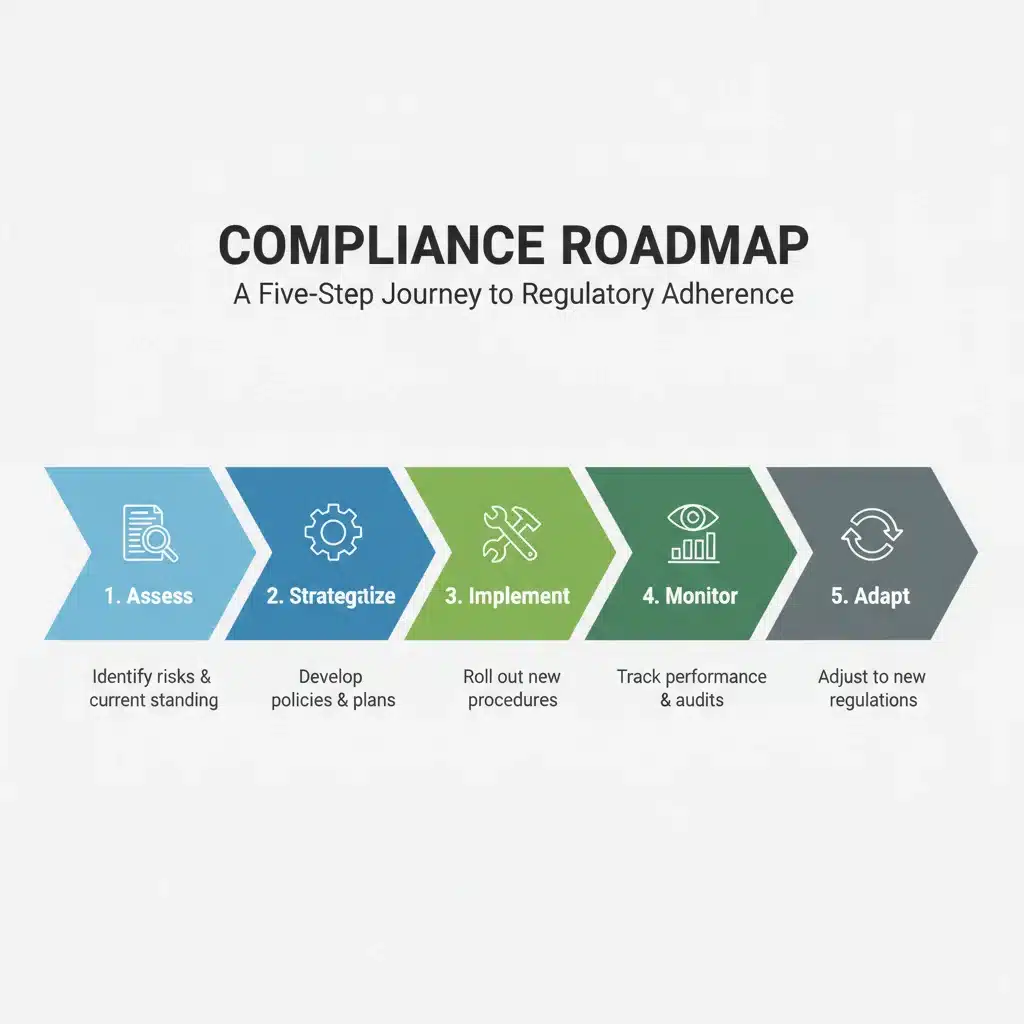
The 2026 federal regulations represent a significant inflection point for US tech startups. While the prospect of new mandates can seem daunting, viewing them as an opportunity for strategic enhancement rather than merely a burden is key. By embracing a proactive, 5-step compliance guide – assessing, strategizing, implementing, monitoring, and adapting – your startup can not only meet these requirements but also build a stronger, more trustworthy, and more resilient business.
Investing in compliance now is an investment in your startup’s future. It mitigates legal and financial risks, enhances your reputation with customers and partners, and positions you as a responsible innovator in the digital economy. Don’t wait for the deadlines to hit; start building your robust compliance framework today to ensure your US tech startup is well-prepared for the challenges and triumphs that lie ahead.
The journey to full compliance is continuous, but with this guide, your startup has a clear path forward. Embrace the challenge, foster a culture of vigilance, and secure your place as a leader in the next era of technological innovation.