Federal Lending Regulations: Small Business Q1 Insights

The new federal lending regulations are poised to significantly reshape the landscape for small businesses, requiring proactive understanding and strategic adaptation in Q1.
The financial world is always evolving, and for small businesses, staying informed about regulatory changes is not just good practice—it’s essential for survival and growth. As we step into the first quarter of 2025, a wave of new 2025 federal lending regulations is set to redefine how small businesses access capital and manage their finances. Understanding these shifts now can provide a crucial competitive edge.
Understanding the Regulatory Landscape Shift in 2025
The year 2025 brings forth a series of significant federal regulatory changes designed to enhance transparency, promote equitable access to capital, and mitigate risks within the small business lending ecosystem. These changes are not minor adjustments but rather comprehensive overhauls that demand careful attention from both lenders and borrowers. The overarching goal is to create a more stable and predictable environment, though the immediate impact may require a period of adjustment for many.
Several key legislative initiatives and agency directives are converging to shape this new landscape. These initiatives often stem from ongoing dialogues about economic stability, consumer protection, and the need to support small business growth responsibly. The focus remains on ensuring that lending practices are fair, transparent, and ultimately beneficial for the broader economy. Businesses that prepare early will be better positioned to navigate these new requirements.
Key Legislative Drivers
- Dodd-Frank Act Amendments: Specific sections of the Dodd-Frank Act are seeing renewed focus, particularly those pertaining to data collection and reporting for small business loans, aiming for greater market visibility.
- Community Reinvestment Act (CRA) Updates: Modernized CRA rules are expanding their reach to include a broader range of lending activities and institutions, pushing for more inclusive credit access in underserved communities.
- Small Business Administration (SBA) Program Revisions: The SBA is updating its flagship loan programs, such as 7(a) and 504, with new eligibility criteria and streamlined application processes to better serve a diverse array of small enterprises.
These regulatory shifts underscore a commitment to fostering a more robust and equitable financial system for small businesses. While the initial adaptation phase might present challenges, the long-term benefits of increased stability and fairness are expected to outweigh them. Proactive engagement with these changes is paramount for any small business looking to secure funding in 2025 and beyond.
Impact on Loan Eligibility and Application Processes
The new 2025 federal lending regulations are set to significantly alter how small businesses qualify for loans and the documentation required during the application process. Lenders will be operating under stricter guidelines, which could lead to more rigorous scrutiny of financial health and business plans. This means that small businesses need to be even more meticulous in preparing their applications, ensuring all financial records are impeccable and projections are realistic.
One of the most notable changes is the increased emphasis on data transparency. Lenders will likely be required to collect and report more detailed information about loan applicants, including demographic data and specific business characteristics. This aims to combat discriminatory lending practices and ensure that capital is distributed more equitably across different business segments. For applicants, this translates to providing more comprehensive data upfront, which might extend the preparation time for loan applications.
New Documentation Requirements
- Enhanced Financial Disclosures: Expect requests for more granular financial statements, including detailed cash flow analyses and future revenue projections, extending beyond typical historical data.
- Business Plan Updates: Business plans may need to include more robust market analyses, competitive landscapes, and detailed strategies for navigating economic uncertainties, reflecting a heightened risk assessment by lenders.
- Environmental, Social, and Governance (ESG) Considerations: Some lenders, particularly those with a focus on sustainable finance, might begin incorporating ESG factors into their lending criteria, requiring businesses to demonstrate their commitment to responsible practices.
The changes in eligibility and application processes are designed to create a more secure and fair lending environment. While this might initially seem like an added burden, it ultimately pushes small businesses to strengthen their internal financial management and strategic planning. Businesses that embrace these requirements early will find themselves better prepared for securing vital funding.
New Data Collection and Reporting Mandates
A cornerstone of the 2025 federal lending regulations is the introduction of expanded data collection and reporting mandates. These mandates are primarily driven by a desire for greater transparency in the lending market, allowing regulators to better understand lending patterns, identify potential disparities, and ensure compliance with fair lending laws. For small businesses, this means that the information they provide during loan applications will be subject to more detailed scrutiny and aggregation by lenders, which will then be reported to federal agencies.
The scope of data collection is broadening to include not just financial metrics but also demographic information about business owners and the geographical location of the business. This granular data will help regulatory bodies analyze access to credit for various segments of the small business community, particularly those historically underserved. While this provides valuable insights for policymakers, it also places a new administrative burden on lenders, who will need to adapt their systems and processes to comply.
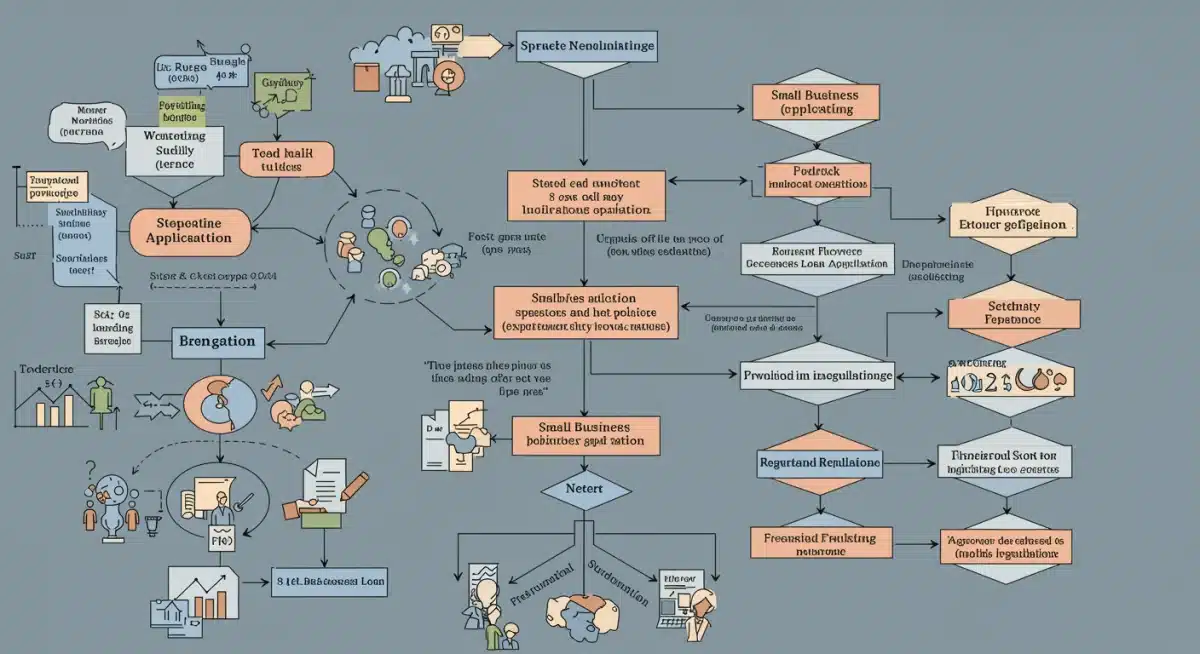

Implications for Small Businesses
Small businesses should anticipate that lenders will ask for more specific details about their ownership structure, including the race, ethnicity, and gender of principal owners. This information, while sensitive, is critical for regulators to monitor fair lending practices. Businesses should be prepared to provide this data accurately and understand that it is part of a larger effort to ensure equitable access to capital. Having this information readily available can streamline the application process.
Beyond demographic data, expect increased reporting on loan purpose, interest rates, and loan terms. This will allow regulatory bodies to track the types of loans being issued and the conditions under which they are offered. For small businesses, this means that their loan details will contribute to a larger dataset used to evaluate the health and fairness of the small business lending market. Understanding these reporting requirements helps businesses appreciate the context of the questions asked during the application process.
Compliance Challenges and Strategies for Small Businesses
Navigating the new 2025 federal lending regulations will undoubtedly present compliance challenges for many small businesses. The increased complexity of applications, stricter eligibility criteria, and enhanced data reporting requirements demand a proactive and organized approach. Businesses that fail to adapt risk delays in securing funding or even outright rejection of loan applications. Therefore, developing robust compliance strategies is not just advisable—it’s imperative.
One of the primary challenges will be ensuring that all internal financial records and operational procedures align with the new regulatory expectations. This might involve updating accounting software, implementing new data management protocols, or even engaging third-party compliance experts. The goal is to minimize friction during the application process by presenting a clear, compliant, and comprehensive financial picture to prospective lenders.
Strategic Approaches to Compliance
- Internal Audit and Readiness: Conduct a thorough internal audit of current financial records, operational policies, and data management practices to identify gaps that need addressing before applying for new loans.
- Professional Consultation: Engage with financial advisors, legal counsel, or compliance specialists who are well-versed in the new 2025 federal lending regulations to ensure your business meets all requirements.
- Technology Adoption: Invest in or upgrade financial management software that can help automate data collection, reporting, and ensure accuracy, reducing the manual burden of compliance.
- Employee Training: Educate key personnel involved in financial management and loan applications about the new regulations and their implications, fostering a culture of compliance within the organization.
By implementing these strategies, small businesses can transform potential compliance hurdles into opportunities for strengthening their internal operations and demonstrating their reliability to lenders. Proactive compliance planning is key to successfully securing financing under the new regulatory framework.
Opportunities for Growth Amidst New Regulations
While the new 2025 federal lending regulations may initially appear daunting, they also present unique opportunities for small businesses to refine their operations, enhance their financial transparency, and ultimately position themselves for stronger growth. The increased emphasis on data and accountability can lead to better internal financial management, which is a benefit regardless of lending needs. Businesses that embrace these changes can gain a competitive edge by demonstrating a higher level of trustworthiness and operational efficiency.
Moreover, the regulations aimed at promoting equitable access to capital could open new doors for businesses in underserved communities or those owned by historically marginalized groups. Lenders, under pressure to meet new CRA requirements, may actively seek out diverse borrowers, creating new avenues for funding that might have been less accessible in the past. This shift could lead to a more inclusive lending environment, fostering economic development in areas that need it most.
Leveraging the New Environment
- Improved Financial Health: The demand for more detailed financial reporting encourages businesses to maintain impeccable records and a clearer understanding of their financial standing, leading to better decision-making.
- Enhanced Credibility: Businesses that proactively comply with the new regulations demonstrate a high level of professionalism and reliability, making them more attractive to lenders and investors alike.
- Access to New Lending Programs: As lenders adapt to the regulations, new loan products and programs specifically designed to meet the updated requirements may emerge, potentially offering more favorable terms for compliant businesses.
These opportunities highlight that the regulatory changes are not solely about restrictions but also about creating a more robust and fair financial ecosystem. Small businesses that view these regulations through a strategic lens can leverage them to their advantage, securing not just funding but also a stronger, more sustainable future.
Preparing for Q1 2025: Actionable Steps for Small Businesses
As the first quarter of 2025 approaches, small businesses must take concrete, actionable steps to prepare for the new federal lending regulations. Procrastination in this area could lead to significant financial disadvantages and missed opportunities. The key is to start early, gather all necessary information, and consult with experts to ensure a smooth transition into the new regulatory environment. A well-prepared business will be better positioned to secure the capital it needs to thrive.
Begin by reviewing your current financial practices and identifying any areas that might fall short of the anticipated new requirements. This includes everything from how you track revenue and expenses to how you manage your credit profile. Establishing a clear roadmap for compliance will be crucial, breaking down the often complex regulatory mandates into manageable tasks. Remember, preparation is not a one-time event but an ongoing process that requires continuous monitoring and adjustment.
Immediate Actions to Take
- Review and Update Financial Records: Ensure all financial statements, tax returns, and business records are up-to-date, accurate, and easily accessible. Consider investing in professional accounting services if current internal systems are insufficient.
- Assess Your Creditworthiness: Obtain and review your business credit report. Address any discrepancies and work to improve your credit score, as this will remain a critical factor in loan approvals.
- Consult with Financial Experts: Schedule meetings with your bank, financial advisor, or a small business consultant to understand how the new regulations specifically impact your business and industry.
- Develop a Robust Business Plan: Update your business plan to reflect current market conditions, growth strategies, and how you will navigate the new regulatory landscape. A well-articulated plan demonstrates foresight and stability.
By taking these proactive steps, small businesses can mitigate potential risks and position themselves to successfully navigate the new 2025 federal lending regulations. Early preparation will be the hallmark of businesses that thrive in this evolving financial climate, ensuring continued access to vital capital for growth.
| Key Aspect | Brief Description |
|---|---|
| Regulatory Changes | New federal guidelines aim for greater transparency and equitable access in small business lending. |
| Loan Eligibility | Stricter criteria and more rigorous scrutiny of financial health and business plans. |
| Data Reporting | Expanded collection of financial and demographic data for transparency and fair lending. |
| Preparation Steps | Review records, assess creditworthiness, consult experts, and update business plans. |
Frequently Asked Questions About 2025 Federal Lending Regulations
The primary goals are to enhance transparency in small business lending, ensure equitable access to capital for all businesses, and mitigate systemic risks within the financial system. These regulations aim to foster a more stable and fair lending environment across the United States.
Loan applications will likely require more detailed financial disclosures, updated business plans, and potentially demographic information from business owners. Lenders will conduct more rigorous scrutiny, emphasizing preparedness and accuracy in all submitted documentation to ensure compliance.
Lenders will be mandated to collect and report more granular data, including detailed financial metrics, demographic data of business owners (race, ethnicity, gender), and specific loan terms. This information helps regulators monitor for fairness and identify lending disparities.
Yes, significant benefits include improved financial health through better record-keeping, enhanced credibility with lenders, and potentially increased access to capital for historically underserved segments. The regulations aim to create a more inclusive and stable lending ecosystem.
Small businesses should review and update financial records, assess their creditworthiness, consult with financial experts, and develop robust, updated business plans. Proactive preparation is crucial for navigating the new regulatory landscape effectively and securing financing.
Conclusion
The advent of the new 2025 federal lending regulations marks a pivotal moment for small businesses across the United States. While the changes demand diligent preparation and adaptation, they also promise a more transparent, equitable, and stable lending environment. By understanding the shifts in eligibility, data collection, and compliance requirements, small businesses can not only navigate these new waters successfully but also leverage them as opportunities for growth and strengthened financial health. Proactive engagement and strategic planning in Q1 2025 will be key to securing capital and fostering long-term success in this evolving landscape.